Hair Extensions Health: 8 Unseen Rules for Remarkable Natural Hair Protection
The desire for longer, fuller, or more voluminous hair often leads individuals to explore the transformative world of extensions. While extensions can dramatically enhance your appearance, prioritizing Hair Extensions Health is paramount to ensure your natural hair remains vibrant and undamaged. Many focus solely on the aesthetic outcome, overlooking the critical steps required to maintain the integrity of their own strands beneath the added length.
This comprehensive guide delves into the essential, often unseen, rules for safeguarding your natural hair while enjoying the beauty of extensions. We will explore the potential risks, highlight the healthiest application methods, and provide actionable advice on daily care and maintenance. Understanding these principles is not just about avoiding damage; it’s about fostering a sustainable relationship with your hair, ensuring both your extensions and your natural locks thrive.
Mariana Plaster’s Evolution Hair Method stands as a testament to this philosophy, emphasizing damage-free techniques that prioritize your natural hair’s well-being. By adhering to expert guidance and adopting a proactive approach, you can achieve stunning results without compromising your long-term Hair Extensions Health.
Key Takeaways for Hair Extensions Health
- Understand the critical importance of selecting damage-free extension methods to protect your natural hair.
- Learn how professional installation and removal are non-negotiable for maintaining optimal Hair Extensions Health.
- Discover the daily care routines and specific products that prevent common issues like breakage and scalp irritation.
- Recognize the warning signs of unhealthy extension application to ensure timely intervention and safeguard your hair.
Understanding Hair Extensions Health: The Foundation of Natural Hair Protection
Embarking on the journey of hair extensions requires a foundational understanding of how they interact with your natural hair. The goal is always enhancement, not compromise. True Hair Extensions Health is achieved when the added hair complements your natural strands without causing undue stress or damage. This delicate balance is often overlooked, leading to common pitfalls.
Many individuals are drawn to extensions for instant length or volume, but without proper knowledge, they risk compromising their natural hair’s integrity. The choice of method, the skill of the stylist, and diligent aftercare all play pivotal roles in ensuring a positive experience. Prioritizing the well-being of your natural hair should always be the guiding principle in your extension journey.
What are the Potential Health Risks of Wearing Hair Extensions?
While hair extensions offer numerous aesthetic benefits, it is crucial to be aware of the potential health risks associated with improper application or maintenance. Neglecting these aspects can severely impact Hair Extensions Health and lead to irreversible damage to your natural hair and scalp.
One of the most common risks is traction alopecia, a form of hair loss caused by constant pulling on the hair follicles. This can result from extensions that are too heavy, too tight, or improperly installed. Scalp irritation, redness, and itching are also frequent complaints, often stemming from poor hygiene, allergic reactions to bonding agents, or excessive tension.
Fungal or bacterial infections can occur if the scalp and extension bonds are not thoroughly cleaned and dried, creating a moist environment conducive to microbial growth. Breakage of natural hair at the attachment points is another significant concern, especially with methods that involve heat, glue, or tight braiding. Understanding these risks is the first step toward ensuring optimal Hair Extensions Health.
Do Hair Extensions Cause Hair Loss or Traction Alopecia?
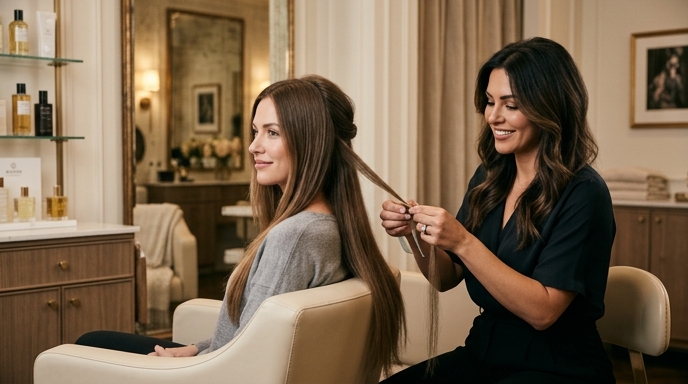
The question of whether hair extensions cause hair loss or traction alopecia is a critical one for anyone considering or wearing them. The answer is nuanced: while extensions themselves are not inherently damaging, improper application and maintenance are primary culprits. When extensions are too heavy for the natural hair, or when they are installed with excessive tension, they can exert constant pull on the hair follicles.
This continuous stress can lead to inflammation and eventual damage to the follicles, resulting in traction alopecia—a gradual form of hair loss that manifests as thinning or bald patches, particularly around the hairline and temples. The severity depends on the duration and intensity of the tension. Early signs often include tenderness, itching, or small bumps around the attachment sites.
Preventing traction alopecia is a cornerstone of maintaining good Hair Extensions Health. This involves choosing lightweight extensions, ensuring they are not installed too tightly, and allowing your natural hair adequate rest between applications. Regular professional check-ups can also help identify and address any signs of stress before they escalate into significant hair loss.
Can Hair Extensions Cause Allergic Reactions or Scalp Irritation?
Yes, hair extensions can absolutely cause allergic reactions and scalp irritation, impacting overall Hair Extensions Health. These reactions can stem from various sources, including the materials used in the extensions themselves, the bonding agents, or even the tools and products used during installation and maintenance.
Some individuals may be sensitive to synthetic hair fibers, certain metals in beads, or the adhesives/tapes used for attachment. Symptoms can range from mild itching, redness, and flakiness to more severe reactions like swelling, blistering, or contact dermatitis. Scalp irritation can also arise from poor ventilation around the bonds, leading to moisture buildup and bacterial growth.
It is essential to communicate any known allergies or sensitivities to your stylist before installation. A patch test can sometimes be performed to check for reactions to bonding agents. Choosing hypoallergenic materials and ensuring proper cleaning and drying techniques are vital steps in minimizing the risk of irritation and preserving your scalp’s health while wearing extensions.
8 Unseen Rules for Optimal Hair Extensions Health
Achieving truly remarkable hair extensions means going beyond just the initial look. It requires a deep commitment to the underlying Hair Extensions Health of your natural hair. These 8 rules, often overlooked, form the bedrock of a successful and damage-free extension experience. By integrating these principles into your routine, you ensure longevity for your extensions and vitality for your natural locks.
Rule 1: Choose the Healthiest Hair Extension Type for Your Natural Hair
The foundation of excellent Hair Extensions Health begins with selecting the right method for your hair type and lifestyle. Not all extensions are created equal, and what works for one person may be detrimental to another. For instance, individuals with fine or fragile hair should avoid heavy, tension-based methods like traditional braids or overly dense wefts, which can cause breakage and traction alopecia.
Methods like hand-tied wefts, micro-links, or tape-ins, when applied correctly, are often considered gentler as they distribute weight more evenly and minimize stress on individual strands. The Evolution Hair Method, for example, is specifically designed to be lightweight and non-damaging, prioritizing the natural hair’s integrity. Always consult with an experienced stylist who can assess your hair’s density, texture, and overall health to recommend the most suitable and least invasive option.
Rule 2: Prioritize Professional Installation and Removal for Hair Extensions Health
This rule is non-negotiable for maintaining optimal Hair Extensions Health. DIY installation or removal can lead to catastrophic damage, including severe breakage, knotting, and even permanent hair loss. Professional stylists are trained in precise sectioning, proper tension application, and secure attachment techniques that prevent undue stress on your natural hair.
During removal, they use specialized tools and solutions to gently detach the extensions without pulling, tearing, or cutting your natural strands. Attempting to remove extensions yourself often results in ripping out large chunks of your hair, leaving it weak and damaged. Investing in professional services for both installation and removal is an investment in the long-term health and beauty of your hair.
Rule 3: Master Gentle Maintenance and Daily Care for Hair Extensions Health
Daily care is crucial for prolonging the life of your extensions and, more importantly, for preserving Hair Extensions Health. This involves a routine of gentle brushing, washing, and styling. Always use a soft-bristle brush or an extension-specific brush, starting from the ends and working your way up to the roots, holding the base of the extensions to prevent pulling.
Never brush wet hair vigorously, as it is most vulnerable to breakage. When washing, use a gentle, sulfate-free shampoo and conditioner, focusing on cleansing the scalp and allowing the suds to run down the extensions without harsh scrubbing. Always rinse thoroughly to prevent product buildup, which can lead to irritation and matting. Proper drying, especially around the bonds, is also essential to prevent mold or mildew.
Rule 4: Maintain Scalp Health with Hair Extensions
A healthy scalp is the bedrock of healthy hair, and this remains true even with extensions. Neglecting scalp care can lead to itching, flakiness, and even infections, all of which compromise Hair Extensions Health. Regular, gentle cleansing is vital to remove product buildup, dead skin cells, and excess oil.
Use a clarifying shampoo designed for extensions once a week or as needed, ensuring you rinse thoroughly. Avoid applying heavy conditioners or oils directly to the scalp or extension bonds, as this can cause slippage or buildup. If you experience persistent itching or irritation, consult your stylist or a dermatologist promptly. A clean, balanced scalp environment promotes natural hair growth and prevents discomfort.
Rule 5: Recognize Signs of Unhealthy Hair Extension Application
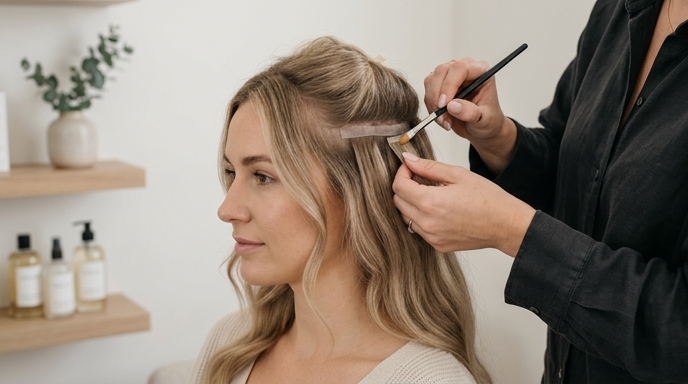
Being able to identify the warning signs of an unhealthy extension application is a vital skill for protecting your Hair Extensions Health. Pay close attention to how your extensions feel immediately after installation and in the days that follow. Persistent pain, tightness, or a feeling of heaviness are red flags that the extensions might be too tight or too heavy for your natural hair.
Other signs include visible redness, bumps, or tenderness on the scalp, especially around the attachment points. Excessive shedding of your natural hair, matting near the roots, or bonds that feel uncomfortable or rigid are also indicators of potential problems. If you notice any of these symptoms, contact your stylist immediately. Early intervention can prevent minor issues from escalating into significant damage.
Rule 6: Know When to Take a Break for Hair Extensions Health
While damage-free methods like the Evolution Hair Method allow for continuous wear with regular maintenance, traditional extension types often necessitate breaks to ensure optimal Hair Extensions Health. Constant tension, even from well-applied extensions, can eventually weaken hair follicles over time. Taking a break allows your natural hair and scalp to rest, breathe, and recover.
The duration and frequency of these breaks depend on your hair type, the extension method used, and your stylist’s recommendation. Typically, a 2-4 week break every 2-3 months is advised for methods that put more stress on the hair. During this period, focus on deep conditioning treatments, scalp massages, and gentle care to rejuvenate your natural hair before your next installation. This proactive approach helps prevent long-term damage and promotes stronger, healthier hair.
Rule 7: Select the Right Products for Hair Extensions Health
The products you use on your hair extensions are just as important as the extensions themselves when it comes to maintaining Hair Extensions Health. Avoid shampoos and conditioners containing sulfates, parabens, or heavy silicones, as these can strip moisture, break down bonding agents, or cause buildup.
Opt for professional-grade, extension-friendly products that are moisturizing, lightweight, and specifically formulated for treated hair. Leave-in conditioners, heat protectants, and gentle styling serums are also beneficial. Always apply conditioners from the mid-shaft down, avoiding direct application to the bonds. Your stylist can provide personalized recommendations for products that will best support your specific extension type and natural hair.
Rule 8: Avoid Chemical Treatments with Hair Extensions
Chemical treatments such as coloring, perming, or relaxing your natural hair while extensions are installed can significantly compromise Hair Extensions Health. These processes can weaken the bonds, alter the texture of the extension hair (especially if it’s human hair that has already been processed), and lead to unpredictable results.
The chemicals can also cause irritation to the scalp, which is already under some stress from the extensions. It is always best to have any chemical treatments performed on your natural hair before extension installation. If you need to color your roots during the wear period, consult your stylist for safe, localized application techniques that avoid the extension bonds. Prioritizing the health of both your natural hair and extensions means avoiding unnecessary chemical stress.
Ready to experience the best in hair extensions health and natural hair protection? Discover the damage-free Evolution Hair Method at Mariana Plaster Hair Extensions and transform your look with confidence today.
Addressing Common Concerns in Hair Extensions Health
Even with the best practices, questions and concerns about Hair Extensions Health can arise. It’s important to know how to address these issues proactively to prevent them from escalating into more significant problems. Understanding common complaints and their solutions empowers you to maintain a healthy and comfortable extension experience.
Why Do My Hair Extensions Feel Itchy or Heavy?
Itchiness and a feeling of heaviness are common complaints that can significantly impact your comfort and the overall Hair Extensions Health. Itchiness often stems from product buildup, inadequate rinsing, or scalp irritation due to tight bonds. If products accumulate around the bonds, they can create an environment for bacteria or yeast, leading to itching and flakiness. Ensure you are thoroughly rinsing your scalp and extension bonds after every wash.
A feeling of heaviness usually indicates that the extensions are either too thick for your natural hair’s density or that the weight is not evenly distributed. This can put excessive strain on your hair follicles, increasing the risk of traction alopecia. If you experience persistent itchiness or heaviness, it’s crucial to consult your stylist. They can assess the situation, recommend clarifying treatments, or adjust the extensions to alleviate discomfort and protect your natural hair.
The Long-Term Effects of Hair Extensions Health on Scalp Wellness
The long-term effects of wearing hair extensions on scalp wellness are a significant aspect of Hair Extensions Health. With proper care, professional installation, and damage-free methods, many individuals can wear extensions continuously for years without adverse effects. The Evolution Hair Method, for instance, is designed to support long-term wear by minimizing stress on the scalp and hair.
However, neglecting proper maintenance, choosing unsuitable methods, or ignoring warning signs can lead to chronic issues. Prolonged tension can result in permanent traction alopecia, where hair follicles are irreversibly damaged, leading to bald spots. Poor hygiene can cause persistent scalp infections or inflammation. Regular breaks, diligent cleaning, and choosing a reputable stylist are key to ensuring that your long-term extension use contributes to, rather than detracts from, your overall scalp and hair health. For more detailed insights into hair care, you can explore resources from the American Academy of Dermatology Association.
Investing in Your Hair Extensions Health: Finding Expert Care
Choosing to invest in hair extensions is a decision that extends beyond mere aesthetics; it’s an investment in your confidence and, crucially, in your Hair Extensions Health. The longevity and beauty of your extensions, as well as the well-being of your natural hair, depend heavily on the expertise of your stylist and the quality of the service you receive. Prioritizing expert care ensures that your journey with extensions is both rewarding and damage-free.
Where to Find Reputable Salons Prioritizing Hair Extensions Health
Finding a reputable salon that genuinely prioritizes Hair Extensions Health is perhaps the most critical step in your extension journey. Look for stylists who are certified in damage-free methods, such as the Evolution Hair Method, and who have extensive experience with various hair types and textures. A truly expert stylist will conduct a thorough consultation, assessing your natural hair’s condition and discussing your lifestyle to recommend the most appropriate and safest extension type.
Check client testimonials and before-and-after photos, paying close attention to reviews that mention natural hair protection and scalp health. Salons like Mariana Plaster Hair Extensions are renowned for their commitment to preserving natural hair integrity, offering personalized care and education on proper maintenance. Don’t hesitate to ask about their training, hygiene practices, and how they address potential issues. A transparent and knowledgeable stylist is your best ally.
Understanding the Cost of Healthy Hair Extension Services
The cost of healthy hair extension installation services can vary significantly, reflecting the quality of the hair, the complexity of the method, the stylist’s expertise, and the salon’s location. While it might be tempting to opt for cheaper alternatives, remember that investing in quality is investing in your Hair Extensions Health. Low-cost options often come with hidden expenses in the form of damaged natural hair and shorter extension lifespan.
Healthy hair extension services, especially those utilizing advanced techniques like the Evolution Hair Method, typically involve premium human hair, specialized tools, and the highly skilled labor of certified professionals. These factors contribute to a higher initial investment but ultimately provide superior, longer-lasting results with minimal risk to your natural hair. During your consultation, a reputable stylist will provide a transparent breakdown of costs, ensuring you understand the value behind your investment in beautiful, healthy extensions.
Your Invitation to Lasting Hair Extensions Health
Embracing hair extensions can be a truly transformative experience, offering the length, volume, and style you’ve always dreamed of. However, the true secret to long-lasting beauty lies in a steadfast commitment to Hair Extensions Health. By understanding the unseen rules—from choosing the right method and prioritizing professional care to diligent daily maintenance and recognizing warning signs—you empower yourself to enjoy extensions without compromising your natural hair.
The journey to remarkable hair is a partnership between you and your stylist. By seeking out experts who prioritize damage-free techniques and educate you on proper care, you ensure that your investment yields not just stunning aesthetics, but also sustained natural hair vitality. Let these 8 rules guide you towards an extension experience that is both beautiful and profoundly healthy.