
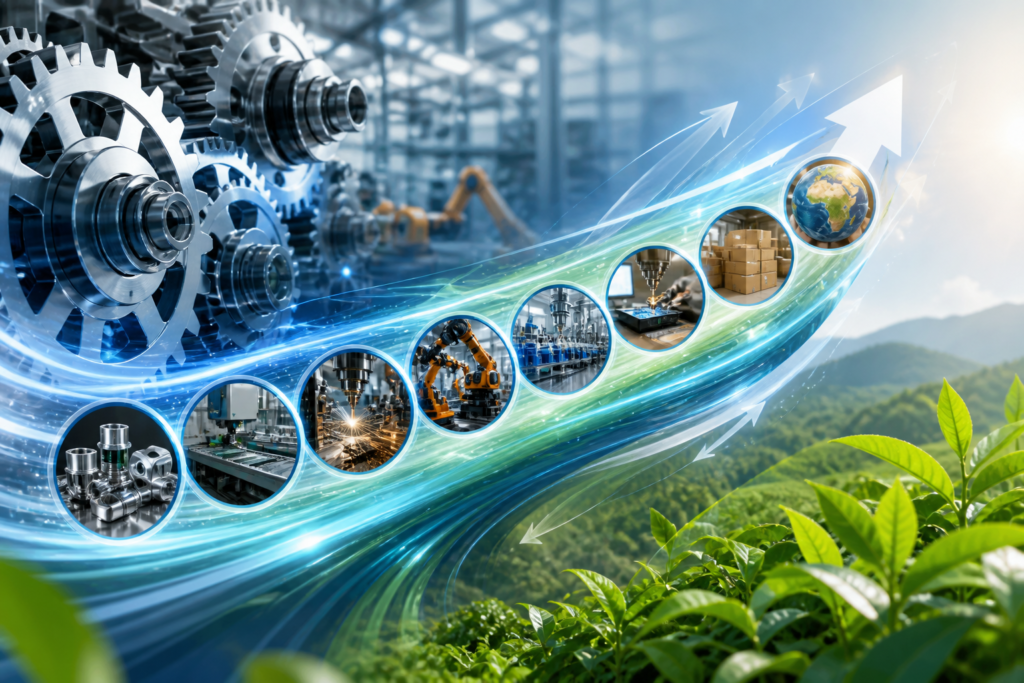
Evolution Production Process: 8 Ultimate Quality Steps
In today’s rapidly evolving industrial landscape, achieving peak operational efficiency and delivering flawless quality is not merely an aspiration—it is a necessity. Businesses worldwide are constantly seeking methodologies that allow them to adapt, innovate, and excel. This pursuit leads many to embrace the Evolution production process, a dynamic framework designed to foster continuous improvement and ensure every product or service meets the highest standards. It’s about building resilience and excellence into the very fabric of your operations.
This comprehensive guide will delve into the core principles and practical steps that define this transformative approach. We will explore how an Evolution production process can revolutionize your workflows, minimize waste, and significantly enhance customer satisfaction. By understanding and implementing these strategies, you can position your organization at the forefront of innovation and quality, ensuring sustainable success in a competitive market.
Key Takeaways for the Evolution Production Process
- Understand how the Evolution production process emphasizes continuous adaptation and improvement, moving beyond static manufacturing models.
- Discover the 8 ultimate steps that guide businesses toward achieving consistently flawless quality and operational excellence.
- Learn about the critical role of data, technology, and a customer-centric approach in driving a successful Evolution production process.
- Identify common challenges in implementation and explore practical solutions to ensure a smooth transition and sustained growth.
What Defines an Evolution Production Process and Its Core Principles?
An Evolution production process is far more than a set of rigid instructions; it is a philosophy. It represents a dynamic, iterative approach to manufacturing and service delivery that prioritizes continuous improvement, adaptability, and an unwavering focus on quality. Unlike traditional linear models, this process embraces change as an opportunity, constantly seeking to refine and enhance every stage of production. Its core principles are foundational to its success.
At its heart, this process champions flexibility. It recognizes that market demands, technological capabilities, and customer expectations are in constant flux. Therefore, a successful evolutionary approach must be agile, capable of rapid adjustments without compromising output or quality. This inherent adaptability allows businesses to pivot quickly, staying ahead of competitors and meeting emerging needs effectively.
Core Principles Driving the Evolution Production Process
The guiding tenets of an effective Evolution production process include several critical elements. First, it is deeply customer-centric, ensuring that every decision and refinement is geared towards delivering maximum value and satisfaction to the end-user. This focus on the customer drives innovation and quality standards throughout the entire cycle.
Second, lean principles are fundamental. Waste reduction, in all its forms—overproduction, waiting, unnecessary transport, over-processing, excess inventory, motion, and defects—is systematically targeted. By minimizing non-value-added activities, this process optimizes resource utilization and boosts overall efficiency. This commitment to lean operations is a cornerstone of achieving flawless quality.
Third, rapid prototyping and iterative development are key. Instead of lengthy, rigid development cycles, the process encourages quick experimentation, feedback loops, and incremental improvements. This allows for faster learning and more responsive product development, ensuring that the final output is robust and refined. Data-driven decision-making is the fourth crucial principle, leveraging analytics to inform every adjustment and optimization.
Why the Evolution Production Process is Crucial for Modern Businesses
Embracing an Evolution production process is not just a competitive advantage; it is a strategic imperative for modern businesses. In an era defined by rapid technological advancements, shifting consumer behaviors, and global supply chain complexities, static production models quickly become obsolete. This evolutionary approach provides the resilience and agility needed to thrive amidst constant change.
Businesses that adopt this methodology gain significant benefits, including enhanced market responsiveness. They can quickly adapt their offerings to new trends or unexpected disruptions, maintaining relevance and customer loyalty. This proactive stance minimizes risks associated with market volatility and ensures sustained growth.
Optimizing Efficiency with the Evolution Production Process
A primary benefit of the Evolution production process is its profound impact on operational efficiency and waste reduction. By continuously analyzing workflows and identifying bottlenecks, organizations can streamline operations, leading to faster production cycles and reduced operational costs. This systematic approach to improvement ensures that resources are allocated optimally.
For instance, implementing advanced analytics within this framework allows for predictive maintenance, reducing costly downtime and extending equipment lifespan. This proactive management of assets contributes significantly to overall efficiency. Furthermore, by fostering a culture of continuous feedback, teams can quickly identify and rectify inefficiencies, preventing minor issues from escalating into major problems.
Leading Companies and Industry Application
Many leading companies across diverse sectors, from automotive to technology and even specialized services like advanced hair extensions, are leveraging evolutionary production methods. These pioneers understand that continuous adaptation is key to maintaining market leadership. The principles of an Evolution production process are effectively applied in industries requiring high precision, rapid innovation, and stringent quality control.
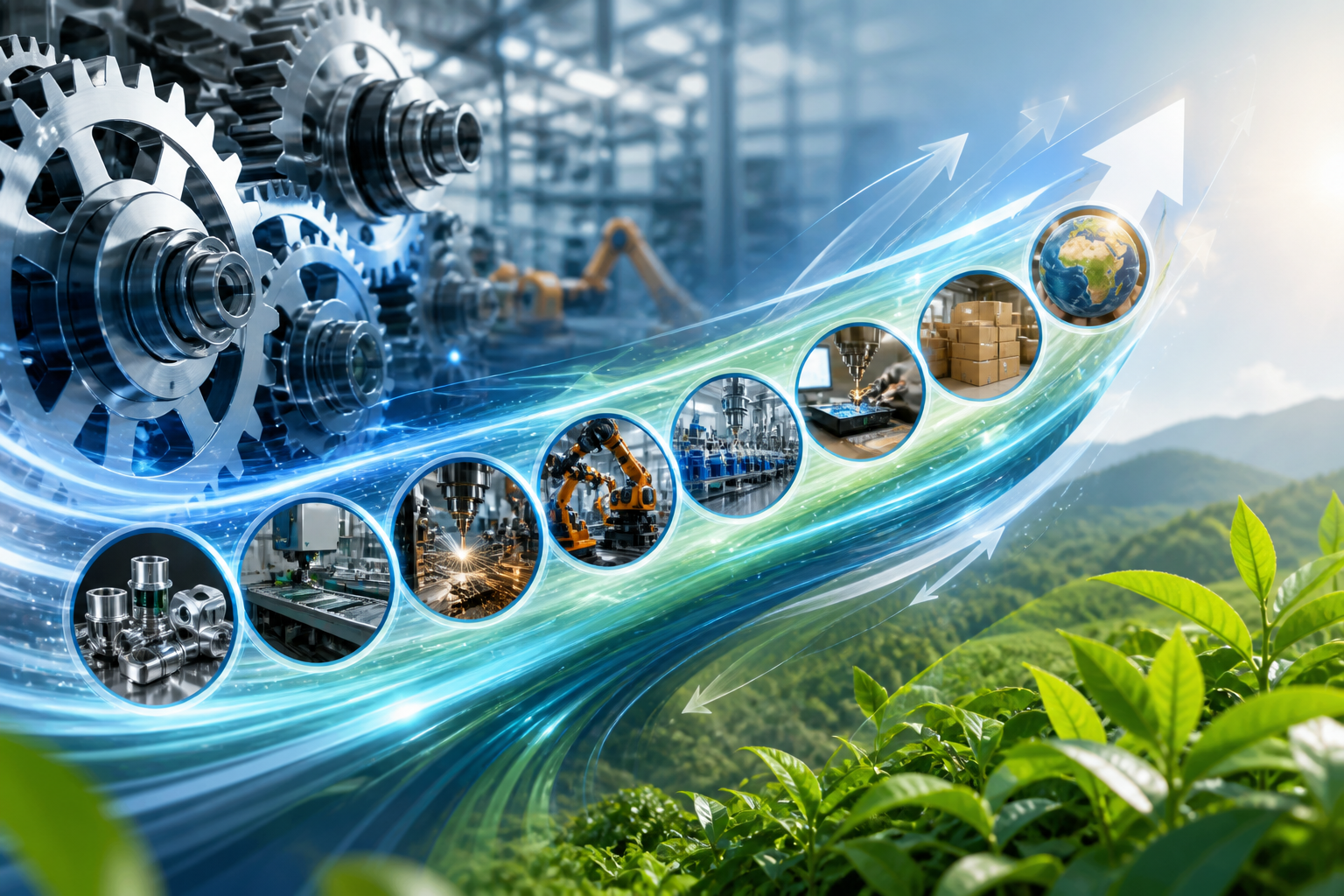
Essential Technologies for the Evolution Production Process
The successful implementation of an Evolution production process relies heavily on leveraging cutting-edge technologies and smart tools. These innovations provide the infrastructure for data collection, automation, and real-time decision-making, transforming traditional operations into highly responsive and intelligent systems. Without these technological enablers, the full potential of an evolutionary approach cannot be realized.
Automation is paramount, ranging from robotics on the factory floor to intelligent process automation (IPA) for administrative tasks. The Internet of Things (IoT) plays a crucial role by connecting devices and machinery, enabling constant data flow and monitoring. This connectivity provides unprecedented visibility into every aspect of the production cycle, allowing for immediate adjustments and optimizations.
Software Platforms for the Evolution Production Process
Modern software platforms are indispensable for managing a sophisticated Evolution production process. Data analytics platforms are essential for processing the vast amounts of information generated by IoT devices and production lines. These platforms transform raw data into actionable insights, guiding strategic decisions and identifying areas for improvement. Artificial intelligence (AI) and machine learning (ML) further enhance these capabilities, offering predictive analytics for maintenance, quality control, and demand forecasting.
Supply chain management (SCM) software integrates various stages of the supply chain, from sourcing raw materials to final delivery, ensuring seamless coordination and transparency. Collaborative project management tools facilitate agile development and cross-functional team communication, which are vital for iterative refinement. These integrated systems create a cohesive environment where every component of the production process is optimized for performance. For more insights into advanced manufacturing, explore resources like the National Institute of Standards and Technology (NIST) manufacturing programs.
Ready to Experience the Evolution Production Process for Your Hair?
Mariana Plaster Hair Extensions applies an advanced, damage-free ‘Evolution’ method, ensuring flawless results and ultimate hair health. Discover how our meticulous process creates beautiful, lasting hair extensions tailored just for you.
8 Ultimate Steps to a Flawless Evolution Production Process
Achieving flawless quality through an Evolution production process requires a structured yet flexible approach. These 8 steps provide a roadmap for businesses aiming to transform their operations and consistently deliver superior products or services. Each step builds upon the last, creating a robust framework for continuous improvement and innovation.
Step 1: Comprehensive Current State Assessment
Begin by thoroughly evaluating your existing production processes. Identify strengths, weaknesses, bottlenecks, and areas of inefficiency. This involves mapping out current workflows, analyzing performance metrics, and gathering feedback from all stakeholders. A clear understanding of the current state is foundational for designing an improved evolution production process.
Step 2: Define Clear Objectives and KPIs
Establish specific, measurable, achievable, relevant, and time-bound (SMART) objectives for your evolutionary transformation. Define key performance indicators (KPIs) that will track progress towards these goals, such as defect rates, cycle times, cost per unit, and customer satisfaction scores. These metrics will guide your efforts and measure the success of your new approach.
Step 3: Design Agile Workflows and Processes
Rethink and redesign your production workflows to incorporate agility, flexibility, and lean principles. Break down complex processes into smaller, manageable iterations. Focus on creating modular systems that can be easily adapted or updated without disrupting the entire operation. This design phase is critical for a responsive and adaptable production system.
Step 4: Pilot Implementation and Iterative Testing
Implement the redesigned processes on a small scale or in a controlled environment. This pilot phase allows for real-world testing and validation without significant risk. Collect data, analyze results, and gather feedback from the pilot team. Use these insights to identify areas for refinement and improvement, embodying the iterative nature of an evolution production process.
Step 5: Integrate Advanced Technologies and Automation
Strategically introduce and integrate technologies such as IoT, AI, machine learning, and automation tools. These technologies should support your agile workflows, enhance data collection, and automate repetitive tasks. Ensure seamless integration with existing systems to maximize efficiency and data flow across the entire production cycle.
Step 6: Foster a Culture of Continuous Improvement
Cultivate an organizational culture that embraces learning, experimentation, and continuous improvement. Encourage employees at all levels to identify opportunities for enhancement and to contribute ideas. Provide training and resources to empower your workforce to actively participate in and drive the evolutionary process forward.
Step 7: Implement Robust Quality Control and Feedback Loops
Establish stringent quality control measures at every stage of production, not just at the end. Implement continuous feedback loops from customers, suppliers, and internal teams. This proactive approach allows for early detection of issues and rapid corrective actions, ensuring consistent quality throughout the evolution production process.
Step 8: Scale and Sustain the Evolutionary Process
Once pilot programs are successful and processes are refined, scale the new evolutionary approach across your entire organization. Continuously monitor performance, review KPIs, and adapt to new challenges and opportunities. The goal is to embed the principles of continuous evolution into the long-term operational strategy, ensuring sustained excellence.

Challenges and Solutions in Evolution Production Process Implementation
Implementing an Evolution production process is a transformative journey that often comes with its own set of challenges. Overcoming these hurdles is crucial for successful adoption and for realizing the full benefits of this advanced methodology. Understanding potential obstacles upfront allows businesses to develop proactive strategies for mitigation.
Common Challenges in Process Evolution
One of the most significant challenges is resistance to change within the organization. Employees may be accustomed to traditional methods and hesitant to adopt new workflows, fearing job displacement or increased complexity. Initial investment costs for new technologies, training, and process redesign can also be substantial, posing a barrier for some businesses. Integrating new, advanced systems with existing legacy infrastructure can also present complex technical difficulties, requiring careful planning and execution.
Solutions for a Smooth Evolution Production Process
To address resistance to change, strong leadership and clear communication are paramount. Leaders must articulate the vision, benefits, and necessity of the Evolution production process, involving employees in the planning and implementation phases. Comprehensive training programs are essential to equip staff with the new skills and knowledge required for the transformed processes.
Phased implementation, starting with smaller, manageable projects, can help mitigate initial investment risks and allow for learning before scaling. This incremental approach builds confidence and demonstrates tangible benefits early on. For integration challenges, investing in middleware or API-driven solutions can bridge the gap between new and legacy systems, ensuring data flow and interoperability. Seeking expert guidance from specialized consultants can also provide invaluable support, offering tailored strategies and best practices for a successful implementation.
Adopting the Evolutionary Approach for SMBs
Small to medium-sized businesses (SMBs) can effectively adopt an evolutionary production process by starting small and focusing on incremental improvements. Prioritize areas with the highest potential for impact, such as waste reduction or quality control. Invest in scalable, affordable digital tools and foster a culture of continuous learning. Gradually expanding the scope ensures a manageable and sustainable transformation.
Understanding Investment for Process Evolution
The typical investment required for setting up an evolutionary production process varies widely. It depends on the industry, the scale of operations, and the existing technological infrastructure. Investments can range from modest outlays for training and software licenses to significant capital expenditures for advanced automation and digital transformation initiatives. A detailed assessment of current capabilities and future goals will help determine the appropriate budget.
How the Evolution Production Process Impacts Product Quality and Customer Satisfaction
The ultimate goal of adopting an Evolution production process is to elevate product quality and, consequently, enhance customer satisfaction. This methodology inherently builds quality into every stage, moving beyond simple end-of-line inspections to a proactive, preventative approach. The impact is profound and far-reaching, creating a virtuous cycle of improvement.
By integrating continuous feedback loops and stringent quality checks throughout the production cycle, the process ensures that defects are identified and addressed early. This significantly reduces the likelihood of faulty products reaching the market. The constant refinement of methods, driven by data and iterative testing, leads to more consistent and higher-quality outputs. This commitment to excellence directly translates into products that reliably meet or exceed customer expectations.
The Customer-Centric Evolution Production Process
A customer-centric Evolution production process means that customer feedback is not just collected but actively integrated into design and production adjustments. This responsiveness ensures that products are continuously improved based on real-world user experiences and evolving preferences. When customers perceive that their needs are being met with superior, consistent quality, their satisfaction and loyalty naturally increase.
This enhanced satisfaction often leads to positive word-of-mouth, stronger brand reputation, and repeat business. In essence, an evolutionary approach transforms customer feedback into a powerful engine for innovation and quality assurance, creating a sustainable competitive advantage. It’s about delivering not just a product, but a consistently excellent experience.
For businesses looking to refine their operational strategies and achieve unparalleled quality, understanding the nuances of process improvement is key. You can find extensive resources on operational excellence and lean methodologies from institutions like The Lean Enterprise Institute, which offers valuable insights into continuous improvement practices that align perfectly with the principles of an evolutionary production process.
Conclusion: Embracing the Evolution Production Process for Future Success
The journey towards operational excellence and flawless quality is a continuous one, and the Evolution production process stands as the definitive guide for modern businesses. By embracing its core principles of adaptability, customer-centricity, lean operations, and data-driven iteration, organizations can transform their production capabilities. The 8 ultimate steps outlined provide a clear, actionable framework for implementing this powerful methodology, ensuring that every stage of production contributes to superior outcomes.
From leveraging advanced technologies to fostering a culture of continuous improvement, the benefits of this evolutionary approach are undeniable. It enhances efficiency, reduces waste, and most importantly, significantly elevates product quality and customer satisfaction. In a world that never stops changing, an evolution production process offers the resilience and innovation needed not just to compete, but to truly lead. It is an investment in a future defined by excellence and sustained growth.
To learn more about how advanced processes can benefit your business, visit our website.
Frequently Asked Questions About the Evolution Production Process
What defines an Evolution production process and its core principles?
An Evolution production process is a dynamic, iterative approach focused on continuous improvement, adaptability, and optimizing every stage of production. Its core principles include flexibility, customer-centricity, waste reduction (lean principles), rapid prototyping, and leveraging data for informed decision-making to achieve a flawless evolution production process.
How does the Evolution production process optimize efficiency and reduce waste?
The Evolution production process optimizes efficiency by constantly analyzing workflows, identifying bottlenecks, and implementing agile methodologies to streamline operations. It reduces waste by minimizing excess inventory, defects, and non-value-added activities through lean principles, ensuring every step in the evolution production process contributes to the final quality.
What are the key stages involved in implementing an Evolution production process?
Implementing an Evolution production process typically involves several key stages: assessment of current processes, design of new workflows, pilot implementation, data collection and analysis, iterative refinement, and scaling. Each stage is crucial for building a robust and adaptable evolution production process that delivers consistent quality.
Why is embracing an Evolution production process crucial for modern businesses?
Embracing an Evolution production process is crucial for modern businesses to remain competitive in fast-changing markets. It allows for quick adaptation to consumer demands, technological advancements, and supply chain disruptions, fostering innovation and resilience. This approach ensures a company’s evolution production process is always at the forefront of efficiency and quality.
What technologies and tools are essential for a successful Evolution production process?
Essential technologies and tools for a successful Evolution production process include automation (robotics, IoT), data analytics platforms, AI and machine learning for predictive maintenance, supply chain management software, and collaborative project management tools. These enable real-time monitoring and optimization across the entire evolution production process.
How can small to medium-sized businesses adopt an Evolution production process?
Small to medium-sized businesses can adopt an Evolution production process by starting small, focusing on incremental improvements in specific areas. They should invest in affordable digital tools, foster a culture of continuous learning, and seek expert guidance to tailor the principles to their scale, gradually transforming their evolution production process over time.
What are the common challenges and solutions in an Evolution production process implementation?
Common challenges in Evolution production process implementation include resistance to change, initial investment costs, and integrating new technologies with legacy systems. Solutions involve strong leadership, phased implementation, comprehensive training, clear communication, and demonstrating tangible benefits to overcome obstacles in the evolution production process.
How does an Evolution production process impact product quality and customer satisfaction?
An Evolution production process significantly enhances product quality by integrating continuous feedback loops, stringent quality checks at every stage, and constant refinement of methods. This leads to fewer defects and more consistent, higher-quality products, which directly translates to increased customer satisfaction with the output of the evolution production process.
What is the typical investment required for an Evolution production process setup?
The typical investment for an Evolution production process setup varies widely depending on the industry, scale of operations, and existing infrastructure. It can range from modest investments in training and software for process optimization to substantial capital for advanced automation and digital transformation, making each evolution production process unique.
Where can I find reputable consultants specializing in the Evolution production process?
Reputable consultants specializing in the Evolution production process can be found through industry associations, professional networks, and by seeking referrals from businesses that have successfully implemented similar transformations. Look for consultants with proven track records in lean manufacturing, agile methodologies, and digital transformation for an effective evolution production process guidance.