

Damage-Free Guarantee: 9 Ultimate Secrets Behind Our Dermatologist-Trusted Method
A damage-free guarantee is more than just a promise; it’s a commitment to preserving the integrity of your most valued assets. For those seeking premium services, especially in beauty and home care, the assurance of no harm is paramount. This comprehensive guide delves into the profound significance of a damage-free guarantee, exploring how leading companies uphold this pledge and why it has become a non-negotiable factor for discerning consumers.
We will uncover the meticulous processes behind such guarantees, from rigorous testing to expert application methods, ensuring peace of mind. Discover the industries where this commitment shines brightest and learn how to discern a truly reliable guarantee from mere marketing claims. This article will equip you with the knowledge to make informed decisions, ensuring your investments are protected and your expectations are not just met, but exceeded.
Key Takeaways
- Understand what a damage-free guarantee truly promises and its importance in consumer trust.
- Explore the rigorous methods companies employ to ensure a damage-free guarantee, particularly in specialized fields like hair extensions.
- Learn why a damage-free guarantee is a critical decision-making factor for savvy customers.
- Identify the specific industries and product categories where a damage-free guarantee is most frequently offered.
- Gain insights into the legal standing of a damage-free guarantee and how it differs from a standard warranty.
What Does a Damage-Free Guarantee Promise Consumers?
At its core, a damage-free guarantee is a powerful assurance from a company to its customers. It explicitly promises that a product or service, when used or applied as intended, will not cause any harm, deterioration, or adverse effects to the consumer’s existing property or well-being. This commitment goes beyond mere product functionality; it speaks to the preservation and protection of what the customer already possesses.
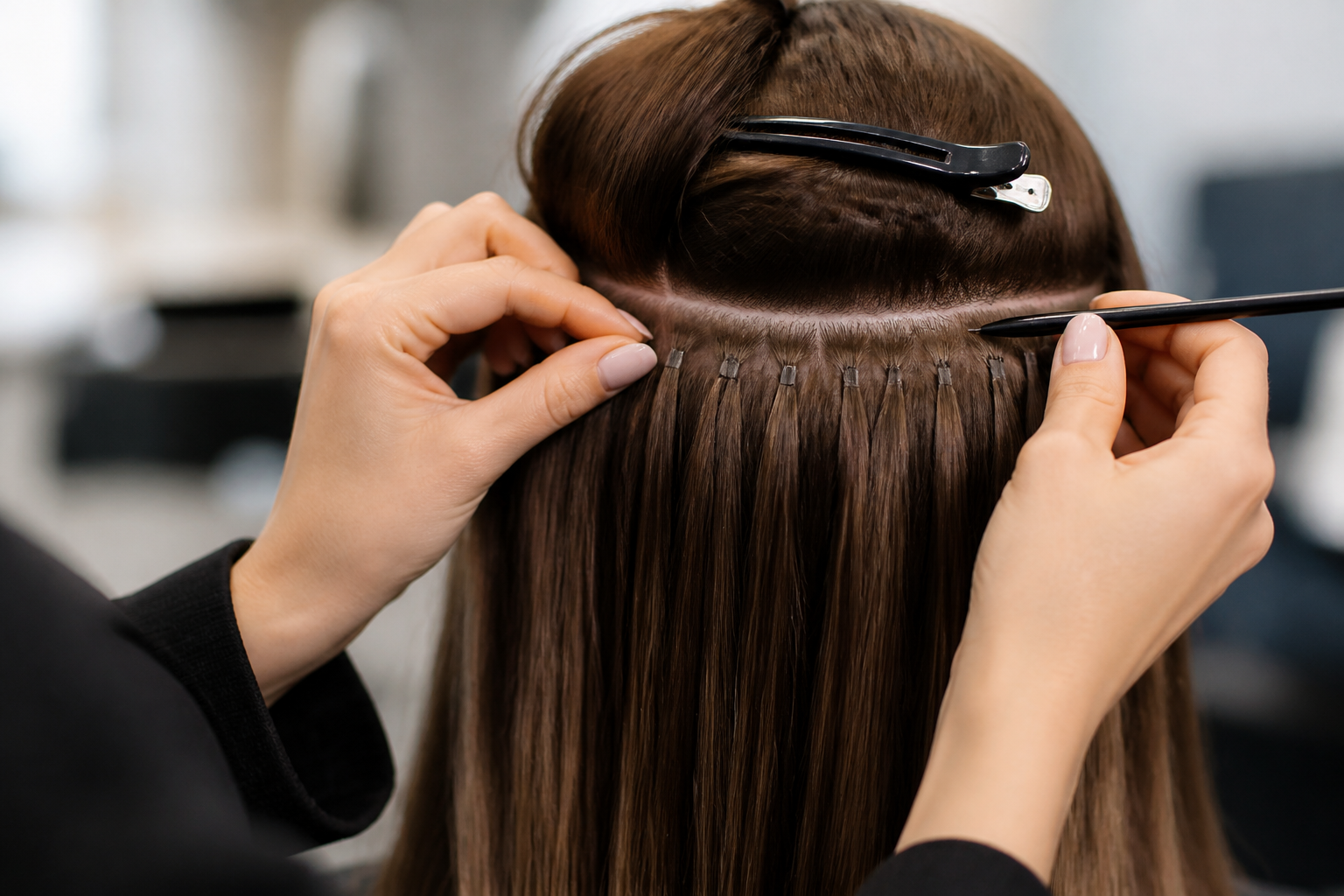
Consider the context of hair extensions, for example. For Mariana Plaster Hair Extensions, their dermatologist-trusted Evolution Hair Method comes with a clear damage-free guarantee. This means clients can expect their natural hair to remain healthy, strong, and completely unharmed by the extension application, wear, or removal process. It removes the common fear associated with extensions, which is often the potential for breakage or thinning of natural hair.
This type of guarantee is particularly valuable in services where the customer’s existing assets are directly involved. Whether it’s a moving company promising to transport your furniture without a scratch, or a screen protector brand assuring your phone’s display will remain pristine, the underlying promise is the same: peace of mind through protection.
The promise extends to various aspects, including physical integrity, functional performance, and even aesthetic preservation. It’s about ensuring that the customer’s original state is maintained or improved, never compromised. This builds a foundation of trust and reliability between the service provider and the consumer, fostering long-term relationships.
Ultimately, a damage-free guarantee is a declaration of confidence by the provider in their methods, materials, and expertise. It’s a pledge that they stand behind their service, ready to address any rare instance where this promise might not be met, ensuring customer satisfaction remains paramount.

How Companies Implement and Ensure a Damage-Free Guarantee
Implementing a robust damage-free guarantee requires a multi-faceted approach, encompassing meticulous processes, high-quality materials, and expert training. It’s not simply a statement but a reflection of a company’s operational excellence and commitment to customer welfare. Companies achieve this through several critical steps that are integrated into their core business model.
Firstly, rigorous product testing is fundamental. Before any product or service is offered, it undergoes extensive evaluation under various conditions to identify potential failure points or risks. This might involve simulating real-world usage scenarios, stress tests, and long-term durability assessments. For hair extensions, this means testing the quality of the hair, the strength of the bonds, and the gentleness of the application tools.
Secondly, adherence to strict application protocols is crucial. Many services that offer a damage-free guarantee rely heavily on standardized, precise methods. Training and certification programs ensure that all technicians or service providers follow these protocols without deviation. In the context of hair extensions, this includes specific sectioning techniques, precise placement, and controlled tension to prevent strain on natural hair follicles. Continuous education and skill refinement are often part of this commitment.
Thirdly, the use of superior quality materials plays a significant role. Inferior materials are often the root cause of damage. Companies committed to a damage-free guarantee invest in the best available components, whether it’s the adhesive for hair extensions, the packaging for delicate items, or the cleaning solutions for sensitive surfaces. This investment minimizes risks and enhances overall reliability.
Finally, continuous monitoring and feedback loops are essential. Companies actively solicit customer feedback, conduct regular quality checks, and adapt their processes based on new insights or technological advancements. This proactive approach ensures that the damage-free guarantee remains effective and relevant, consistently meeting the highest standards of protection and performance.
The Role of Expert Training in a Damage-Free Guarantee
Expert training is perhaps the most critical component, especially for services like hair extensions. A skilled professional understands the nuances of application, the science behind the products, and how to tailor the service to individual client needs. This expertise minimizes the risk of damage and ensures the guarantee can be confidently upheld. It’s about precision, knowledge, and an unwavering commitment to client safety and satisfaction.
Industries That Frequently Offer a Damage-Free Guarantee
While the concept of a damage-free guarantee is universally appealing, certain industries and product categories have embraced it more readily due to the inherent risks involved or the high value placed on consumer assets. These sectors recognize that offering such a guarantee is a powerful differentiator and a cornerstone of customer trust.
The beauty industry, particularly in specialized services like hair extensions, is a prime example. Clients invest significantly in their appearance and are often concerned about the health of their natural hair. Brands like Mariana Plaster Hair Extensions leverage a damage-free guarantee to reassure clients that their pursuit of beauty will not come at the cost of hair health. This commitment is vital for building a loyal client base.
Home services also frequently offer this assurance. Moving companies often guarantee the safe transport of your belongings, while professional cleaning services promise to clean without damaging surfaces or items. Pest control services might guarantee no harm to your property during treatment. These guarantees address common anxieties about property handling.
The technology sector is another area where a damage-free guarantee is prevalent. Screen protector manufacturers often promise that their product will prevent screen damage, sometimes even offering to replace the device if damage occurs while their protector is in place. Data recovery services might guarantee the integrity of your data during the recovery process. This is particularly important given the high cost of electronic devices and the value of digital information.
Automotive services, such as paintless dent removal or detailing, also frequently provide a damage-free guarantee. Customers want their vehicles restored to pristine condition without any new scratches or issues. This demonstrates a commitment to meticulous work and customer satisfaction. The presence of such a guarantee often signifies a company’s confidence in its specialized techniques and skilled technicians.
These industries understand that the fear of damage is a significant barrier to purchase. By offering a clear damage-free guarantee, they effectively mitigate this risk, empowering consumers to make decisions with greater confidence and peace of mind. This commitment fosters a reputation for reliability and quality, setting them apart in competitive markets.
Why a Damage-Free Guarantee is a Critical Factor for Consumers
In today’s marketplace, consumers are more informed and discerning than ever before. A damage-free guarantee has evolved from a mere bonus to a critical decision-making factor, profoundly influencing purchasing choices. Its importance stems from several key psychological and practical benefits it offers to customers.
Firstly, it alleviates fear and provides immense peace of mind. The apprehension of potential harm or loss to valuable possessions or personal well-being is a powerful deterrent. A guarantee explicitly stating
Experience the Damage-Free Guarantee with Mariana Plaster Hair Extensions
Our dermatologist-trusted Evolution Hair Method ensures stunning, healthy hair without compromise, preserving your natural hair’s integrity. Discover the difference true expertise makes.
Your Questions About Our Damage-Free Guarantee, Answered
What exactly does a “damage-free guarantee” promise to consumers?
A damage-free guarantee assures consumers that a product or service, such as hair extensions, will not cause any harm, deterioration, or adverse effects to their original property or well-being when used as intended. For Mariana Plaster Hair Extensions, it means your natural hair will remain healthy and undamaged by their Evolution Hair Method.
How do companies implement and ensure a damage-free guarantee?
Companies implement a damage-free guarantee through rigorous product testing, adherence to strict application protocols, and high-quality materials. For hair extensions, this involves specialized techniques, expert training, and continuous monitoring to prevent stress on natural hair.
Which specific industries or product categories frequently offer a damage-free guarantee?
Industries like beauty (hair extensions, skincare), home services (cleaning, moving), technology (screen protectors, data recovery), and automotive (dent removal) often offer a damage-free guarantee to build consumer trust.
Why is a damage-free guarantee considered an important factor for customers making a purchase decision?
A damage-free guarantee is crucial because it alleviates customer fears of potential harm or loss, providing peace of mind. It signifies a company’s confidence in its product or service quality and commitment to customer satisfaction.
Is a “damage-free guarantee” legally binding, and how does it differ from a standard warranty?
A damage-free guarantee can be legally binding if it’s clearly defined in a contract or terms of service. It differs from a standard warranty by focusing on preventing harm to existing property rather than just replacing or repairing the product itself.
What steps should I follow to claim a damage-free guarantee if my product arrives damaged?
To claim a damage-free guarantee, typically you should document the damage immediately (photos/videos), contact customer service within the specified timeframe, and provide proof of purchase. Follow their instructions for return or assessment.
What specific types of damage are typically covered or excluded by a damage-free guarantee?
Covered damage often includes issues arising from normal use or application as per instructions. Exclusions usually involve misuse, unauthorized alterations, accidental damage by the customer, or damage from external events.
How long is a typical damage-free guarantee valid for after purchase?
The validity of a damage-free guarantee varies widely by company and product, ranging from a few days to several months or even a lifetime. Always check the specific terms and conditions provided by the company.
Can I receive a full refund or a direct replacement when invoking a damage-free guarantee?
The remedy for invoking a damage-free guarantee depends on the company’s policy. Options may include a full refund, product replacement, repair, or compensation for the damaged property.
Who is responsible for assessing and validating damage claims under a damage-free guarantee?
The company offering the guarantee is responsible for assessing and validating damage claims, often through their customer service, technical support, or a dedicated claims department.
Are there any specific conditions, terms, or exclusions often associated with a damage-free guarantee?
Common conditions include proper product use, adherence to maintenance schedules, and proof of purchase. Exclusions often involve customer negligence, third-party damage, or issues outside the company’s control.
Where can I find reputable companies that consistently provide strong damage-free guarantees?
Reputable companies with strong damage-free guarantees can often be found through industry associations, trusted review platforms, consumer protection agencies, and direct recommendations.
How can I verify the legitimacy and scope of a company’s damage-free guarantee claim?
Verify legitimacy by checking company reviews, reading their terms and conditions thoroughly, contacting their customer service with questions, and looking for third-party endorsements or certifications.
What are the common misunderstandings or myths surrounding damage-free guarantees?
Common myths include believing it covers all types of damage indefinitely, applies regardless of misuse, or is always a full cash refund. It’s essential to read the specific terms carefully.
What specific documentation or proof of purchase is required when making a damage-free guarantee claim?
Typically required documentation includes the original sales receipt or invoice, order number, detailed photographs or videos of the damage, and sometimes a written statement explaining the issue.
Learn more from authoritative resources: Consumer Reports and HGTV.