
The desire for fuller, longer hair is universal, yet achieving it shouldn’t come at the expense of your scalp’s well-being. Many individuals seek cosmetic enhancements without fully understanding the potential dermatological implications. This is where the expertise surrounding Dermatologist Hair Extensions becomes not just beneficial, but essential. Ensuring the health of your scalp and natural hair is paramount when considering any type of extension. This comprehensive guide will delve into the critical role dermatologists play in the world of hair extensions. We will uncover 10 ultimate secrets for maintaining optimal scalp health, preventing damage, and making informed choices for a truly beautiful and sustainable look. Understanding these principles will empower you to enjoy stunning hair extensions while safeguarding your natural hair’s vitality.
Key Takeaways
- Discover the crucial dermatological perspective on hair extensions, prioritizing scalp health above all else.
- Learn why a dermatologist’s consultation is essential before, during, and after wearing hair extensions.
- Understand common hair extension-related issues like traction alopecia and how to prevent them.
- Explore safe hair extension methods and alternatives recommended by dermatologists for various hair types.
What is the Dermatological Perspective on Wearing Dermatologist Hair Extensions?
The dermatological perspective on wearing hair extensions is rooted in a holistic view of hair and scalp health. While extensions can offer significant aesthetic benefits, dermatologists emphasize that the integrity of your natural hair and scalp must always be the priority. They view hair extensions not just as a cosmetic addition, but as a factor that can profoundly impact the scalp’s ecosystem and hair follicle health.The primary concern for dermatologists is to prevent conditions like traction alopecia, contact dermatitis, and fungal or bacterial infections that can arise from improper application, maintenance, or removal of extensions. They advocate for methods that minimize tension, avoid harsh chemicals, and allow the scalp to breathe. This approach ensures that the pursuit of beauty does not lead to irreversible damage.
Why Would a Dermatologist Be Involved in Dermatologist Hair Extensions Consultations?
A dermatologist’s involvement in hair extension consultations is crucial for several reasons. Before any application, they can thoroughly assess your scalp and hair health, identifying any pre-existing conditions that might be exacerbated by extensions. This includes issues like psoriasis, eczema, seborrheic dermatitis, or even early signs of hair thinning.Their expertise allows for a personalized recommendation on the safest extension types and attachment methods for your specific hair and scalp condition. This proactive approach helps mitigate risks and ensures a healthier, more sustainable extension experience. A consultation can prevent future complications and save you from potential discomfort or damage.
How Do Dermatologists Assess Scalp Health Before Dermatologist Hair Extensions Application?
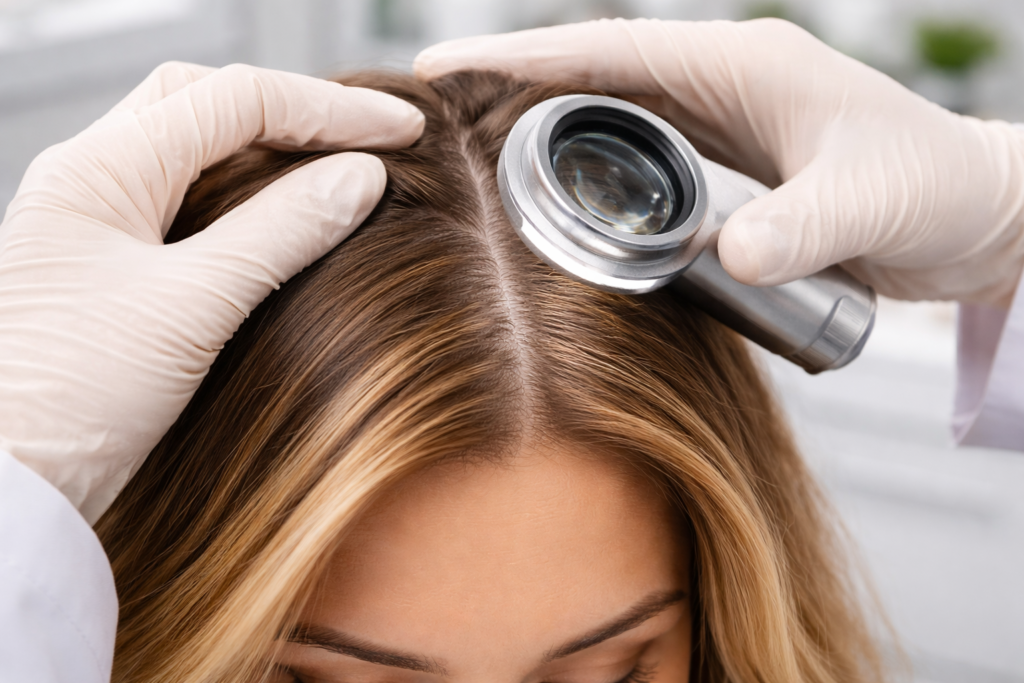
Before recommending or approving hair extension application, dermatologists conduct a meticulous assessment of the scalp. This examination goes beyond a visual check, often employing advanced tools to gain a comprehensive understanding of your hair and scalp’s condition. Their goal is to ensure a robust foundation for extensions.They look for signs of inflammation, redness, excessive oiliness or dryness, and any existing hair loss patterns. A trichoscope, a specialized magnifying camera, might be used to examine hair follicles and the scalp surface in detail. This allows them to detect subtle issues that might not be visible to the naked eye, ensuring that Dermatologist Hair Extensions are applied to a healthy base.
Can Dermatologist Hair Extensions Cause Hair Loss, and What Do Dermatologists Say?
Yes, hair extensions can indeed cause hair loss, with traction alopecia being the most common concern. This condition results from constant pulling on the hair follicles, leading to inflammation and, over time, permanent damage and hair loss. Dermatologists are acutely aware of this risk and provide strict guidelines to prevent it.They advise choosing lightweight extensions and application methods that distribute tension evenly across the scalp. Regular maintenance, proper removal, and periodic breaks from extensions are also crucial recommendations. Early detection of any discomfort or thinning is key, prompting immediate consultation with a dermatologist to prevent further damage.
Dermatologist-Recommended Dermatologist Hair Extensions Alternatives for Sensitive Scalps
For individuals with sensitive scalps, traditional hair extension methods can pose significant challenges, leading to irritation, discomfort, or even allergic reactions. Dermatologists often recommend alternatives that prioritize scalp comfort and minimize potential stressors. These options are designed to provide aesthetic benefits without compromising health.Temporary solutions like high-quality clip-in extensions are frequently suggested for special occasions, as they can be easily removed, reducing prolonged tension. For more semi-permanent options, dermatologists might lean towards very lightweight, non-adhesive methods. The Evolution Hair Method, known for its minimal contact and gentle approach, can be a suitable option when applied by a skilled professional under dermatological guidance. This method often uses a flexible canvas that minimizes stress on individual hair strands.
Who Should I See for Scalp Irritation from Dermatologist Hair Extensions?
If you experience persistent scalp irritation, pain, itching, or notice any unusual hair shedding after getting hair extensions, your first point of contact should be a dermatologist. While your stylist can assist with application and general maintenance, they are not equipped to diagnose or treat medical conditions.A dermatologist can accurately identify the cause of the irritation, whether it’s an allergic reaction, infection, or traction alopecia. Prompt medical attention is vital to prevent minor issues from escalating into more severe or long-term problems. Ignoring these signs can lead to permanent damage to your hair follicles.
Finding a Specialist: Where to Find a Dermatologist for Dermatologist Hair Extensions Issues
Locating a dermatologist who specializes in hair extension-related issues or hair and scalp disorders is paramount for comprehensive care. These specialists possess the specific knowledge required to address the unique challenges that can arise from wearing extensions. They can offer both preventive advice and effective treatments.Professional organizations, such as the American Academy of Dermatology, often provide online ‘Find a Dermatologist’ tools. These directories allow you to search for specialists by location and specific areas of expertise, ensuring you connect with a qualified professional. Seeking out such an expert is a proactive step towards ensuring the longevity of your hair health.
What Types of Dermatologist Hair Extensions Are Safest for Fine Hair?
Fine hair requires particular care when considering extensions, as it is more susceptible to damage from excessive weight or tension. Dermatologists frequently recommend methods that distribute the weight evenly and avoid concentrating stress on a few strands. The goal is to enhance volume without compromising the delicate natural hair.Tape-in extensions, when applied correctly with lightweight wefts and appropriate sectioning, can be a good option. The Evolution Hair Method is also highly regarded for fine hair due to its unique design. It uses a very thin, flexible canvas that minimizes the impact on individual strands, making it one of the safest choices for those with delicate hair.
Preventing Damage: How a Dermatologist Helps with Dermatologist Hair Extensions
A dermatologist plays a critical role in preventing damage from hair extensions long before they are even applied. Their expertise extends to pre-application assessments, guiding clients on suitable extension types, and establishing comprehensive aftercare routines. This proactive involvement is key to maintaining optimal hair and scalp health.They can educate clients on proper hygiene practices, product selection, and the early signs of potential damage. By providing personalized recommendations and monitoring scalp health over time, a dermatologist ensures that the benefits of extensions are enjoyed without adverse effects. This partnership between client, stylist, and dermatologist is essential.
Medical Conditions and Dermatologist Hair Extensions: What to Avoid
Certain medical conditions can make wearing hair extensions ill-advised, as they can exacerbate existing problems or hinder healing. Dermatologists strongly advise against extensions for individuals with active scalp infections (bacterial, fungal), severe psoriasis or eczema, or significant hair thinning due to underlying conditions.Conditions like alopecia areata, extremely fragile hair, or recent scalp surgery are also typically contraindications. A thorough dermatological evaluation can identify these risks, ensuring that extensions do not worsen your condition or impede recovery. Prioritizing health over aesthetics in these cases is crucial for long-term well-being.
The Crucial Role of a Dermatologist’s Opinion for Long-Term Dermatologist Hair Extensions
For individuals considering long-term hair extensions, a dermatologist’s opinion is not just helpful, but absolutely crucial. Prolonged wear of extensions, even with proper care, can place continuous stress on the scalp and hair follicles. A dermatologist provides a medical clearance, assessing your scalp’s resilience and capacity to withstand extended periods of wear.They can monitor for subtle changes over time, offering interventions or adjustments to your extension routine before significant issues arise. This ongoing oversight ensures that your scalp remains healthy and your natural hair continues to thrive, making long-term Dermatologist Hair Extensions a sustainable and enjoyable experience. The guidance of a specialist is invaluable.
Which Dermatologist Hair Extensions Attachment Methods Minimize Damage?
Dermatologists generally endorse hair extension attachment methods that avoid excessive tension, heat, or harsh chemicals, as these are common culprits for hair and scalp damage. The goal is to secure the extensions firmly without compromising the integrity of the natural hair or irritating the scalp.Techniques that distribute weight evenly, such as well-applied tape-in extensions, are often preferred. The Evolution Hair Method is also highly regarded for its minimal impact, utilizing a very thin, flexible canvas that reduces stress on individual strands. This method, when performed by a certified professional, aligns well with dermatological recommendations for minimizing damage.
Looking for a truly damage-free hair extension experience? Discover the Evolution Hair Method and explore our range of services at Mariana Plaster Hair Extensions, where scalp health is our top priority.
The journey to beautiful, healthy hair extensions begins with informed choices and expert guidance. Understanding the role of Dermatologist Hair Extensions in safeguarding your scalp health is paramount. By prioritizing professional consultations, choosing appropriate methods, and adhering to diligent aftercare, you can enjoy the transformative effects of extensions without compromising your natural hair. Remember, true beauty is built on a foundation of health.
Always consult with a qualified dermatologist before embarking on your hair extension journey, especially if you have pre-existing scalp conditions or concerns. Their expertise is your ultimate secret to achieving stunning, long-lasting results while maintaining a vibrant, healthy scalp. For more in-depth information on hair and scalp health, consider exploring resources from authoritative bodies like the American Academy of Dermatology.
What is the dermatological perspective on wearing hair extensions?
Dermatologists emphasize that while hair extensions can be a great cosmetic solution, maintaining scalp and natural hair health is paramount. They look for methods that minimize tension, chemical exposure, and weight, advising against practices that could lead to traction alopecia or allergic reactions.
Why would a dermatologist be involved in hair extension consultations?
A dermatologist’s involvement is crucial for pre-screening scalp and hair health, identifying any underlying conditions like psoriasis, eczema, or sensitive scalp that could be exacerbated by extensions. They can also advise on the safest extension types and attachment methods.
How do dermatologists assess scalp health before hair extension application?
Dermatologists conduct a thorough examination of the scalp for signs of inflammation, infections, excessive oiliness or dryness, and existing hair loss patterns. They might use a trichoscope to magnify the scalp and hair follicles, ensuring a healthy foundation for extensions.
Can hair extensions cause hair loss, and what do dermatologists say?
Yes, hair extensions can cause hair loss, most commonly traction alopecia, which results from constant pulling on hair follicles. Dermatologists advise choosing lightweight extensions and gentle application methods to prevent this, along with regular maintenance and breaks from extensions.
What are dermatologist-recommended hair extension alternatives for sensitive scalps?
For sensitive scalps, dermatologists might recommend temporary options like clip-ins for special occasions, or very lightweight, non-adhesive methods. The Evolution Hair Method, known for its minimal contact and gentle approach, can also be a suitable option when supervised by a professional.
Who should I see if I experience scalp irritation from hair extensions: a stylist or a dermatologist?
If you experience persistent scalp irritation, pain, or significant hair loss, you should consult a dermatologist immediately. While your stylist can help with application and maintenance, a dermatologist can diagnose and treat underlying medical conditions or adverse reactions.
Where can I find a dermatologist who specializes in hair extension-related issues?
Look for dermatologists specializing in hair and scalp disorders or cosmetic dermatology. Professional organizations like the American Academy of Dermatology often have ‘Find a Dermatologist’ tools that allow you to search by specialization and location.
What types of hair extensions are considered safest by dermatologists for fine hair?
For fine hair, dermatologists often recommend methods that distribute weight evenly and avoid excessive tension. This includes tape-in extensions (when applied correctly and lightly), and the Evolution Hair Method, which uses a very thin, flexible canvas to minimize stress on individual strands.
How can a dermatologist help prevent damage from hair extensions?
A dermatologist can provide a pre-application scalp assessment, recommend suitable extension types and aftercare routines, and educate clients on proper hygiene and signs of damage. They can also offer preventive treatments to strengthen hair and scalp health.
Are there any medical conditions that dermatologists advise against getting hair extensions for?
Yes, conditions like active scalp infections (fungal, bacterial), severe psoriasis or eczema, significant hair thinning, alopecia areata, or extremely fragile hair are usually contraindications for hair extensions, as they can worsen the condition or hinder healing.
Why is a dermatologist’s opinion crucial before getting long-term hair extensions?
For long-term hair extensions, a dermatologist’s opinion ensures that your scalp can withstand prolonged wear without developing issues like traction alopecia or chronic inflammation. They provide a medical clearance, guiding you towards the safest choices for sustained hair health.
What are the signs of an allergic reaction to hair extensions, according to dermatologists?
Signs of an allergic reaction include intense itching, redness, swelling, burning sensation, rashes, or pustules on the scalp. These reactions can be to the adhesive, synthetic hair fibers, or even metal components used in some extension types.
How much does a dermatologist charge for evaluating hair health for extensions?
The cost for a dermatological consultation for hair health evaluation varies widely based on location, the dermatologist’s expertise, and whether further tests are required. It can range from $100 to $300 or more, and might be covered by insurance if there’s a medical concern.
Do dermatologists offer treatments for traction alopecia caused by hair extensions?
Yes, dermatologists offer various treatments for traction alopecia, depending on its severity. These can include topical corticosteroids, minoxidil, platelet-rich plasma (PRP) therapy, or in severe cases, hair transplantation to restore growth to damaged follicles.
Which hair extension attachment methods are endorsed by dermatologists for minimal damage?
Dermatologists generally endorse methods that avoid excessive tension, heat, or harsh chemicals. Techniques like the Evolution Hair Method, which is lightweight and uses a flexible canvas, and well-applied tape-in extensions are often preferred for their reduced impact on natural hair and scalp.