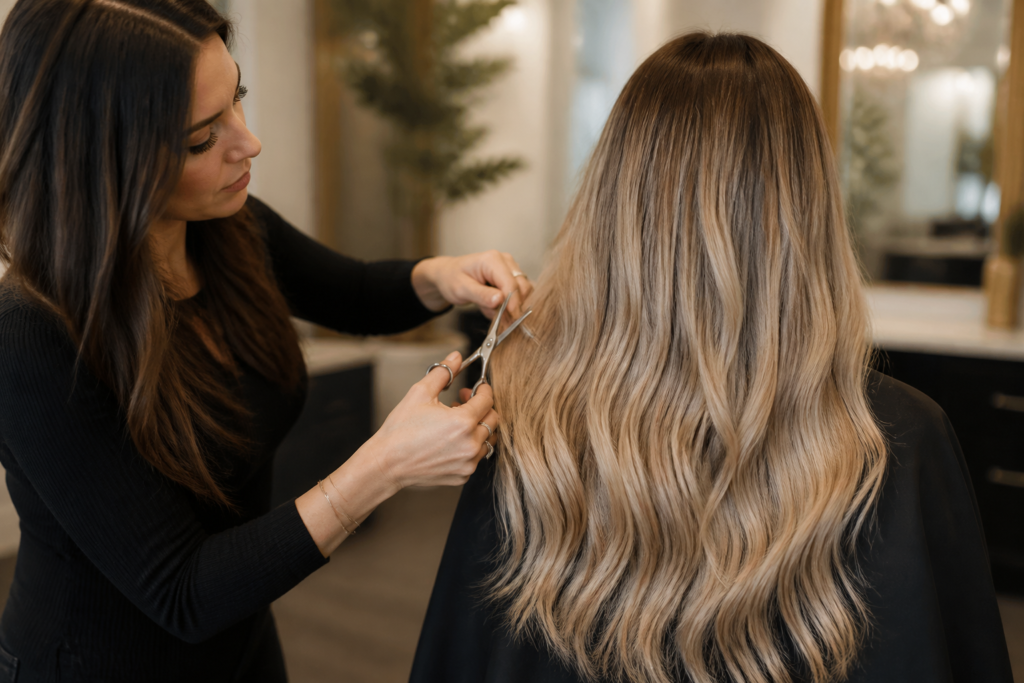
Extension Shaping Techniques: 5 Brilliant Ways to Achieve a Flawless Finish
The pursuit of perfectly blended hair extensions often hinges on one critical element: masterful extension shaping techniques. It’s not enough to simply attach extensions; the true artistry lies in how they integrate with your natural hair, creating a seamless, undetectable, and stunning result. Without precise shaping, even the highest quality extensions can look unnatural, bulky, or poorly matched. This comprehensive guide will illuminate the brilliant methods professionals use to transform extensions into a natural part of your style, ensuring a flawless finish that enhances your overall look and boosts your confidence.
Achieving a natural flow requires a deep understanding of hair dynamics, cutting principles, and blending strategies. We will delve into the essential approaches that make all the difference, from strategic layering to advanced texturizing. Discover how these specialized extension shaping techniques contribute not only to immediate aesthetic appeal but also to the longevity and health of your hair extensions. Prepare to unlock the secrets behind truly beautiful, effortlessly integrated hair.
Key Takeaways
- Master the fundamental extension shaping techniques that ensure a natural and undetectable blend for all hair extension types.
- Understand the critical difference between basic cutting and advanced shaping, and why both are vital for a flawless finish.
- Discover the essential tools and products that empower stylists to achieve superior results with various extension shaping techniques.
- Learn how proper shaping significantly extends the lifespan of your hair extensions and prevents common issues like tangling and bulkiness.
- Gain insight into finding expert stylists who specialize in advanced extension shaping techniques for a truly transformative experience.
Understanding Essential Extension Shaping Techniques
The foundation of truly beautiful hair extensions lies in understanding and applying the correct extension shaping techniques. These are not merely about cutting length; they involve a nuanced approach to create movement, blend textures, and ensure the extensions look like they are growing directly from the scalp. Mastering these techniques is what separates a good extension application from an exceptional one, delivering results that are both natural and long-lasting.
Without these specialized methods, extensions can appear stiff, chunky, or visibly separate from the natural hair. This section will explore the core techniques that form the backbone of professional extension integration, ensuring every client walks away with a flawless, confidence-boosting style.
The Art of Layering in Extension Shaping Techniques
Layering is paramount among extension shaping techniques. It involves strategically cutting varying lengths into the hair to create movement and reduce bulk. For extensions, this means creating soft, graduated layers that seamlessly merge the extension hair with the client’s natural hair. This technique avoids blunt lines, which are a common giveaway of extensions, and instead promotes a fluid, natural fall.
Proper layering also helps distribute the weight of the extensions, making them feel lighter and more comfortable. It’s a delicate balance of removing just enough hair to create shape without compromising the desired volume or length. This precision is what allows for truly undetectable results.
Precision Point Cutting: A Key Extension Shaping Technique
Point cutting is another indispensable method within extension shaping techniques. Instead of cutting straight across, the shears are held at an angle and used to cut into the ends of the hair. This technique creates a softer, more textured edge, preventing the blunt, heavy look that can often occur with extensions. It’s particularly effective for softening the perimeter of the hair and blending different lengths.
By using point cutting, stylists can subtly remove weight and add texture, making the transition between natural hair and extensions virtually invisible. This method is crucial for achieving a feathery, natural finish that moves beautifully.
Blending and Texturizing for Seamless Extension Shaping Techniques
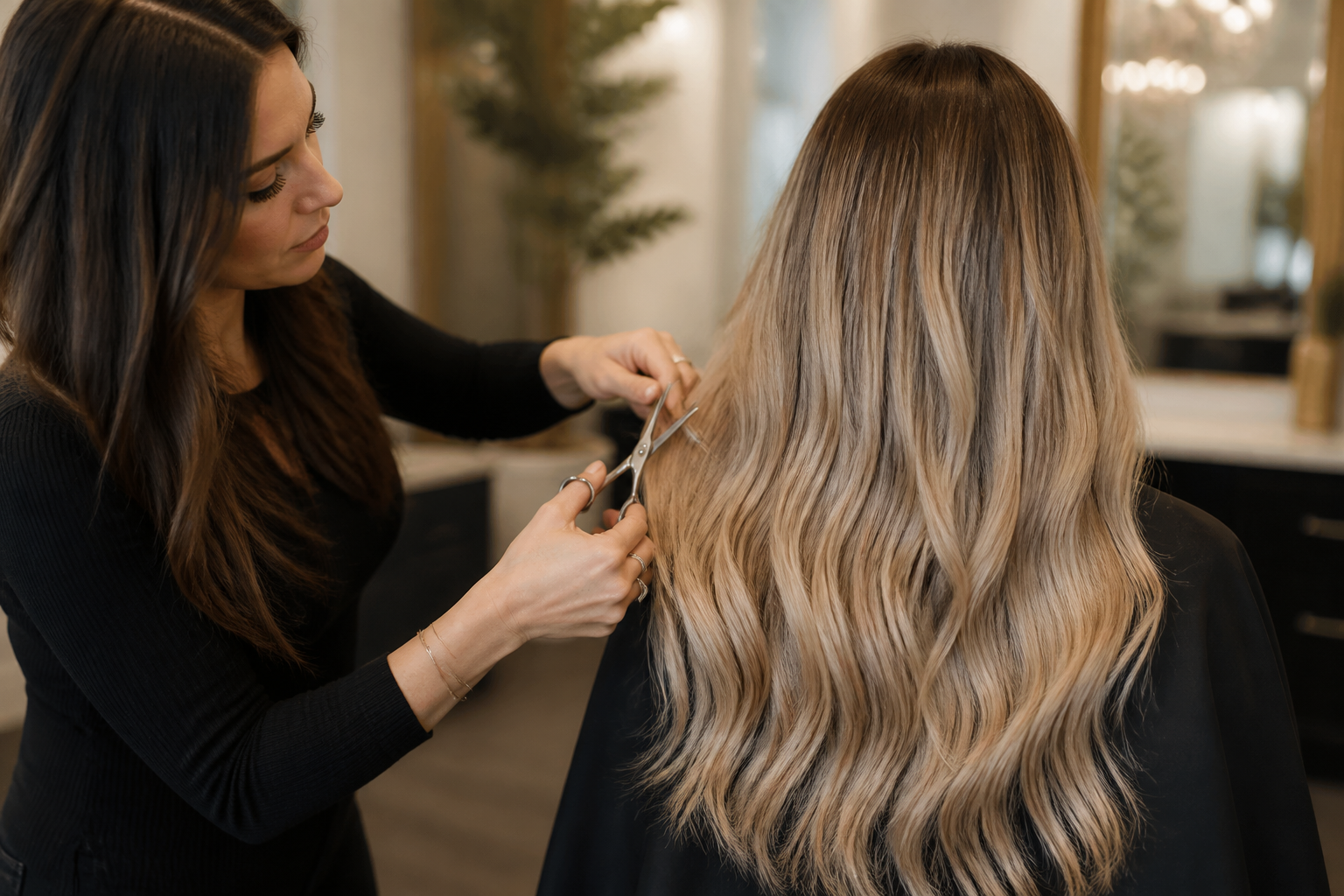
Beyond layering and point cutting, blending and texturizing are vital extension shaping techniques that ensure a cohesive look. Blending involves carefully integrating the extension hair with the natural hair, often using slide cutting or feathering motions to create a smooth gradient. Texturizing, on the other hand, focuses on altering the hair’s texture to match, using thinning shears or razors to remove internal bulk and add softness.
These techniques are particularly important when dealing with different hair densities or textures, ensuring that the extensions lay flat and move harmoniously with the client’s natural hair. The goal is to create an illusion of natural growth, where no one can tell where the natural hair ends and the extensions begin.
Professional Approaches to Blending Hair Extensions with Extension Shaping Techniques
Achieving a truly natural and undetectable look with hair extensions requires more than just attaching them; it demands professional-level extension shaping techniques. Expert stylists employ a range of sophisticated methods to ensure that extensions integrate flawlessly with the client’s natural hair, making them virtually invisible. This meticulous process is what elevates a good extension application to an exceptional one.
The key lies in a deep understanding of hair structure, growth patterns, and the specific characteristics of both natural and extension hair. Professionals leverage this knowledge to customize their approach, ensuring every client receives a bespoke blend that complements their unique style.
Customizing Extension Shaping Techniques for Natural Hair
One of the hallmarks of professional blending is the ability to customize extension shaping techniques to suit the client’s natural hair type and cut. This involves assessing the density, texture, and current style of the natural hair before deciding on the most appropriate cutting and blending methods for the extensions. For instance, fine hair might require more delicate layering, while thick hair may need more aggressive texturizing to reduce bulk.
This personalized approach ensures that the extensions enhance the natural hair rather than overpowering it. It’s about creating harmony between the two, resulting in a look that appears effortlessly natural and cohesive.
The Role of Sectioning in Advanced Extension Shaping Techniques
Precise sectioning is fundamental to all advanced extension shaping techniques. Before any cutting or blending begins, the hair must be carefully sectioned to isolate the natural hair from the extensions and to create a roadmap for the desired shape. This allows the stylist to work with control and accuracy, ensuring that each cut contributes to the overall seamless blend.
Proper sectioning helps prevent accidental cutting of the natural hair and ensures that layers and texture are evenly distributed throughout the extensions. It’s a critical preparatory step that guarantees the precision and effectiveness of all subsequent shaping efforts.
Why Proper Extension Shaping Techniques are Crucial for Longevity and Appearance
The importance of proper extension shaping techniques extends far beyond immediate aesthetics; it is fundamentally crucial for both the longevity and overall appearance of your hair extensions. Neglecting this vital step can lead to a host of issues, from premature wear and tear to an unnatural, unkempt look. Investing in expert shaping ensures your extensions not only look stunning but also last longer and remain healthy.
These techniques are designed to integrate the extensions seamlessly, reducing stress on both the natural hair and the extension bonds. This thoughtful approach safeguards your investment and maintains the integrity of your style over time.
Preventing Damage with Effective Extension Shaping Techniques
One of the primary benefits of effective extension shaping techniques is the prevention of damage. When extensions are poorly cut or blended, they can create tension points on the natural hair, leading to breakage or even traction alopecia. Proper shaping ensures that the weight of the extensions is evenly distributed and that the hair flows naturally, minimizing pulling and stress on the scalp and hair follicles.
Moreover, well-shaped extensions are less prone to tangling and matting, which are major causes of damage to both the extensions themselves and the natural hair. By creating a smooth transition, shaping reduces friction and makes daily maintenance much easier, thereby extending the life of your extensions.
Enhancing Aesthetic Appeal Through Expert Extension Shaping Techniques
Aesthetically, expert extension shaping techniques are transformative. They are the difference between hair that looks “done” and hair that looks naturally luxurious. Proper shaping allows the extensions to move and fall like natural hair, creating a harmonious and proportional style that complements the client’s facial features. This includes creating face-framing layers, softening blunt edges, and adding natural volume where needed.
Without these techniques, extensions can look like a separate entity, creating a noticeable line or an overly heavy appearance. With professional shaping, the extensions become an undetectable enhancement, boosting confidence and creating a truly polished look.
Unlock Flawless Hair with Expert Extension Shaping Techniques at Mariana Plaster
Achieve a truly natural and seamless look for your hair extensions. Our specialized Evolution Hair Method ensures every strand is perfectly blended, enhancing your style without damage.
Recommended Tools and Products for Mastering Extension Shaping Techniques
Mastering the art of extension shaping techniques requires not only skill but also the right arsenal of tools and products. Just as a painter needs specific brushes, a stylist needs specialized equipment to achieve precision, blend, and a flawless finish for hair extensions. Using subpar tools can lead to damage, uneven cuts, and an overall unsatisfactory result.
This section will outline the essential items every professional should have, along with recommended products that complement and enhance the shaping process, ensuring the extensions look their absolute best.
Essential Shears and Combs for Extension Shaping Techniques
At the forefront of any stylist’s kit for extension shaping techniques are high-quality shears. Professional-grade sharp shears, often made from Japanese steel, are crucial for clean, precise cuts that prevent split ends and damage to the extension hair. Thinning shears are equally important for removing bulk and creating soft, diffused lines, especially when blending different hair densities.
A fine-tooth comb is indispensable for meticulous sectioning and ensuring every strand is in place before cutting. Additionally, a wide-tooth comb is excellent for detangling extensions gently without causing stress. Investing in these tools is fundamental for achieving superior results.
Styling Products to Complement Extension Shaping Techniques
Beyond cutting tools, specific styling products play a significant role in maintaining the integrity and appearance of extensions shaped with expert extension shaping techniques. Heat protectant sprays are non-negotiable, safeguarding the hair from thermal damage during styling. Lightweight styling creams or serums help to smooth the cuticle, add shine, and control frizz without weighing down the extensions.
For finishing, a flexible hold hairspray can help maintain the style without making the hair stiff. It’s also beneficial to use leave-in conditioners specifically formulated for extensions, which provide hydration and make the hair more manageable, further enhancing the longevity of the shaping.
Finding Expert Stylists and Salons for Advanced Extension Shaping Techniques
When seeking to enhance your look with hair extensions, the choice of stylist and salon is paramount, particularly concerning their expertise in advanced extension shaping techniques. A truly skilled professional can transform extensions into a seamless, natural part of your hair, while an inexperienced one can leave you with a noticeable and disappointing result. Locating the right expert is an investment in your appearance and confidence.
This section offers guidance on how to identify top-tier professionals and salons that specialize in the intricate art of shaping hair extensions, ensuring you receive the highest quality service.
What to Look for in a Specialist for Extension Shaping Techniques
When searching for a specialist in extension shaping techniques, look for several key indicators. Firstly, extensive experience specifically with extensions is crucial. Ask about their training and certifications in various extension methods and cutting techniques. A portfolio of their work, showcasing before-and-after photos of clients with seamlessly blended extensions, is also a strong testament to their skill.
Furthermore, a thorough consultation process where the stylist assesses your natural hair, discusses your desired outcome, and explains their shaping strategy is essential. This collaborative approach ensures that your expectations are met and that the final result is perfectly tailored to you.
Locating Salons Offering Premium Extension Shaping Techniques
To find salons offering premium extension shaping techniques, start by researching reputable establishments known for hair extensions. Online reviews, particularly those mentioning “natural blend” or “undetectable extensions,” can be very insightful. Websites like Yelp or Google Reviews often highlight client experiences with specific stylists. Consider salons that emphasize continuous education for their staff, as this indicates a commitment to staying current with the latest techniques and trends.
Word-of-mouth referrals from friends or acquaintances with great extensions are also invaluable. Don’t hesitate to call salons and inquire specifically about their stylists’ expertise in shaping and blending extensions, as this is a specialized skill. For example, Mariana Plaster Hair Extensions is renowned for its Evolution Hair Method, which prioritizes flawless blending and natural-looking results through advanced shaping.
Mastering Layers: How to Cut and Style Long Hair Extensions with Extension Shaping Techniques
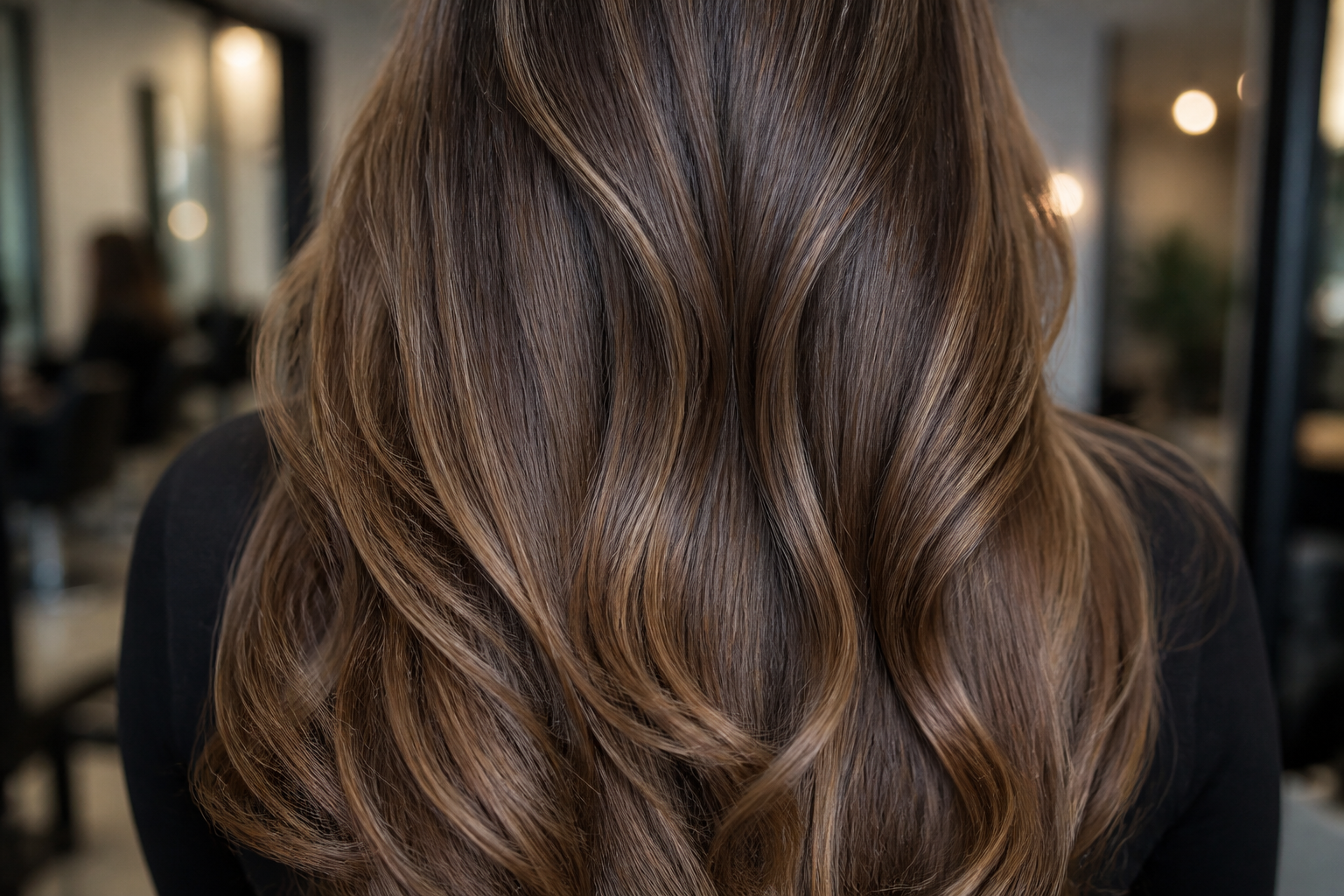
Long hair extensions offer incredible versatility, but to truly shine, they require masterful layering using precise extension shaping techniques. Without proper layering, long extensions can appear heavy, lifeless, and disconnected from the natural hair. The goal is to create movement, body, and a seamless flow that makes the extensions look like your own luxurious locks.
This section will guide you through the process of cutting and styling layers into long hair extensions, ensuring a dynamic and natural finish that enhances your overall look.
Step-by-Step Guide to Layering with Extension Shaping Techniques
Cutting layers into long hair extensions using effective extension shaping techniques involves a methodical approach. First, ensure the extensions are securely installed and dry. Section the hair precisely, starting with a horizontal parting at the nape. Begin by establishing the longest layers at the back, using a guide from the natural hair. Elevate sections to create soft, graduated layers, working your way up the head.
For face-framing layers, bring sections forward and use point cutting or slide cutting to create a soft, flattering contour around the face. Always cut less than you think you need, as you can always remove more. The key is to create a gradual transition, avoiding harsh lines.
Styling Tips for Layered Extension Shaping Techniques
Once layers are cut using expert extension shaping techniques, styling them correctly is essential to maximize their impact. For added body and movement, use a round brush during blow-drying, lifting at the roots and curling the ends slightly inward or outward. This enhances the layered effect and creates a bouncy finish.
Curling or waving the hair can further emphasize the layers, creating a dynamic and voluminous look. Use a large barrel curling iron for soft waves, ensuring the curls are consistent throughout the natural hair and extensions. Finish with a lightweight serum to add shine and reduce frizz, showcasing the beautiful flow of your expertly shaped extensions.
Cutting vs. Shaping Hair Extensions: Understanding the Nuances of Extension Shaping Techniques
While often used interchangeably, “cutting” and “shaping” hair extensions represent distinct processes within the broader realm of extension shaping techniques. Understanding the difference is crucial for both stylists and clients to achieve the desired outcome. Cutting typically refers to the initial alteration of length or removal of significant bulk, while shaping is the refined artistry that integrates and perfects the overall style.
Both are essential, but their objectives and methods vary significantly. This distinction highlights the specialized skill required to make extensions truly undetectable and beautiful.
The Distinct Goals of Cutting and Extension Shaping Techniques
Cutting hair extensions primarily focuses on establishing the desired length and removing any excess hair. It’s a more utilitarian process, often involving blunt cuts or basic trims to achieve a foundational length. For example, if a client wants 20-inch extensions but their natural hair is shoulder-length, the initial cutting might involve trimming the extensions to a manageable length before any detailed blending begins.
Conversely, extension shaping techniques are about sculpting and refining. The goal is to create a seamless transition, add movement, and customize the style to flatter the client’s features. This involves intricate methods like layering, point cutting, slide cutting, and texturizing, all aimed at making the extensions look and feel like natural hair.
Integrating Both for Optimal Hair Extension Results
For optimal hair extension results, both cutting and advanced extension shaping techniques must be integrated. The process typically begins with a foundational cut to establish the overall length and remove any initial bulk. Following this, the stylist then applies a variety of shaping techniques to blend the extensions with the natural hair, create layers, and add texture.
This sequential approach ensures that the extensions are not only the correct length but also beautifully integrated and styled. A professional understands that a great cut provides the canvas, but expert shaping adds the intricate details that bring the masterpiece to life, making the extensions truly undetectable.
Investment in Flawless Hair: Cost of Professional Extension Shaping Techniques
The decision to get hair extensions is an investment in your appearance, and a significant part of that investment should be allocated to professional extension shaping techniques. While the initial cost of the extensions themselves can vary widely, the shaping service is what truly transforms them from mere added hair into a natural, integrated part of your style. Understanding the cost factors involved helps manage expectations and appreciate the value of expert craftsmanship.
This section will explore what influences the pricing of professional extension shaping and why it’s a worthwhile expenditure for achieving flawless results.
Factors Influencing the Cost of Extension Shaping Techniques
The cost of professional extension shaping techniques can vary based on several factors. The stylist’s experience and reputation play a significant role; highly sought-after experts often command higher rates due to their proven skill and artistry. The complexity of the shaping required is another factor. For instance, blending extensions with very short natural hair or creating intricate layered styles will typically cost more than a simple trim.
The type and number of extensions installed also influence the price, as more hair or different textures may require more time and specialized techniques. Location of the salon can also affect pricing, with services in metropolitan areas often being more expensive.
Value of Expert Extension Shaping Techniques
While there is a cost associated with professional extension shaping techniques, the value they provide is immense. A perfectly shaped set of extensions looks natural, feels comfortable, and lasts longer, ultimately saving you money and frustration in the long run. Poorly shaped extensions can quickly become a source of dissatisfaction, requiring costly corrections or even premature removal.
An expert stylist ensures that your extensions are not only beautiful but also maintainable, reducing the need for frequent adjustments. This investment ensures that your hair extensions truly enhance your beauty, providing a seamless and confidence-boosting experience that is well worth the price.
Can You Perform Basic Extension Shaping Techniques at Home?
The allure of saving money might tempt some to attempt basic extension shaping techniques at home. While minor adjustments are possible, it is crucial to approach this with extreme caution. Professional shaping is a highly skilled art form, and attempting complex cuts or blends without proper training can lead to irreversible damage to your extensions and natural hair, resulting in an unnatural and unsatisfactory look.
This section offers guidance on what might be feasible for DIY at home and, more importantly, when to absolutely seek the expertise of a professional.
DIY Tips for Simple Extension Shaping Techniques
For those determined to try simple extension shaping techniques at home, focus on very minor adjustments. If you notice a single, slightly longer strand, you might carefully snip it with sharp hair shears. You can also gently thin out very small sections of bulkiness using thinning shears, but only if you have a clear understanding of how they work and proceed with extreme caution.
Always work on dry, styled hair, and use a mirror to ensure evenness. Remember, less is more. It’s always safer to remove too little than too much. For anything beyond the most basic touch-ups, professional intervention is highly recommended to avoid costly mistakes.
When to Seek Professional Guidance for Extension Shaping Techniques
You should always seek professional guidance for extension shaping techniques when dealing with significant length adjustments, creating layers, blending different textures, or if you notice any visible lines where your extensions meet your natural hair. Any attempt to create a new style, add face-framing pieces, or correct a noticeable bulk should be left to an experienced stylist.
Professionals have the training, tools, and artistic eye to assess your hair, understand its movement, and execute precise cuts that ensure a natural, flawless blend. Attempting these complex techniques at home often leads to uneven results, damage, and ultimately, a need for professional correction, which can be more expensive than the initial shaping service.
Avoiding Common Mistakes in Extension Shaping Techniques
Even with the best intentions, several common pitfalls can undermine the effectiveness of extension shaping techniques, leading to results that are far from flawless. Recognizing and actively avoiding these mistakes is paramount for both stylists and clients to ensure the integrity and aesthetic appeal of hair extensions. A seemingly minor error in shaping can significantly impact the overall look and longevity of the extensions.
This section will highlight the most frequent missteps and provide insights on how to sidestep them, guaranteeing a more successful and satisfying outcome.
Pitfalls to Sidestep During Extension Shaping Techniques
One of the most common pitfalls in extension shaping techniques is cutting blunt lines. This creates a harsh, unnatural demarcation between the natural hair and extensions, making them highly visible. Another mistake is failing to blend the extensions with the natural hair’s movement and texture, resulting in a stiff or disconnected appearance. Using dull tools is also a critical error, as it can fray the hair, cause split ends, and lead to damage.
Over-thinning or removing too much bulk can also weaken the extensions and make them look sparse. Finally, not considering the client’s natural hair growth patterns or head shape during shaping can lead to an unbalanced or unflattering style.
Ensuring a Natural Look with Correct Extension Shaping Techniques
To ensure a natural look with correct extension shaping techniques, always prioritize soft, graduated layers and point cutting for seamless transitions. Meticulously blend the extensions with the natural hair using techniques like slide cutting and feathering, ensuring there are no visible lines. Always use sharp, professional-grade shears to maintain hair health and achieve clean cuts.
Focus on removing internal bulk strategically rather than just thinning the ends, which helps the extensions lay flat and flow naturally. A thorough consultation to understand the client’s hair type and desired outcome is also crucial, allowing the stylist to tailor the shaping to achieve a truly customized and natural-looking finish.
Seamless Blending Across Different Hair Textures with Extension Shaping Techniques
Achieving seamless blending when natural hair and extensions have different textures is one of the most challenging aspects of hair extension artistry. However, with advanced extension shaping techniques, it is entirely possible to create a harmonious and undetectable transition. The key lies in a deep understanding of how different textures behave and how to manipulate them to work together.
This section explores the specialized methods used to bridge textural differences, ensuring that your extensions blend flawlessly regardless of your natural hair type.
Adapting Extension Shaping Techniques for Diverse Hair Types
Adapting extension shaping techniques for diverse hair types is critical. For clients with fine, straight hair, the focus will be on delicate layering and point cutting to create softness without removing too much volume. For those with wavy or curly hair, the shaping must account for the hair’s natural curl pattern, often involving dry cutting to see how the curls will fall.
Thick or coarse hair may require more aggressive texturizing and internal layering to reduce bulk and create movement. The stylist must choose extension hair that closely matches the client’s natural texture, but even then, expert shaping is needed to refine the blend.
Achieving Harmony in Texture with Expert Shaping
To achieve harmony in texture with expert extension shaping techniques, stylists often employ a combination of methods. This might include custom layering that respects the natural hair’s movement, precise point cutting to soften the ends of both natural and extension hair, and strategic texturizing to reduce any visible lines or bulk. Sometimes, a slight alteration in the styling routine, such as using specific products to enhance curl or smooth frizz, can also aid in the blending process.
The ultimate goal is to create an illusion where the natural hair and extensions appear to be one continuous, flowing mane. This meticulous attention to textural detail is what truly distinguishes a professional, seamless blend.
Certifications and Training for Mastering Extension Shaping Techniques
For aspiring and current hair professionals, mastering extension shaping techniques is a significant step towards becoming a highly sought-after specialist. The demand for flawlessly blended extensions continues to grow, making advanced training and certifications invaluable. These programs provide the in-depth knowledge and hands-on practice necessary to excel in this intricate aspect of hair artistry.
This section will outline the types of professional development available, emphasizing the importance of continuous learning in the dynamic field of hair extensions.
Professional Development in Extension Shaping Techniques
Professional development in extension shaping techniques typically involves specialized courses offered by extension brands, beauty academies, or experienced master stylists. These programs often cover advanced cutting methods tailored for extensions, blending strategies for various hair types, and troubleshooting common issues like bulkiness or visible lines. Certifications from reputable organizations or brands can significantly enhance a stylist’s credibility and marketability.
Such training goes beyond basic cutting, delving into the nuances of hair density, texture matching, and creating custom looks that flatter individual clients. It’s an investment that pays dividends in client satisfaction and career advancement.
The Importance of Continuous Learning in Hair Extension Artistry
The field of hair extension artistry, including extension shaping techniques, is constantly evolving with new methods, tools, and products. Therefore, continuous learning is paramount. Attending workshops, seminars, and advanced masterclasses ensures that stylists remain at the forefront of the industry. This ongoing education allows them to refine their skills, learn innovative techniques, and adapt to changing client demands.
Staying updated not only improves the quality of service but also positions stylists as true experts in their field. Clients are increasingly discerning, and a stylist committed to continuous learning demonstrates dedication to excellence and delivering the best possible results.
Addressing Bulkiness: Why Proper Extension Shaping Techniques are Essential
One of the most common complaints about poorly installed or unshaped hair extensions is bulkiness. This undesirable outcome can make extensions look unnatural, heavy, and obvious. Addressing bulkiness effectively is a core function of expert extension shaping techniques, transforming a potentially awkward addition into a seamless enhancement.
Understanding why extensions can appear bulky and how precise shaping resolves this issue is crucial for achieving a truly flawless and comfortable result.
The Science Behind Bulky Extensions and How Shaping Helps
Extensions can look bulky for several reasons. Often, it’s due to an inadequate blend where the natural hair abruptly meets the extension hair, creating a visible ledge or a sudden increase in density. This is particularly common with thicker extension wefts or when the natural hair is significantly shorter or finer than the extensions. Improper sectioning during installation can also contribute to uneven distribution of hair, leading to concentrated areas of bulk.
Expert extension shaping techniques counteract this by strategically removing weight and creating a gradual transition. Techniques like internal layering, deep point cutting, and careful texturizing are used to diffuse the density, allowing the hair to lay flat and flow naturally.
Achieving a Lightweight Feel with Advanced Extension Shaping Techniques
Advanced extension shaping techniques are designed to achieve a lightweight, natural feel that belies the added volume and length. This involves a meticulous process of thinning and blending that considers the entire head of hair, not just the ends. Stylists use specialized shears to remove bulk from the mid-lengths and ends of the extensions, ensuring they don’t feel heavy or stiff.
The goal is to create a harmonious density throughout, from the roots of the natural hair to the very tips of the extensions. This careful balance ensures that the extensions move freely, feel comfortable, and look incredibly natural, making them virtually undetectable to both sight and touch.
The Ultimate Finish with Expert Extension Shaping Techniques
The journey to achieving truly flawless hair extensions culminates in the application of expert extension shaping techniques. These specialized methods are not just an afterthought; they are the defining factor that transforms added hair into a seamless, natural, and stunning part of your overall look. From the initial blend to the final texturizing, every step in shaping is critical to ensuring your extensions are undetectable, comfortable, and long-lasting.
By understanding the importance of precise layering, point cutting, and meticulous blending, you can appreciate the artistry involved in creating a truly brilliant finish. Investing in a stylist proficient in these advanced extension shaping techniques is an investment in your confidence and the enduring beauty of your hair. Embrace the power of professional shaping to unlock the full potential of your hair extensions, enjoying a natural flow and a radiant appearance that truly reflects your best self.
What are the essential techniques for shaping hair extensions?
Essential extension shaping techniques include precise layering, point cutting for soft ends, blending with natural hair, and custom texturizing. These methods ensure a seamless transition and a natural, flowing look, avoiding any blunt lines or unnatural bulkiness.
How do professionals blend hair extensions for a natural look?
Professionals achieve a natural blend by carefully matching color and texture, followed by strategic cutting and shaping. Techniques like slide cutting and feathering create soft transitions, while meticulous sectioning ensures extensions integrate flawlessly with the client’s natural hair, making them virtually undetectable.
Why is proper shaping crucial for the longevity and appearance of hair extensions?
Proper shaping is crucial because it ensures the extensions lay correctly, reducing tangling and stress on both the extensions and natural hair, which enhances longevity. Aesthetically, it creates a harmonious, proportional style that complements the client’s features, making the extensions look like a natural part of their hair.
What specific tools and products are recommended for shaping hair extensions?
For shaping hair extensions, professional-grade sharp shears (like Japanese steel scissors), thinning shears, a fine-tooth comb, and a paddle brush are essential. Recommended products include heat protectant sprays, lightweight styling creams, and finishing serums to maintain texture and shine without weighing down the extensions.
How to cut and style layers into long hair extensions?
Cutting and styling layers into long hair extensions involves sectioning the hair, starting with longer layers at the back, and gradually shortening them towards the front to frame the face. Use a razor or point-cutting technique for soft, blended layers that add movement and body, ensuring a natural flow with the client’s own hair.
What is the difference between cutting and shaping hair extensions?
Cutting hair extensions typically refers to altering the overall length or removing bulk. Shaping, however, focuses on refining the cut to create a specific style, blending the extensions with natural hair, and adding texture or layers to achieve a seamless, natural-looking finish that enhances the client’s overall look.
What common mistakes should be avoided when shaping hair extensions?
Common mistakes to avoid when shaping hair extensions include cutting blunt lines, failing to blend the extensions with the natural hair, using dull tools that can damage the hair, and not considering the client’s natural hair texture. Improper shaping can lead to an unnatural, bulky, or uneven appearance.
How do you ensure seamless blending with different hair textures using shaping techniques?
Ensuring seamless blending with different hair textures using shaping techniques requires careful attention to the hair’s natural movement and density. Techniques like custom layering, texturizing, and precise point cutting are adapted to match the natural hair’s flow, creating a harmonious and undetectable transition between the two textures.
Learn more from authoritative resources: Consumer Reports and HGTV.