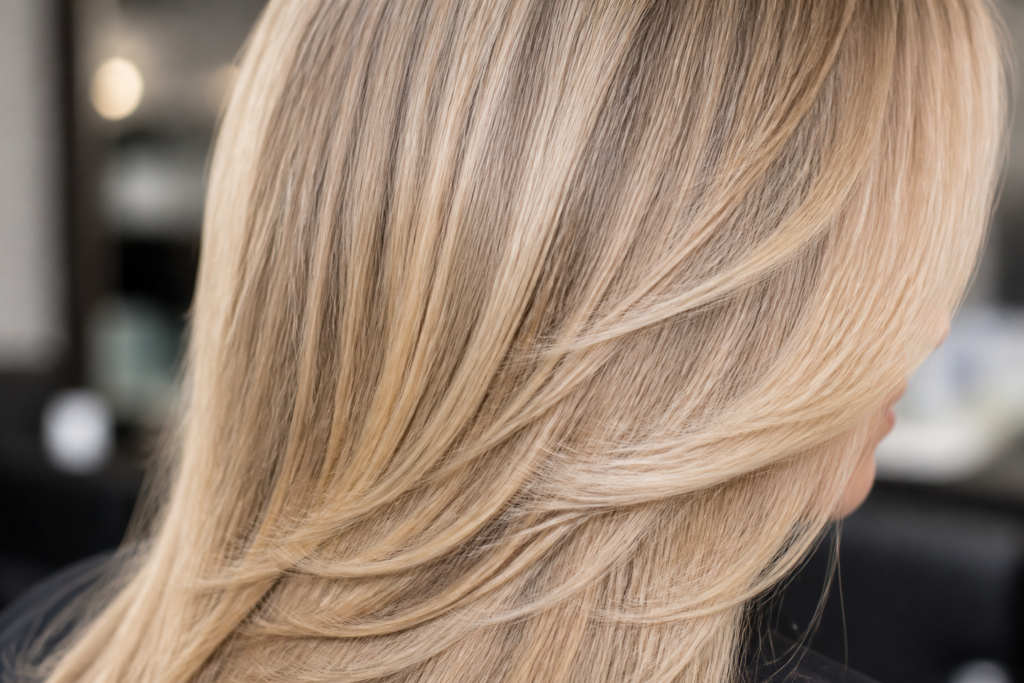
The quest for beautiful, voluminous hair often leads to the transformative world of extensions. However, simply applying extensions is only half the journey; the true artistry lies in the blend. A precise Hair Type Extension Haircut is the non-negotiable step that elevates your look from noticeable additions to a seamless, natural-looking mane. Without this crucial tailoring, even the highest quality extensions can appear unnatural, creating harsh lines and an unblended finish that detracts from your overall style. This guide will reveal the 4 powerful rules that ensure your extensions integrate flawlessly with your natural hair, creating a harmonious and stunning result.
Achieving a perfect blend requires more than just trimming; it demands a deep understanding of hair texture, density, and growth patterns. We will delve into specialized cutting techniques, discuss how to customize your cut based on your specific extension method, and emphasize the paramount importance of seeking out a skilled professional. By adhering to these expert principles, you can unlock the full potential of your extensions, enjoying a look that is both luxurious and authentically you.
Key Takeaways for a Flawless Hair Type Extension Haircut
- Understand the critical role of assessing your natural hair’s texture and density before any Hair Type Extension Haircut to ensure optimal blending.
- Master the essential cutting techniques, such as point cutting and slide cutting, that create seamless transitions and natural movement in your extensions.
- Learn how to customize your Hair Type Extension Haircut based on the specific type of extensions you have, from tape-ins to permanent methods.
- Recognize the invaluable expertise of a specialized stylist in delivering a perfectly blended and damage-free Hair Type Extension Haircut.
Hair Type Extension Haircut: 4 Powerful Rules for an Expert Blend
Hair Type Extension Haircut: Rule 1: Assess Natural Hair Texture and Density
The foundation of any successful Hair Type Extension Haircut lies in a thorough understanding of your natural hair. This isn’t merely about color matching; it’s about meticulously analyzing texture, density, and the way your hair naturally falls. Why is this crucial? Because your natural hair type dictates the specific cutting techniques required to prevent extensions from looking bulky, stringy, or simply
Elevate Your Look with an Expert Hair Type Extension Haircut at Mariana Plaster
Mariana Plaster Hair Extensions specializes in damage-free techniques, ensuring a harmonious and proportional style that complements your personality and natural hair with every Hair Type Extension Haircut.
What is the best haircut for blending hair extensions with fine natural hair?
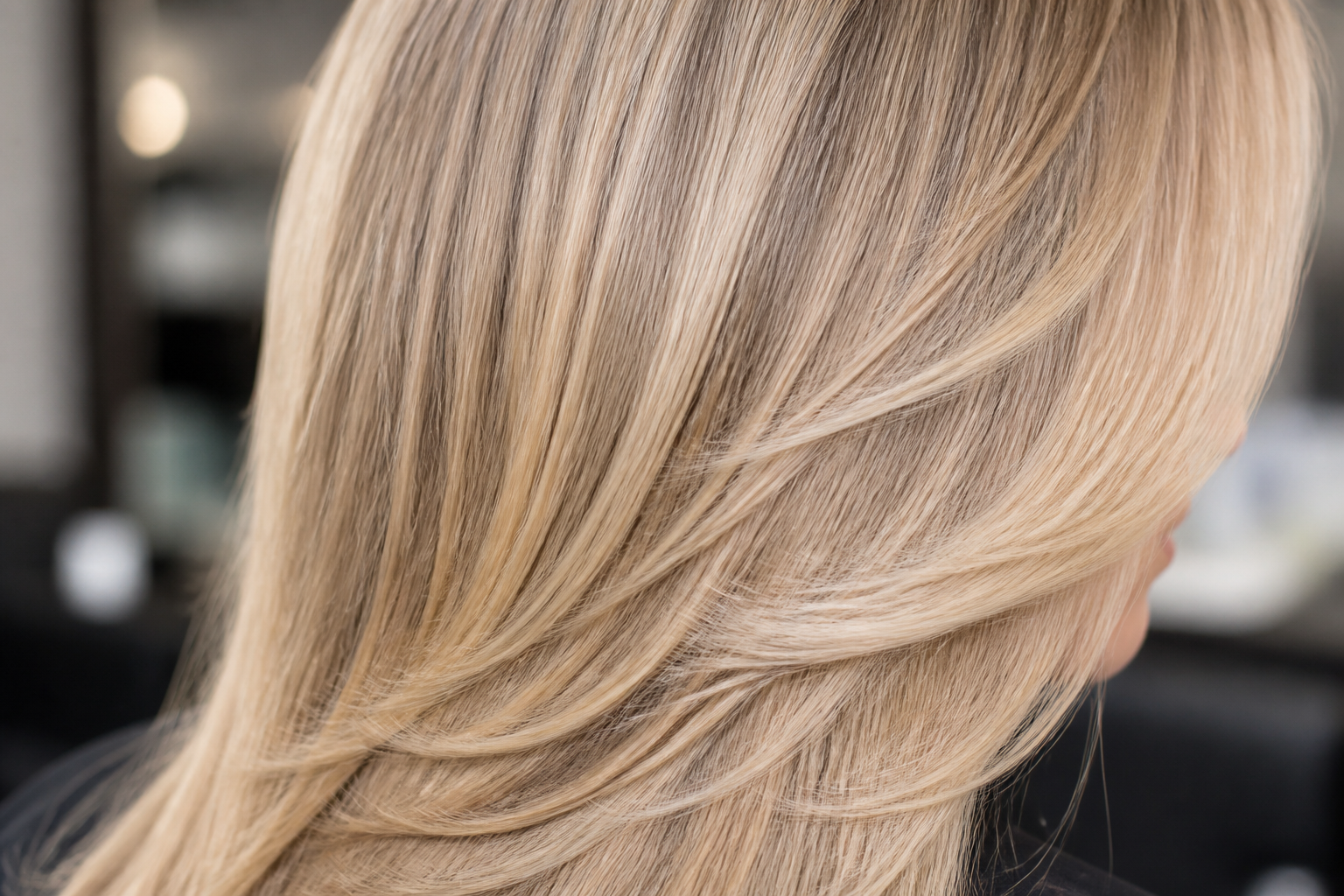
For fine natural hair, the best haircut for blending hair extensions involves soft, seamless layers that gently feather into your natural strands. Avoiding blunt cuts and opting for point cutting or slide cutting techniques creates a diffused edge, preventing any harsh lines and ensuring the Hair Type Extension Haircut looks completely natural. The goal is to distribute the extension weight evenly without stressing your fine hair.
How do you cut hair extensions to achieve a natural, seamless look?
Achieving a natural, seamless look when cutting hair extensions requires precision blending techniques. This includes starting with dry hair to see how the extensions naturally fall, using point cutting to soften ends, and slide cutting to remove bulk and create movement. A skilled stylist will also customize the Hair Type Extension Haircut to match your face shape and natural hair texture, ensuring a flawless transition from your hair to the extensions.
Why is it crucial to consider your natural hair type when getting an extension haircut?
Considering your natural hair type is crucial because it dictates the appropriate cutting techniques and how the extensions will blend. Fine hair needs gentle layering, while thick hair may require more aggressive texturizing to remove weight. Curly hair demands specialized dry cutting to match curl patterns. A tailored Hair Type Extension Haircut prevents extensions from looking chunky, unnatural, or causing damage to your natural hair.
Who specializes in cutting hair extensions to perfectly match different hair textures (e.g., curly, straight)?
Stylists who specialize in hair extensions and advanced cutting techniques are experts in matching different hair textures. They often have specific training in extension blending, dry cutting, and texturizing. Look for professionals with a strong portfolio showcasing their work with various hair types, including those experienced in crafting a flawless Hair Type Extension Haircut for curly, wavy, or straight textures.
What specific cutting techniques are used to blend permanent hair extensions?
Blending permanent hair extensions often involves several techniques: point cutting to soften the ends, slicing to create movement and remove weight, and slide cutting for a seamless gradient. Precision layering is key, especially around the face, to integrate the extensions with your natural hair’s length and density. The specific Hair Type Extension Haircut approach depends heavily on the extension method and your desired outcome.
Can you layer hair extensions without damaging them or making them look choppy?
Yes, you can layer hair extensions without damage or choppiness, but it requires expertise. The key is to use professional, sharp shears and advanced techniques like point cutting and deep notching. Avoid cutting straight across or using dull tools, as this can create blunt lines and damage the extension hair. A skilled Hair Type Extension Haircut ensures layers are soft, fluid, and seamlessly integrated.
Where can I find a salon that offers expert haircuts for tape-in hair extensions on my hair type?
To find a salon offering expert haircuts for tape-in hair extensions tailored to your hair type, look for salons specializing in extension services. Check their websites, social media, and client reviews for evidence of expertise in blending and styling extensions for various textures. Mariana Plaster Hair Extensions specializes in advanced, damage-free methods and offers customized Hair Type Extension Haircut services for a perfect blend.
How much does a professional haircut and blending service for hair extensions typically cost?
The cost of a professional haircut and blending service for hair extensions varies widely based on location, stylist experience, the complexity of the Hair Type Extension Haircut, and the number of extensions. Generally, prices can range from $100 to $300 or more. It’s best to schedule a consultation with your chosen salon, like Mariana Plaster Hair Extensions, for an accurate quote tailored to your specific needs.
Which hair types are most challenging to cut and blend with extensions?
Extremely fine, very curly, or highly damaged hair types can be the most challenging to cut and blend with extensions. Fine hair requires meticulous layering to avoid detection, curly hair needs precise dry cutting to match natural curl patterns, and damaged hair necessitates gentle handling to prevent further breakage. An expert in Hair Type Extension Haircut techniques can navigate these challenges effectively.
What is involved in a consultation for an extension haircut tailored to my specific hair?
An extension haircut consultation involves a thorough assessment of your natural hair type, texture, density, and desired style. The stylist will discuss your lifestyle, maintenance expectations, and evaluate the current state of your extensions. This collaborative session ensures the Hair Type Extension Haircut plan is perfectly customized to achieve your aesthetic goals while prioritizing hair health.
What types of haircuts are recommended for long hair extensions to maintain volume?
For long hair extensions to maintain volume, recommended haircuts include subtle, long layers strategically placed to create movement without sacrificing fullness. Incorporating face-framing layers can also enhance volume around the face. Avoiding heavy, blunt cuts at the bottom and opting for soft, V-shaped or U-shaped cuts helps to maintain density and prevent the Hair Type Extension Haircut from looking flat.
Are there any specific aftercare tips for maintaining an extension haircut based on hair type?
Aftercare for an extension haircut varies slightly by hair type. For fine hair, use lightweight products to avoid weighing extensions down. For curly hair, use curl-defining products and air dry or diffuse gently. All types benefit from heat protectants, gentle brushing, and regular moisturizing to keep the Hair Type Extension Haircut looking fresh. Regular trims are also crucial for maintaining the blended look.
Learn more from authoritative resources: Consumer Reports and HGTV.