
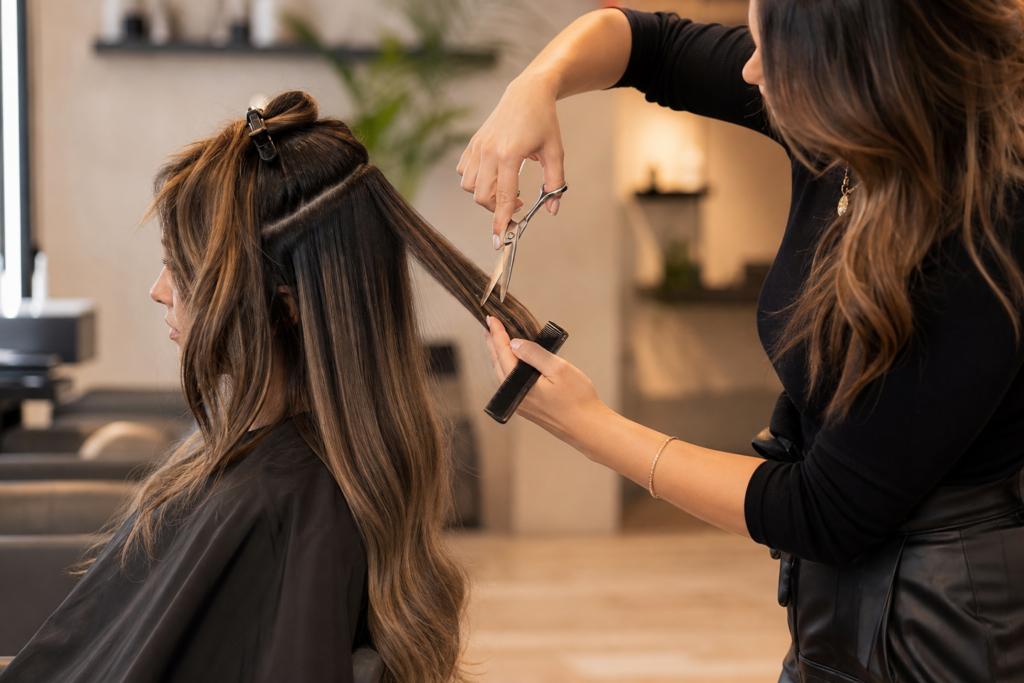
The pursuit of truly flawless hair extensions often comes down to one critical element: expert blending. Without the right approach, even the highest quality extensions can look unnatural or reveal tell-tale lines. This is where precise haircut strategies extensions become not just important, but absolutely essential. They are the secret weapon for achieving a seamless, integrated look that enhances your natural beauty without compromise.
In this comprehensive guide, we will unveil the ultimate secrets behind professional extension blending. We’ll explore the specific techniques that transform extensions into an undetectable part of your hair, detail what to expect from an expert stylist, and explain why a tailored cut is the foundation of long-lasting, beautiful results. Prepare to discover how the right haircut strategies extensions can elevate your style to an entirely new level of perfection.
Key Takeaways for Haircut Strategies Extensions
- Master the 8 ultimate haircut strategies extensions that ensure a flawless, undetectable blend with your natural hair.
- Understand why professional cutting techniques are crucial for seamless integration and preventing damage to your extensions.
- Learn how to identify an expert stylist specializing in haircut strategies extensions and what questions to ask.
- Discover essential maintenance tips and recommended styles that preserve the integrity and beauty of your blended extensions.
haircut strategies extensions: 8 Ultimate Blending Secrets
Understanding Haircut Strategies Extensions for Seamless Blending
Achieving a truly natural look with hair extensions goes far beyond simply attaching them. The real magic lies in the art of blending, and this is where specialized haircut strategies extensions come into play. A skilled stylist understands that extensions are not just added length or volume; they are an integral part of your overall hairstyle that must flow seamlessly with your natural hair.
Without proper cutting and shaping, extensions can appear bulky, choppy, or create visible lines where your natural hair ends and the extensions begin. This can detract significantly from the desired aesthetic, making the investment in extensions feel less rewarding. The goal of expert haircut strategies extensions is to eliminate these tell-tale signs, creating an illusion of natural growth and movement.
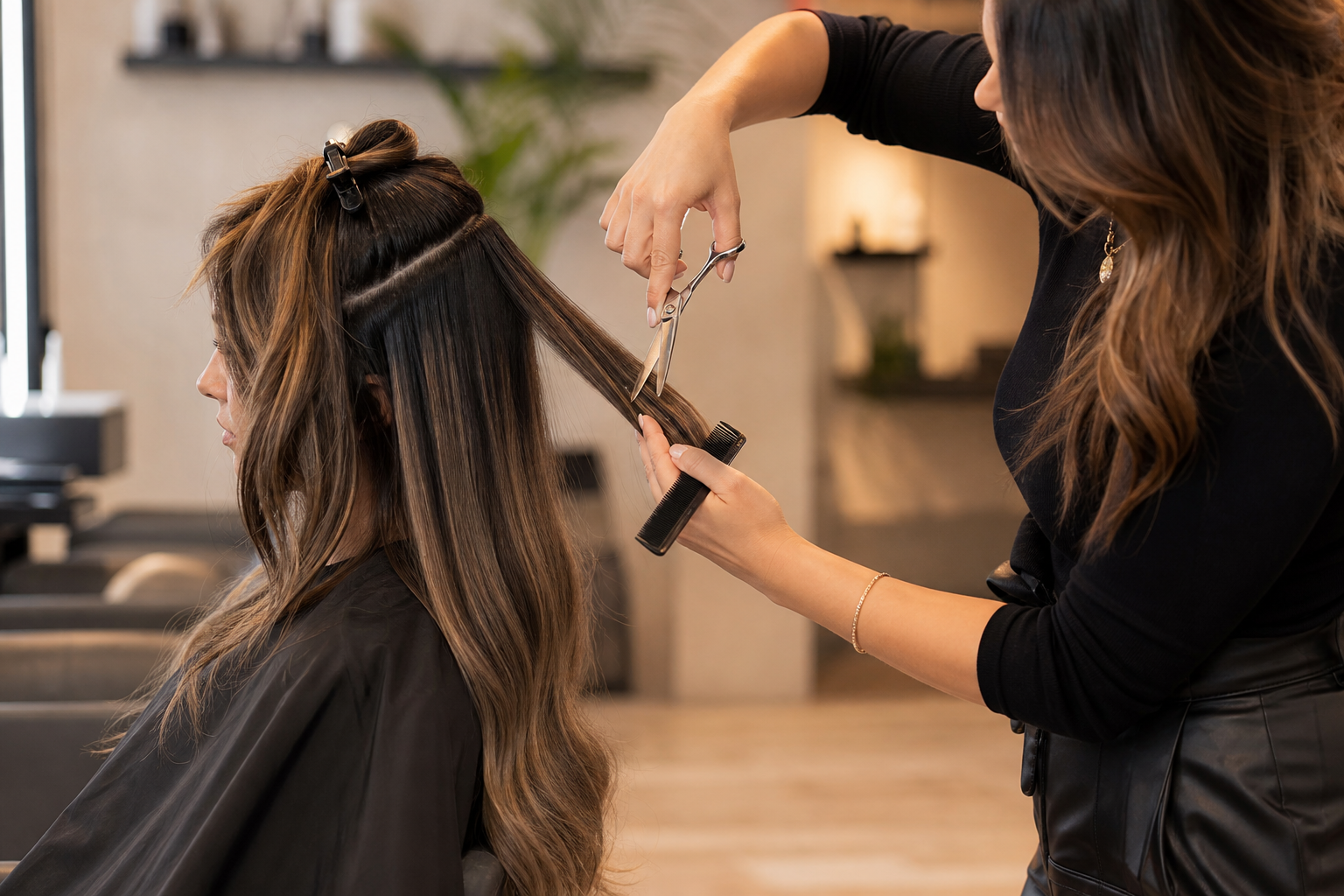
The Importance of Professional Haircut Strategies Extensions
Why is professional hair extension cutting important? The answer lies in precision and expertise. Unlike a standard haircut, cutting extensions requires a deep understanding of how different hair textures interact, how weight distribution affects the fall of the hair, and how to protect the integrity of the extension bonds. A professional stylist possesses the knowledge and tools to execute these intricate haircut strategies extensions.
They can assess your natural hair’s density, texture, and growth pattern, then tailor the extensions and the cut to complement these unique characteristics. This bespoke approach ensures that the extensions move and behave like your own hair, offering a natural and beautiful result. Attempting to cut extensions yourself can lead to irreversible damage and an unnatural appearance.
Why Extensions Need Unique Haircut Strategies Extensions
Why do extensions need different cutting approaches than natural hair? Extensions are not living hair growing from your scalp. They have fixed attachment points and often a different texture or density than your natural hair. This means traditional cutting methods may not be suitable. Specialized haircut strategies extensions account for these differences, focusing on integration rather than just shaping.
Stylists must consider the weight of the extensions, how they lay against the scalp, and how to create a gradual transition from your natural hair to the added length. This often involves techniques that soften lines and create movement, ensuring the extensions don’t look like a separate piece of hair. The unique nature of extensions demands a tailored approach to achieve seamless results.
8 Ultimate Haircut Strategies Extensions for Flawless Integration
Achieving truly flawless hair extensions requires more than just applying them; it demands a mastery of specialized cutting techniques. These haircut strategies extensions are designed to blend the added hair with your natural strands, creating an undetectable and beautiful result. Here are 8 ultimate secrets for seamless integration:
1. Point Cutting for Softness in Haircut Strategies Extensions
Point cutting is one of the best haircut techniques for blending extensions. Instead of cutting straight across, the stylist holds the scissors vertically and snips into the ends of the hair. This technique removes weight and creates a softer, more natural finish, preventing blunt lines that can expose extensions. It’s crucial for achieving a feathered look that integrates smoothly.
This method is particularly effective for softening the ends of both natural hair and extensions, allowing them to fall together more organically. It helps to break up any harsh edges, ensuring that the overall silhouette of the hair appears fluid and natural. Point cutting is a cornerstone of professional haircut strategies extensions.
2. Slide Cutting for Seamless Flow
Slide cutting involves gently sliding the shears down the hair shaft while slightly open. This technique creates a beautiful, seamless graduation of length and removes bulk without creating harsh steps. It’s ideal for blending layers and ensuring that the extensions flow effortlessly into your natural hair, especially around the face.
This method is excellent for creating a smooth, tapered effect that mimics natural hair growth. It allows the stylist to sculpt the hair with precision, ensuring that every strand contributes to a cohesive and polished look. Slide cutting is a sophisticated approach within haircut strategies extensions.
3. Layering for Seamless Haircut Strategies Extensions
How to blend layers with hair extensions seamlessly? Strategic layering is paramount. Layers should start within your natural hair and gradually extend into the extensions, creating a waterfall effect. This eliminates any distinct separation and ensures a natural flow. The layers should be soft and graduated, avoiding any
Unlock Seamless Haircut Strategies Extensions in Winter Garden, FL
Mariana Plaster Hair Extensions offers expert, damage-free blending tailored to your unique style. Experience the Evolution Hair Method for truly flawless results.
Frequently Asked Questions About Haircut Strategies Extensions
How to properly cut hair extensions?
Properly cutting hair extensions involves precise techniques to create a seamless blend with natural hair. Stylists typically use a dry cut method, allowing them to see how the hair falls naturally. Gradual layering and point cutting are key to avoiding blunt lines and ensuring a natural flow. The focus is always on blending, not just shortening.
What are the best haircut techniques for blending extensions?
The best blending techniques include point cutting, slide cutting, and razor cutting, used judiciously. These methods soften ends and create a natural taper. Layering is crucial, starting from the natural hair and gradually integrating the extensions to eliminate any visible lines. Mariana Plaster’s Evolution Hair Method emphasizes damage-free integration, which is ideal for seamless blending.
Why is professional hair extension cutting important?
Professional hair extension cutting is vital for a natural look and to prevent damage. An experienced stylist understands the unique texture and fall of extensions versus natural hair. They ensure the weight is distributed correctly and that cutting techniques do not compromise the extension bonds or the client’s own hair health.
Who are the best stylists for cutting hair extensions?
The best stylists for cutting hair extensions are those specifically trained and experienced in extension application and blending. Look for stylists with certifications in various extension methods and a portfolio showcasing their blending work. Mariana Plaster Hair Extensions, for instance, specializes in seamless extension integration.
Where can I get a haircut specifically for my hair extensions?
You should seek a salon that specializes in hair extensions. Many high-end salons offer this service, and extension specialists often provide the cut as part of the overall application or maintenance. Mariana Plaster Hair Extensions in Winter Garden, FL, offers expert haircut services tailored for extensions.
What styles are recommended for hair extensions after a cut?
After a professional cut for hair extensions, styles that showcase movement and natural flow are ideal. Soft waves, layered styles, and subtle updos often highlight the seamless blend. Avoid overly blunt cuts or styles that might expose the extension attachments.
How to blend layers with hair extensions seamlessly?
Blending layers seamlessly with hair extensions requires starting the layers within your natural hair and progressively extending them into the extensions. This creates a waterfall effect, eliminating any distinct separation. Point cutting and slide cutting techniques help soften the layer lines for an undetectable transition.
What haircut strategies prevent damage to hair extensions?
To prevent damage, haircut strategies should avoid cutting into the bonds or attachment points. Stylists use sharp shears to ensure clean cuts, preventing split ends on the extensions. Over-thinning should also be avoided, as it can compromise the integrity of the extension strands. The Evolution Hair Method prioritizes methods that maintain hair health.
Why do extensions need different cutting approaches than natural hair?
Extensions require different cutting approaches because they lack a natural root system and do not grow from the scalp. Their attachment points, varied textures, and fixed lengths demand specific blending techniques to integrate them with the growing natural hair. The goal is always integration, not just shaping.
How much does a haircut for hair extensions typically cost?
The cost of a haircut for hair extensions varies widely based on location, stylist experience, and the complexity of the blending required. It can range from $75 to $200 or more, often included in the initial extension application package or as a separate specialized service.
What tools do stylists use to cut hair with extensions?
Stylists use professional-grade shears, often point-cutting shears or texturizing shears, for precision and blending. Sometimes a razor might be used carefully for softening. A wide-tooth comb and sectioning clips are also essential for organizing and protecting the hair during the process.
Can hair extensions be cut at home, and what are the risks?
Cutting hair extensions at home is highly discouraged due to the high risk of uneven blending, damage to the extensions, and potentially exposing the attachment points. Without professional training and tools, it’s difficult to achieve a natural, seamless look, often leading to a choppy or damaged appearance.
Where to buy hair extension cutting shears online?
Professional hair extension cutting shears can be purchased from salon supply stores or reputable online retailers specializing in professional cosmetology tools. Brands like Kasho, Hattori Hanzo, and Joewell offer high-quality shears suitable for intricate cutting and blending.
What are common mistakes to avoid when cutting hair extensions?
Common mistakes include blunt cutting, cutting into the bonds, over-thinning, and not blending enough. Failure to consider the client’s natural hair growth pattern and desired style also leads to an unnatural look. A professional always ensures the cut complements the overall aesthetic.
How often should I trim my hair extensions to maintain their look?
Hair extensions typically don’t require frequent trimming like natural hair. Trims are usually done during maintenance appointments (every 6-8 weeks) to re-blend and address any minor split ends that may occur, ensuring the overall style remains polished and seamless.
Learn more from authoritative resources: Consumer Reports and HGTV.