
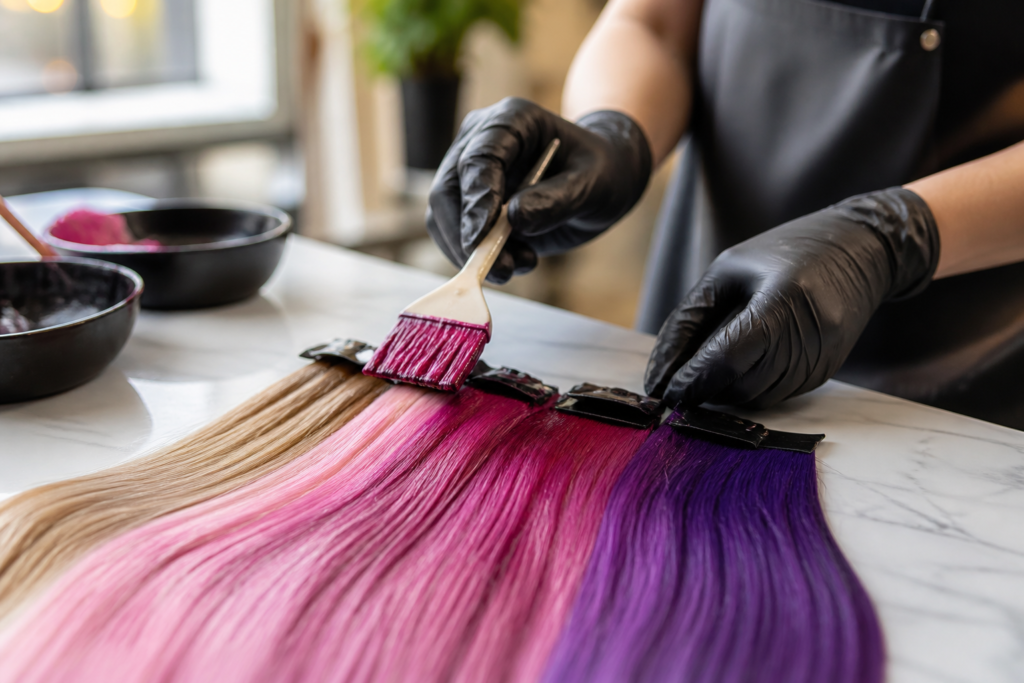
Your desire for vibrant, beautiful hair extensions should never come at the cost of their health. Achieving stunning color without damage requires a precise, informed approach. This is where safe extension coloring becomes not just a preference, but an absolute necessity. It is about understanding the unique properties of extension hair and applying expert techniques to preserve its integrity, luster, and longevity. Without careful consideration, coloring can quickly lead to dryness, breakage, and irreversible damage, turning a dream look into a costly mistake.
In this comprehensive guide, we will delve into the essential strategies for achieving vibrant, damage-free results. We’ll explore the critical differences between human and synthetic extensions, demystify the safest dye choices, and provide actionable tips to protect your investment. Whether you’re considering a subtle refresh or a dramatic transformation, this guide will equip you with the knowledge to ensure your extensions remain as beautiful and healthy as the day you got them. Discover the secrets to maintaining flawless color and extending the life of your gorgeous hair.
Key Takeaways
- Master the fundamental principles of safe extension coloring to prevent damage and maintain hair health.
- Learn to differentiate between human and synthetic extensions, understanding which can be colored and which cannot.
- Discover the best non-damaging hair dyes and techniques for achieving vibrant, lasting color results.
- Understand the crucial role of professional expertise in safeguarding your extensions during the coloring process.
Understanding Your Extensions: The First Step to Safe Extension Coloring
The foundation of any successful safe extension coloring process lies in a thorough understanding of the extensions themselves. Not all hair extensions are created equal, and their composition dictates whether they can be colored, and if so, how. Attempting to color the wrong type of extension can lead to disastrous, irreversible damage, wasting both your time and money. This initial assessment is paramount to achieving vibrant, damage-free results.
Before you even consider applying dye, it is crucial to identify the material of your extensions. This knowledge will guide every subsequent decision, from product selection to application technique. Making an informed choice at this stage is the most important protective step you can take to ensure the longevity and beauty of your investment.
Can All Types of Hair Extensions Be Colored Safely?
No, not all types of hair extensions can be colored safely. This is a critical distinction that many individuals overlook, leading to significant disappointment. The ability to color extensions primarily depends on whether they are made of 100% human hair or synthetic fibers. This fundamental difference dictates the chemical processes they can withstand.
Only 100% human hair extensions can be dyed using traditional hair color products. These extensions behave much like your natural hair because they are, in fact, real human hair. They have a cuticle layer that can be opened to accept color molecules, allowing for a wide range of coloring possibilities, including lightening and darkening. However, even with human hair, specific precautions are necessary for truly safe extension coloring.
How to Safely Dye Synthetic Hair Extensions?
The unfortunate truth is that synthetic hair extensions generally cannot be dyed safely with traditional hair color. Synthetic fibers are typically made from plastic-based materials, such as acrylic or polyester. These materials do not have a cuticle and are not designed to absorb chemical dyes. Applying traditional hair dye to synthetic extensions will likely result in the color not taking, or worse, melting, frizzing, or permanently damaging the fibers.
For synthetic extensions, your options for changing color are extremely limited. Some specialized fabric dyes or markers designed for synthetic materials might offer a temporary, superficial change, but these are rarely recommended for hair extensions due to potential texture changes and uneven results. The safest approach for synthetic extensions is to purchase them in the desired color from the outset. Attempting chemical safe extension coloring on synthetic hair is a risk not worth taking.
Ready for Safe Extension Coloring in Winter Garden?
Mariana Plaster Hair Extensions offers expert, damage-free coloring services using advanced techniques to ensure vibrant, lasting results for your extensions.
Choosing the Right Dye for Safe Extension Coloring
Once you have confirmed that your extensions are 100% human hair, the next crucial step in achieving safe extension coloring is selecting the appropriate dye. The market is flooded with various hair color products, but not all are suitable for the delicate nature of extensions. Making the right choice here can significantly impact the health and appearance of your extensions, ensuring a vibrant, damage-free result.
Extensions, unlike the hair growing from your scalp, do not receive natural oils and nutrients. This makes them more susceptible to dryness and damage from harsh chemicals. Therefore, prioritizing gentler formulas and specialized products is paramount. This careful selection is a cornerstone of effective extension care.
Why Is It Crucial to Use Specialized Products for Extension Coloring?
It is crucial to use specialized products for extension coloring because extensions lack the continuous supply of natural oils (sebum) that your scalp provides to your natural hair. This means they are inherently drier and more fragile than your growing hair. Traditional hair dyes, especially permanent ones, often contain strong chemicals like ammonia and peroxide that can be overly harsh on extensions, leading to severe dryness, brittleness, and breakage.
Specialized products for extensions are formulated with gentler ingredients, lower ammonia levels (or are ammonia-free), and often include conditioning agents and pH balancers. These formulations are designed to deposit color effectively while minimizing damage to the extension’s cuticle and internal structure. Using these tailored products is a non-negotiable step for truly safe extension coloring.
What Are the Best Non-Damaging Hair Dyes for Human Hair Extensions?
For human hair extensions, semi-permanent and demi-permanent dyes are generally the best non-damaging options. These dyes work by depositing color onto the hair’s surface or just beneath the cuticle, rather than deeply penetrating and altering the hair’s natural pigment structure. This gentler action preserves the integrity of the extension hair, maintaining its softness and shine.
Semi-permanent dyes are ammonia-free and peroxide-free, offering a temporary color change that fades over several washes. Demi-permanent dyes contain a low volume of peroxide but no ammonia, providing a longer-lasting color that gradually fades without a harsh line of demarcation. When aiming for safe extension coloring, these options are far superior to permanent dyes, which should only be considered by professionals for specific, controlled transformations.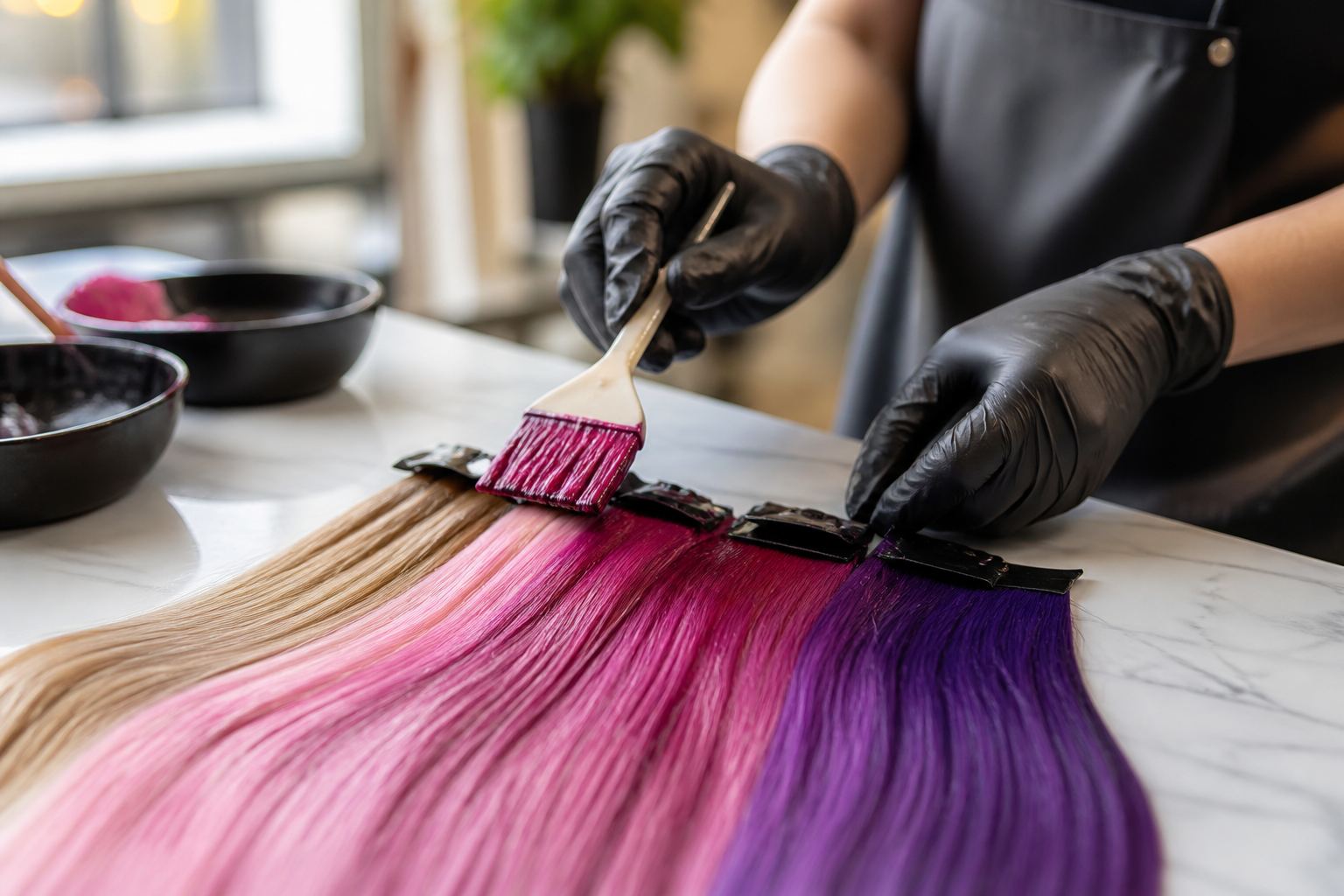
5 Powerful Tips for Damage-Free Safe Extension Coloring
Achieving beautiful, vibrant color on your hair extensions without causing damage is entirely possible with the right approach. These five powerful tips form the cornerstone of safe extension coloring, ensuring your extensions remain healthy, lustrous, and long-lasting. By following these guidelines, you can confidently transform your look while protecting your investment.
Tip 1: Always Conduct a Strand Test
This is perhaps the most critical step in any extension coloring process. Before applying dye to the entire set of extensions, always perform a strand test on a small, inconspicuous piece. This allows you to assess how the color will take, how long it needs to process, and whether there are any adverse reactions, all without risking your entire investment. A successful strand test is your roadmap to perfect results and truly safe extension coloring.
Tip 2: Prioritize Darkening Over Lightening
When it comes to coloring extensions, it is always safer to go darker than to attempt to lighten them. Extensions have often undergone previous chemical processing, making them more fragile than virgin hair. Lightening, especially bleaching, is a highly aggressive chemical process that strips the hair of its pigment. This can lead to severe dryness, breakage, and an undesirable brassy tone.
If you must lighten extensions, seek professional help. A skilled colorist understands the nuances of working with pre-processed hair and can minimize damage. For at-home attempts, sticking to darker shades or depositing color is a much safer bet for safe extension coloring.
Tip 3: Avoid the Bonds and Attachments
Whether your extensions are tape-ins, fusion, micro-links, or clip-ins, it is crucial to keep hair dye away from the bonds or attachment points. Dye can weaken the adhesive in tape-ins, compromise the integrity of keratin bonds, or stain the metal of micro-rings. This can lead to premature shedding, slippage, or damage to your natural hair. Apply color carefully, starting a few centimeters away from the attachment points to ensure safe extension coloring.
Tip 4: Use a Deep Conditioning Treatment Post-Coloring
Hair extensions, even human hair, require intense moisture, especially after a chemical process like coloring. Immediately after rinsing out the dye, apply a rich, deep conditioning treatment or a hair mask. Leave it on for the recommended time, or even longer, to allow the nutrients to penetrate deeply. This step helps to replenish lost moisture, seal the cuticle, and restore the hair’s softness and shine, which is vital for maintaining healthy extensions.
Tip 5: Air Dry or Use Low Heat
Heat styling can exacerbate dryness and damage, particularly on freshly colored extensions. After coloring, whenever possible, allow your extensions to air dry completely. If you must use heat, opt for the lowest possible setting and always apply a heat protectant spray. Excessive heat can fade your new color faster and lead to irreversible damage, undermining all your efforts toward safe extension coloring.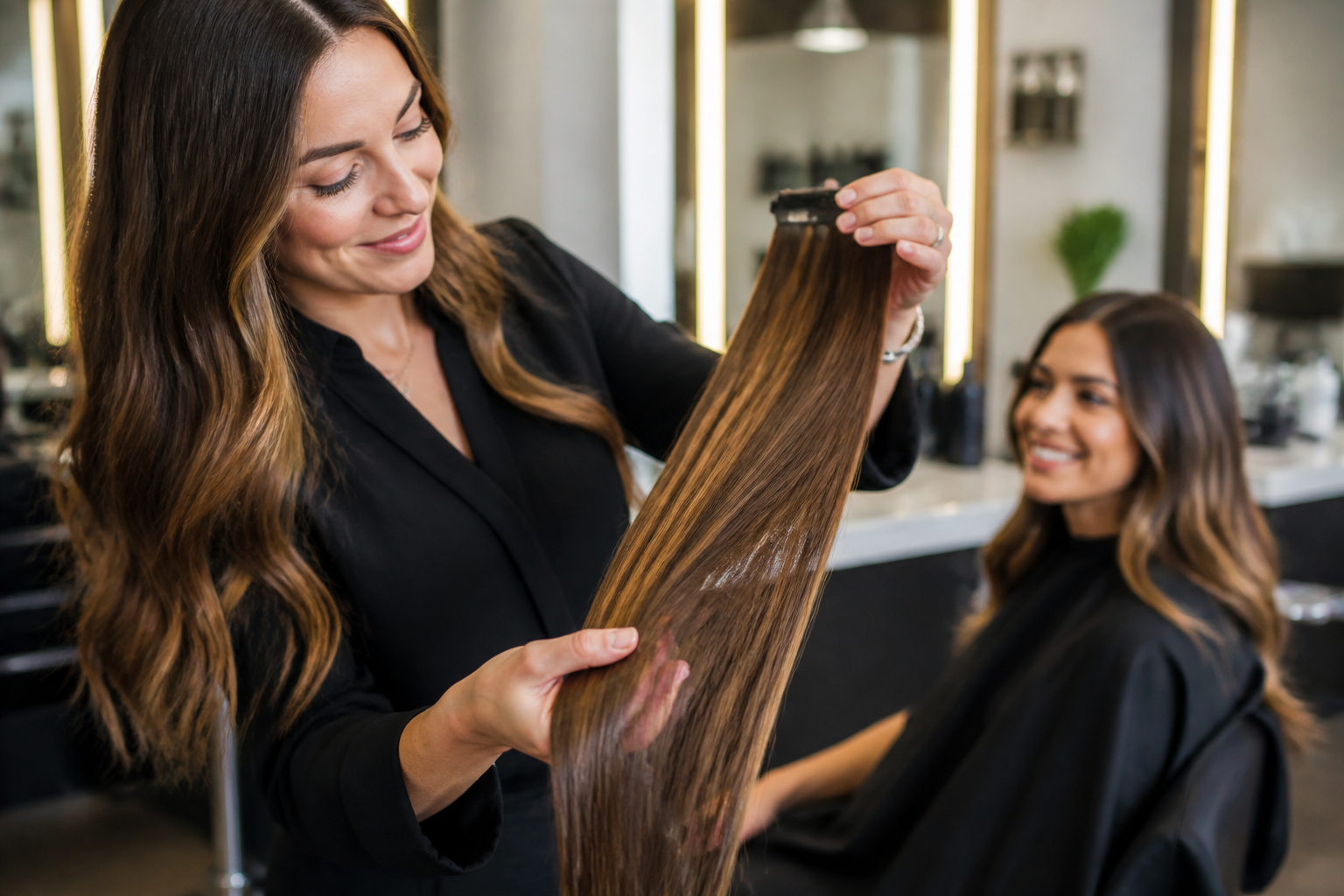
The Risks of Unsafe Extension Coloring Practices
Ignoring the principles of safe extension coloring can lead to a host of undesirable outcomes, ranging from aesthetic disappointments to severe, irreversible damage. The allure of a new color can sometimes overshadow the importance of proper technique and product selection, but the consequences of cutting corners can be significant, impacting both the appearance and lifespan of your extensions.
Understanding these potential risks is crucial for making informed decisions and appreciating why a careful, professional approach is always recommended. Protecting your investment means being aware of what can go wrong when proper care is not taken during the coloring process.
What Are the Potential Risks of Unsafe Extension Coloring Practices?
Unsafe extension coloring practices can lead to several severe risks. The most common issues include extreme dryness and brittleness, where the hair loses its natural moisture and becomes straw-like. This often progresses to breakage, as the weakened strands snap easily. Color blotchiness and uneven results are also frequent problems, leaving extensions with an unprofessional, patchy appearance.
Beyond the hair itself, unsafe practices can damage the extension bonds, causing slippage or premature detachment. The extensions may also lose their natural luster and softness, becoming dull and tangled. Ultimately, these risks significantly shorten the lifespan of your extensions, turning a desired transformation into a costly and frustrating experience. Prioritizing safe extension coloring is the only way to mitigate these dangers.
Is Bleaching Hair Extensions Ever a Safe Option?
Bleaching hair extensions is generally risky and should be approached with extreme caution, ideally by a professional. Bleaching is a highly damaging chemical process that strips the hair of its natural pigment. This process can be particularly harsh on extensions, which have often been pre-processed and are already more fragile than natural hair.
The risks include severe dryness, brittleness, breakage, and an undesirable brassy or orange tone, especially if not done correctly. For pre-colored or lower-quality extensions, bleaching can lead to irreversible damage, making the hair unmanageable. While it is technically possible, it is rarely a truly
Your Questions About Safe Extension Coloring, Answered
What is the safest way to color hair extensions without damage?
The safest way involves using semi-permanent or demi-permanent dyes, conducting a strand test, avoiding the extension bonds, and seeking a professional experienced in safe extension coloring. Always prioritize low-ammonia or ammonia-free formulas and deep conditioning treatments to maintain moisture and integrity.
Can all types of hair extensions be colored safely?
No, not all types of hair extensions can be colored safely. Only 100% human hair extensions can be dyed with traditional hair color products. Synthetic extensions are typically made from plastic fibers and will melt or be damaged by chemical dyes. Always verify the extension material before attempting any coloring process.
Why is it crucial to use specialized products for extension coloring?
Specialized products are crucial because hair extensions do not receive natural oils from the scalp, making them more susceptible to damage from harsh chemicals. These products are formulated with gentler ingredients, conditioning agents, and pH balancers that protect the extension’s structure and prolong its lifespan, ensuring vibrant, safe extension coloring.
What are the best non-damaging hair dyes for human hair extensions?
For human hair extensions, semi-permanent or demi-permanent dyes are generally the best non-damaging options. They deposit color without extensively altering the hair’s cuticle, preserving its health and shine. Look for products enriched with nourishing oils and proteins. Permanent dyes should be used with extreme caution and preferably by a professional.
Is bleaching hair extensions ever a safe option?
Bleaching hair extensions is generally risky and should be approached with extreme caution, ideally by a professional. Bleaching is a highly damaging chemical process that strips the hair of its natural pigment, potentially leading to dryness, breakage, and irreversible damage, especially for pre-colored or lower-quality extensions.
How do I choose a professional for safe extension coloring?
To choose a professional for safe extension coloring, look for stylists with specialized training and extensive experience in coloring extensions. Check their portfolio for examples of their extension work, read client reviews, and ensure they use high-quality products and perform strand tests. A reputable salon like Mariana Plaster Hair Extensions specializes in damage-free methods.
What are the potential risks of unsafe extension coloring practices?
Unsafe extension coloring practices can lead to several risks, including severe dryness, brittleness, breakage, color blotchiness, and damage to the extension bonds. The extensions may also lose their natural luster and softness, significantly shortening their lifespan and causing a poor aesthetic outcome.
Can I safely color my own clip-in hair extensions at home?
While it’s technically possible to color clip-in extensions at home if they are 100% human hair, it carries risks. Achieving an even, damage-free result requires specific knowledge of color theory, product application, and aftercare for extensions. For the best and safest outcome, professional safe extension coloring is highly recommended.
Learn more from authoritative resources: Consumer Reports and HGTV.