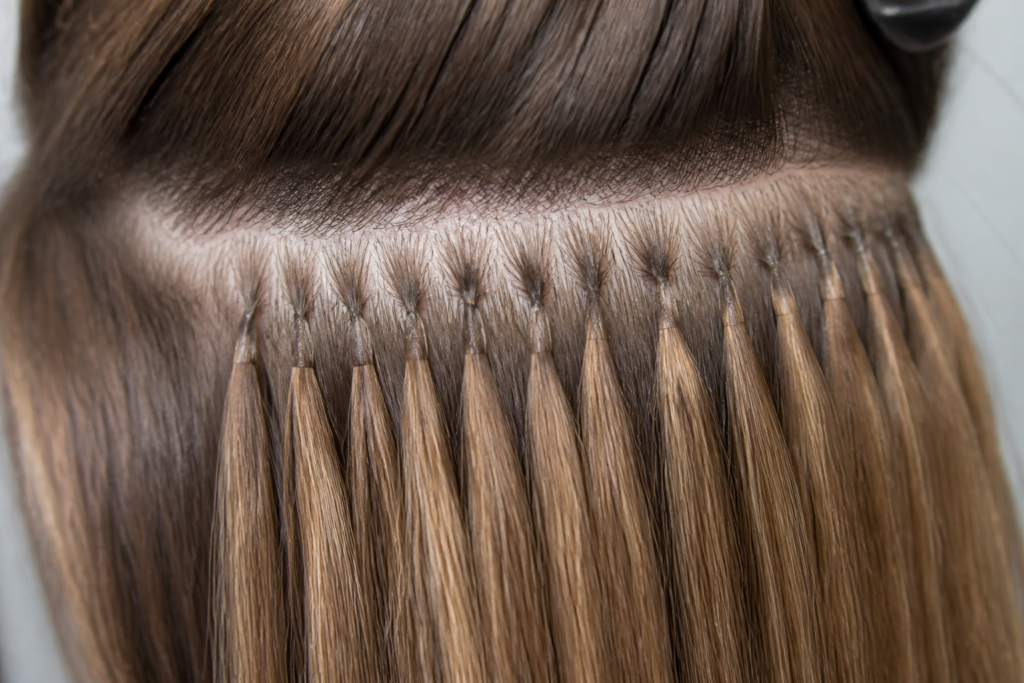
The desire for luscious, voluminous hair often leads many to explore the world of hair extensions. While extensions can dramatically enhance your look, maintaining optimal scalp health extensions is paramount for both comfort and the longevity of your style. Neglecting your scalp can lead to irritation, discomfort, and even damage to your natural hair. This comprehensive guide will unveil 4 ultimate secrets for achieving amazing scalp health while wearing dermatologist-trusted extensions, ensuring your beauty regimen supports your well-being.
We will delve into choosing the right extension methods, establishing a diligent daily care routine, recognizing early signs of issues, and the invaluable role of professional guidance. By understanding these principles, you can enjoy stunning hair without compromising the health of your scalp.
Key Takeaways
- Discover how selecting the right, scalp-friendly extension method is the first ultimate secret to preventing irritation and maintaining comfort.
- Learn the essential daily care practices that form the second ultimate secret for preserving hygiene and preventing buildup around your scalp health extensions.
- Understand the critical signs of scalp discomfort or reaction, empowering you with the third ultimate secret: early detection and intervention.
- Recognize the importance of professional expertise and dermatologist-trusted advice, the fourth ultimate secret, for long-term scalp health extensions success.
Understanding Scalp Health Extensions: The Foundation of Care
Your journey to beautiful, extended hair begins with a crucial understanding: the impact of extensions on your scalp. The first ultimate secret to amazing scalp health extensions is making informed choices about the type and application method. Not all extensions are created equal, especially when it comes to scalp sensitivity and overall hair health. A healthy scalp is the bedrock for healthy hair, and this principle holds true even with extensions.
When considering extensions, it is vital to prioritize methods that minimize tension and allow your scalp to breathe. Improperly installed extensions can lead to a range of issues, from mild irritation to more severe conditions like traction alopecia. By understanding how different methods interact with your natural hair and scalp, you can make decisions that support long-term well-being.
How Hair Extensions Impact Overall Scalp Health
Hair extensions, when applied correctly, should not negatively impact your overall scalp health. However, if they are too heavy, too tight, or if the attachment points are poorly managed, they can cause significant strain on your hair follicles. This strain can lead to inflammation, itching, and even hair breakage or loss at the root. Maintaining good hygiene around the attachment sites is also crucial to prevent product buildup, which can clog follicles and lead to further irritation. The goal is to ensure your scalp health extensions remain a source of confidence, not discomfort.
Best Hair Extensions for Sensitive Scalps
For individuals with sensitive scalps, selecting the right extension method is paramount. Methods that distribute weight evenly and avoid harsh adhesives or excessive tension are generally preferred. Options like tape-in extensions, micro-links, or hand-tied wefts (when applied by an expert) can be gentler. The Evolution Hair Method, for instance, is often highlighted for its dermatologist-trusted approach, utilizing a lightweight, handmade canvas that minimizes stress on the scalp. This method prioritizes the integrity of your natural hair and promotes excellent scalp health extensions.
Identifying Scalp-Friendly Extension Methods
Identifying scalp-friendly extension methods involves looking for several key characteristics. First, the method should avoid excessive pulling or tension on individual hair strands. Second, the materials used, including adhesives or beads, should be hypoallergenic and lightweight. Third, the application process should allow for natural hair growth and easy access for cleansing the scalp. Always consult with a certified extension specialist who can assess your hair and scalp type to recommend the most suitable and gentle option for your scalp health extensions. A thorough consultation ensures that your chosen method aligns with your scalp’s specific needs.
Experience Optimal Scalp Health with Our Evolution Hair Extensions
Mariana Plaster Hair Extensions offers dermatologist-trusted, damage-free methods designed to protect your natural hair and scalp while delivering stunning, long-lasting results.
Mastering Daily Scalp Health Extensions Maintenance
Once you have chosen the ideal extension method, the second ultimate secret to amazing scalp health extensions lies in your daily maintenance routine. Proper care is not just about keeping your extensions looking good; it is fundamentally about preserving the health and integrity of your natural scalp. A diligent routine prevents common issues like product buildup, dryness, and irritation, ensuring a comfortable and healthy experience throughout the lifespan of your extensions.
Regular, gentle cleansing and conditioning are vital, but the technique differs significantly from caring for natural hair alone. You must adapt your approach to protect the attachment points and ensure your scalp receives the attention it needs. This proactive care will make a significant difference in preventing discomfort and maintaining a pristine environment for your hair.
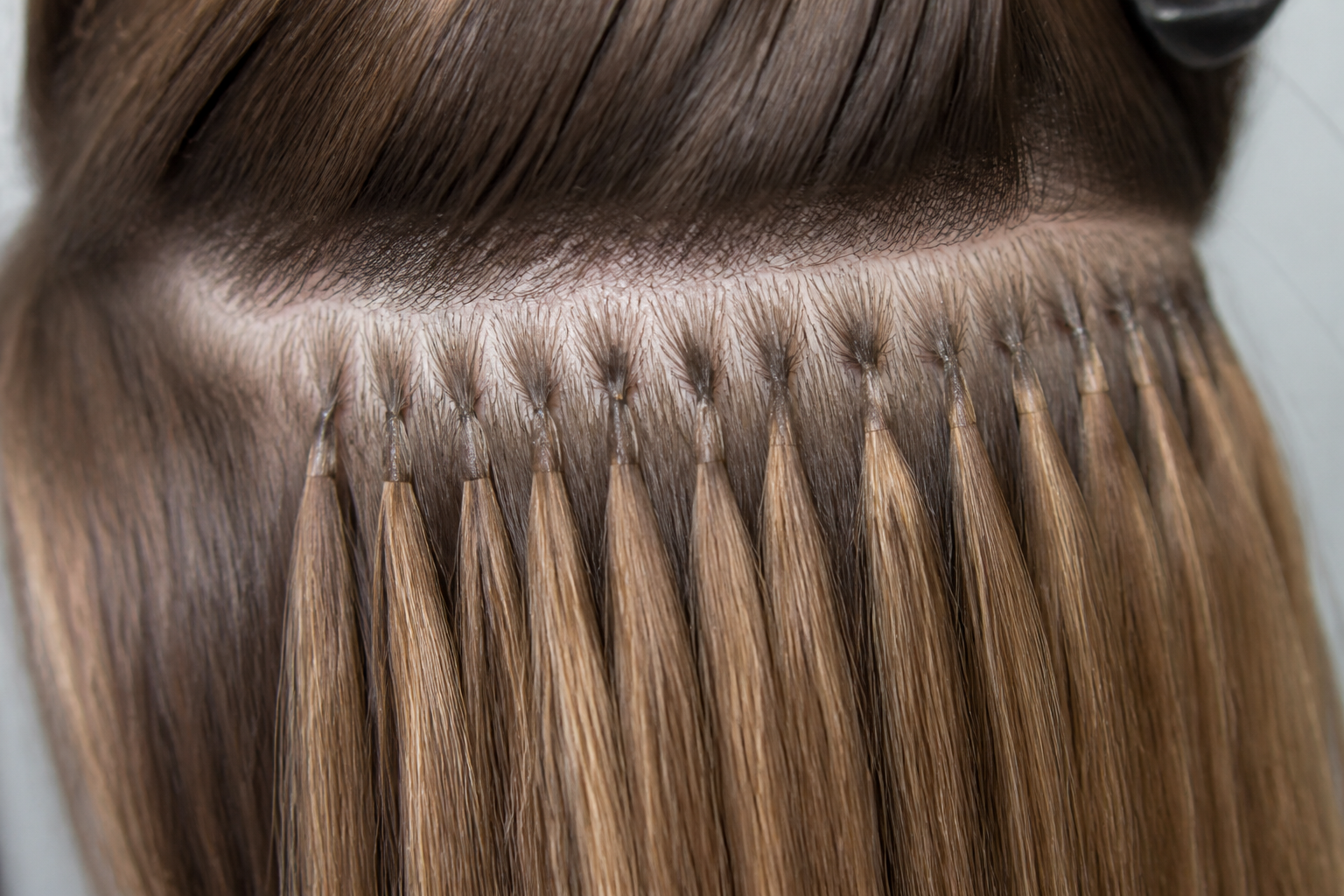
Essential Scalp Care for Hair Extensions
Essential scalp care with extensions involves a delicate balance. Use sulfate-free and paraben-free shampoos and conditioners to avoid stripping natural oils or causing irritation. When washing, gently massage the scalp around the attachment points with your fingertips, rather than scrubbing vigorously. Rinse thoroughly to prevent any residue buildup. It is also crucial to ensure your scalp and extension attachment points are completely dry after washing, as dampness can lead to bacterial growth or mildew. A cool setting on your hairdryer can be beneficial for this. These steps are fundamental for maintaining optimal scalp health extensions.
Recommended Products for Scalp Health with Extensions
Choosing the right products is a game-changer for scalp health extensions. Opt for lightweight, non-comedogenic formulas that won’t clog pores or leave heavy residue. Look for ingredients like aloe vera, tea tree oil, or salicylic acid in scalp serums or gentle shampoos, as these can soothe irritation and combat flakiness. Avoid heavy oils or conditioners directly on the scalp, especially near attachment points, as they can loosen bonds or cause buildup. A leave-in conditioner applied to the mid-lengths and ends of the extensions can keep them hydrated without affecting the scalp.
Preventing Scalp Irritation with Hair Extensions
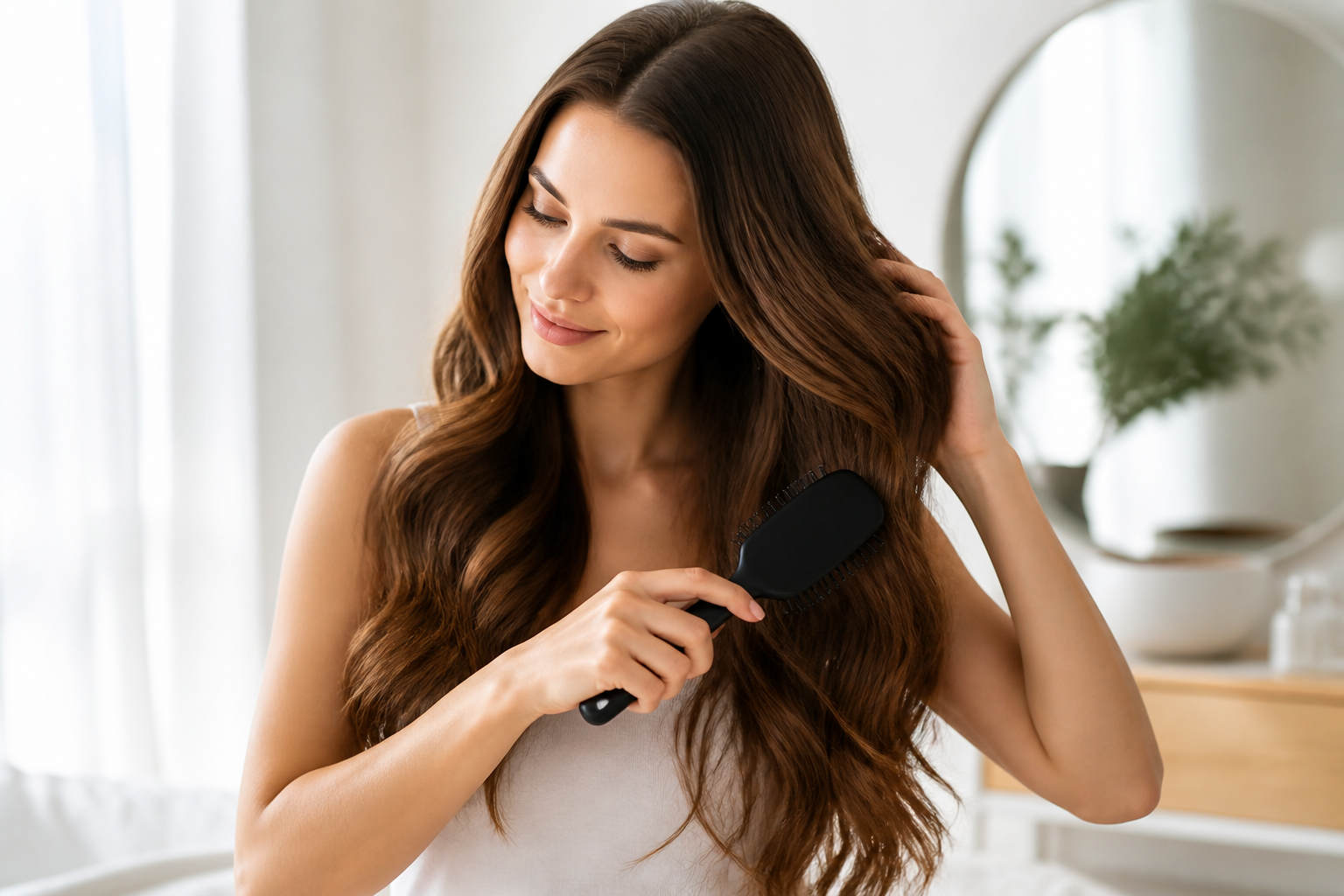
Preventing scalp irritation is a key aspect of maintaining healthy scalp health extensions. Beyond gentle washing and product selection, avoid excessive pulling or styling that puts strain on your roots. Brush your hair gently, starting from the ends and working your way up, using a brush specifically designed for extensions. Never go to bed with wet hair, as this can create a breeding ground for bacteria and lead to itching. Regular, professional maintenance appointments are also crucial to ensure your extensions are adjusted as your natural hair grows, preventing undue tension. For more information on proper hair care, you can refer to resources like the American Academy of Dermatology Association’s hair care basics.
Recognizing and Addressing Scalp Health Extensions Issues
Even with the best intentions and diligent care, issues can sometimes arise with scalp health extensions. The third ultimate secret is the ability to recognize and promptly address any negative reactions or conditions. Early detection is crucial for preventing minor problems from escalating into more significant concerns that could impact both your scalp and the longevity of your extensions. Being attuned to your body’s signals is a powerful tool in maintaining well-being.
Understanding the difference between normal adjustment and actual irritation is key. New extensions might feel a little tight for a day or two, but persistent discomfort is a red flag. Knowing what to look for and when to seek professional advice will empower you to take swift action and protect your scalp’s health.
Signs of Negative Reaction to Scalp Health Extensions
It is important to be vigilant for signs of a negative reaction to your scalp health extensions. Persistent itching, redness, tenderness, or pain at the attachment sites are clear indicators that something is amiss. You might also notice small bumps, excessive flakiness, or even a foul odor. These symptoms should not be ignored. If you experience any of these, it is crucial to contact your extension specialist immediately. They can assess the situation and determine if an adjustment, removal, or specific treatment is necessary to restore comfort and health.
Managing Dandruff and Psoriasis with Scalp Health Extensions
For individuals with pre-existing scalp conditions like dandruff or psoriasis, wearing scalp health extensions requires extra caution and management. Extensions can potentially exacerbate these conditions if proper hygiene is not maintained or if the scalp becomes irritated. It is vital to consult with both a dermatologist and an experienced extension specialist before getting extensions. They can advise on the most suitable extension method and recommend specific products or treatments to keep your condition under control. Gentle, medicated shampoos and targeted scalp treatments may be necessary, applied carefully to avoid disturbing the extension bonds.
When to Avoid Scalp Health Extensions
There are certain situations where it is best to avoid scalp health extensions altogether or at least postpone them. If you are experiencing active scalp infections, severe inflammation, excessive hair shedding, or open sores on your scalp, extensions could worsen these conditions. Individuals undergoing chemotherapy or those with very fragile hair should also exercise extreme caution. Always prioritize the health of your natural hair and scalp over temporary aesthetic enhancements. A professional stylist will conduct a thorough consultation to determine if you are a suitable candidate, ensuring your safety and well-being.
Professional Guidance for Optimal Scalp Health Extensions
The fourth and arguably most ultimate secret to amazing scalp health extensions is partnering with professionals. The expertise of a certified extension specialist and, when necessary, a dermatologist, is invaluable. They possess the knowledge and skills to recommend the best methods, ensure proper application, and guide you through effective maintenance and troubleshooting. Attempting DIY extension application or neglecting professional check-ups can lead to irreversible damage and discomfort.
Professional guidance extends beyond the initial installation. Regular maintenance appointments are crucial for adjusting extensions as your hair grows, preventing matting, and allowing your stylist to assess your scalp’s condition. This ongoing partnership ensures that your extensions remain beautiful and your scalp remains healthy.
Finding Salons Specializing in Scalp-Safe Hair Extension Application
Finding a salon that specializes in scalp-safe hair extension application is critical for your scalp health extensions. Look for stylists who are certified in multiple extension methods and who prioritize client education on scalp care. Read reviews, ask for consultations, and inquire about their experience with sensitive scalps or specific scalp conditions. A reputable salon will conduct a thorough assessment of your natural hair and scalp before recommending any method, ensuring that the chosen technique is truly gentle and appropriate for your needs. Do not hesitate to ask about their hygiene protocols and aftercare support.
The Role of Dermatologist-Trusted Scalp Health Extensions
For those with particularly sensitive scalps or pre-existing conditions, dermatologist-trusted scalp health extensions are a game-changer. This means working with stylists who either have direct dermatological training or who collaborate closely with dermatologists to ensure their methods and products are safe and beneficial for scalp health. Such specialists understand the nuances of various scalp conditions and can offer tailored advice to prevent irritation and promote healing. They often utilize methods like the Evolution Hair Method, which has been developed with dermatological principles in mind to minimize tension and chemical exposure.
The Cost of Scalp-Friendly Hair Extension Installations
Investing in scalp-friendly scalp health extensions is an investment in your overall hair and scalp health. The cost can vary significantly based on the method chosen, the length and volume of hair desired, the quality of the hair extensions themselves, and the expertise of the stylist. Generally, methods that are gentler on the scalp and require specialized application techniques, such as hand-tied wefts or the Evolution Hair Method, may have a higher initial cost. However, this investment often pays off in terms of comfort, reduced risk of damage, and the longevity of both your extensions and your natural hair health. Always get a detailed quote during your consultation.
Maintaining optimal scalp health extensions is a journey that requires thoughtful choices and consistent care. By embracing these 4 ultimate secrets – choosing wisely, maintaining diligently, detecting issues early, and seeking professional guidance – you can confidently enjoy the transformative beauty of hair extensions without compromising your scalp’s well-being. Prioritizing your scalp health ensures that your extended hair not only looks stunning but also feels comfortable and supports the vitality of your natural hair underneath. Remember, a healthy scalp is the foundation for truly beautiful hair.
Frequently Asked Questions About Scalp Health Extensions
What are the best hair extensions for sensitive scalps?
For sensitive scalps, methods that minimize tension, use gentle adhesives, and avoid harsh tools are best. The Evolution Hair Method, for instance, is dermatologically trusted for its damage-free, lightweight application.
How do hair extensions impact overall scalp health?
When applied incorrectly or without proper care, extensions can strain hair follicles, leading to irritation, inflammation, or even hair loss. However, with scalp-friendly methods and diligent maintenance, extensions can be worn without negatively impacting scalp health.
Can hair extensions cause scalp irritation or inflammation?
Yes, poor installation, excessive tension, or allergic reactions to adhesives can cause irritation, itching, or inflammation. Choosing a professional stylist and a gentle extension method like the Evolution Hair Method can significantly reduce these risks.
What types of hair extensions are considered scalp-friendly?
Methods that use minimal points of attachment, gentle tapes, or a canvas base, like the Evolution Hair Method, are generally considered scalp-friendly. These techniques avoid heavy pulling and sharp tools, prioritizing scalp comfort.
Why is proper scalp care essential when wearing extensions?
Proper scalp care is crucial to prevent product buildup, maintain hygiene, and ensure the longevity of your extensions while keeping your scalp healthy. It helps avoid issues like itching, dryness, or flakiness.
How can I maintain a healthy scalp while wearing hair extensions?
Maintain a healthy scalp by using sulfate-free shampoos, gently cleansing around attachment points, avoiding heavy conditioners near the scalp, and ensuring thorough drying. Regular, professional maintenance is also key.
Are there specific hair extension methods known to be gentler on the scalp?
Yes, the Evolution Hair Method, utilized by Mariana Plaster Hair Extensions, is specifically designed to be gentle. It involves a handmade canvas and strategic, lightweight application to prevent tension and irritation on the scalp.
What products are recommended for scalp health with extensions?
Look for lightweight, non-comedogenic, sulfate-free shampoos and conditioners. Scalp serums with soothing ingredients like aloe vera or tea tree oil can also be beneficial, applied sparingly and carefully.
How do I know if my scalp is reacting negatively to my hair extensions?
Signs of a negative reaction include persistent itching, redness, tenderness, bumps, excessive flakiness, or pain at the attachment sites. If these symptoms occur, consult your stylist immediately.
Can extensions worsen scalp conditions like dandruff or psoriasis?
Extensions can potentially exacerbate existing scalp conditions if proper hygiene isn’t maintained or if the scalp becomes irritated. It’s vital to consult a dermatologist and an experienced extension specialist if you have such conditions.