
Traditional Extension Comparison: 7 Powerful Reasons We Excel
traditional extension comparison reveals a landscape of options for enhancing hair, each with its own set of promises and potential drawbacks. For years, individuals seeking added length, volume, or a change in style have turned to methods like sew-ins, tape-ins, fusion, and micro-links. While these traditional techniques have served many, they often come with compromises, particularly concerning hair health, natural appearance, and long-term maintenance.
Our innovative approach, the Evolution Hair Method, offers a superior alternative, designed to overcome these common challenges.
This comprehensive guide will meticulously compare traditional hair extension methods, highlighting their inherent limitations and setting the stage for why our method stands out. We will delve into the intricacies of each technique, from application to durability, and critically examine their impact on natural hair. Ultimately, you will discover the powerful reasons why our damage-free, natural-looking solution is the ultimate choice for unparalleled hair transformation.
Key Takeaways
- Understand the common traditional hair extension methods and their inherent limitations.
- Discover why a thorough traditional extension comparison highlights the need for advanced, damage-free solutions.
- Learn the 7 powerful reasons why our innovative method offers superior results in terms of health, aesthetics, and longevity.
- Evaluate how our approach provides a truly natural and comfortable hair extension experience.
Understanding the Landscape of Traditional Extension Comparison
Embarking on a journey to enhance your hair often begins with exploring the various methods available. A thorough traditional extension comparison reveals several popular techniques, each with a distinct approach to adding length and volume. Understanding these foundational methods is crucial before appreciating the advancements offered by newer, more refined solutions.
For decades, these methods have dominated the market, offering solutions for a wide range of hair types and desired outcomes. However, their popularity doesn’t always equate to being the best or healthiest option for every individual. Many clients seek alternatives due to concerns about damage, discomfort, or an unnatural appearance.
Popular Types in Traditional Extension Comparison
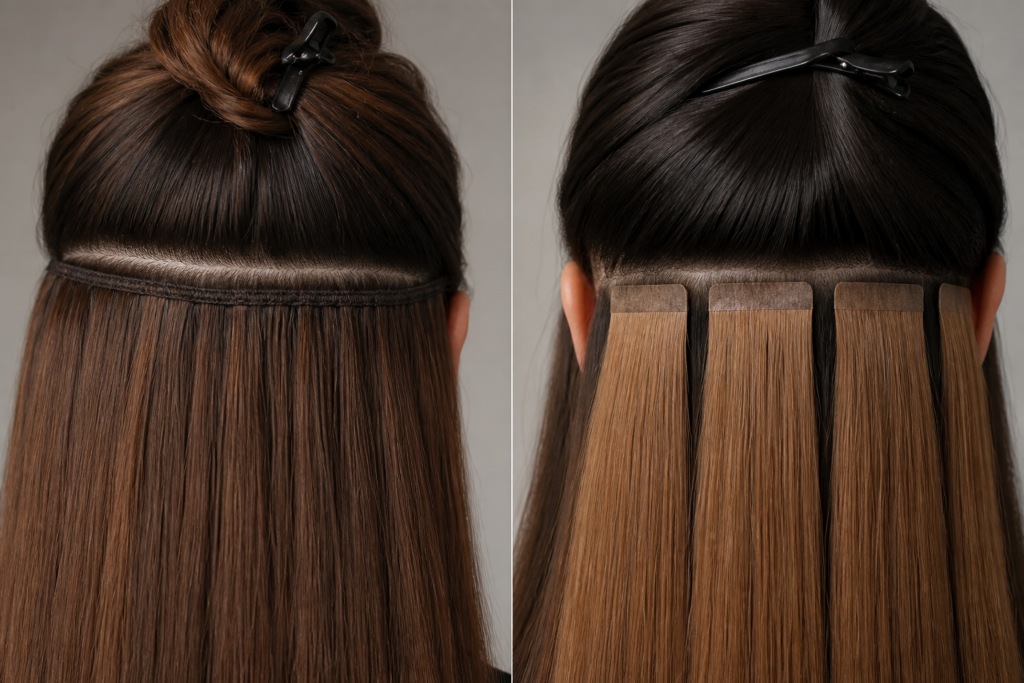
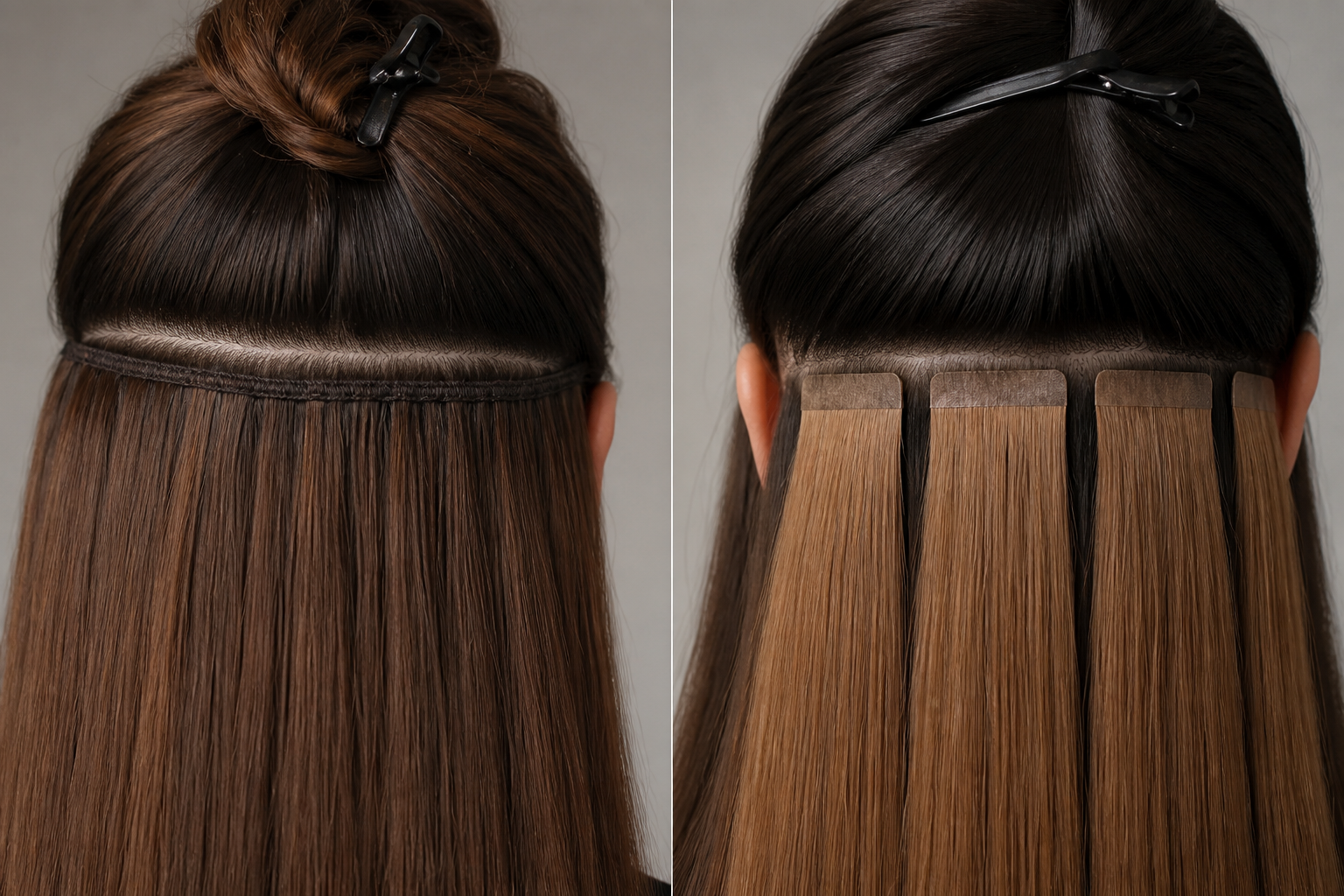
The most popular types of traditional hair extensions include sew-in wefts, tape-ins, fusion (keratin bonds), micro-links (i-tips), and clip-ins. Each method presents a unique application process and set of considerations for the wearer. Sew-ins, for instance, involve braiding natural hair into cornrows and then sewing wefts of extension hair onto these braids. This method is known for its security but can exert significant tension on the scalp.
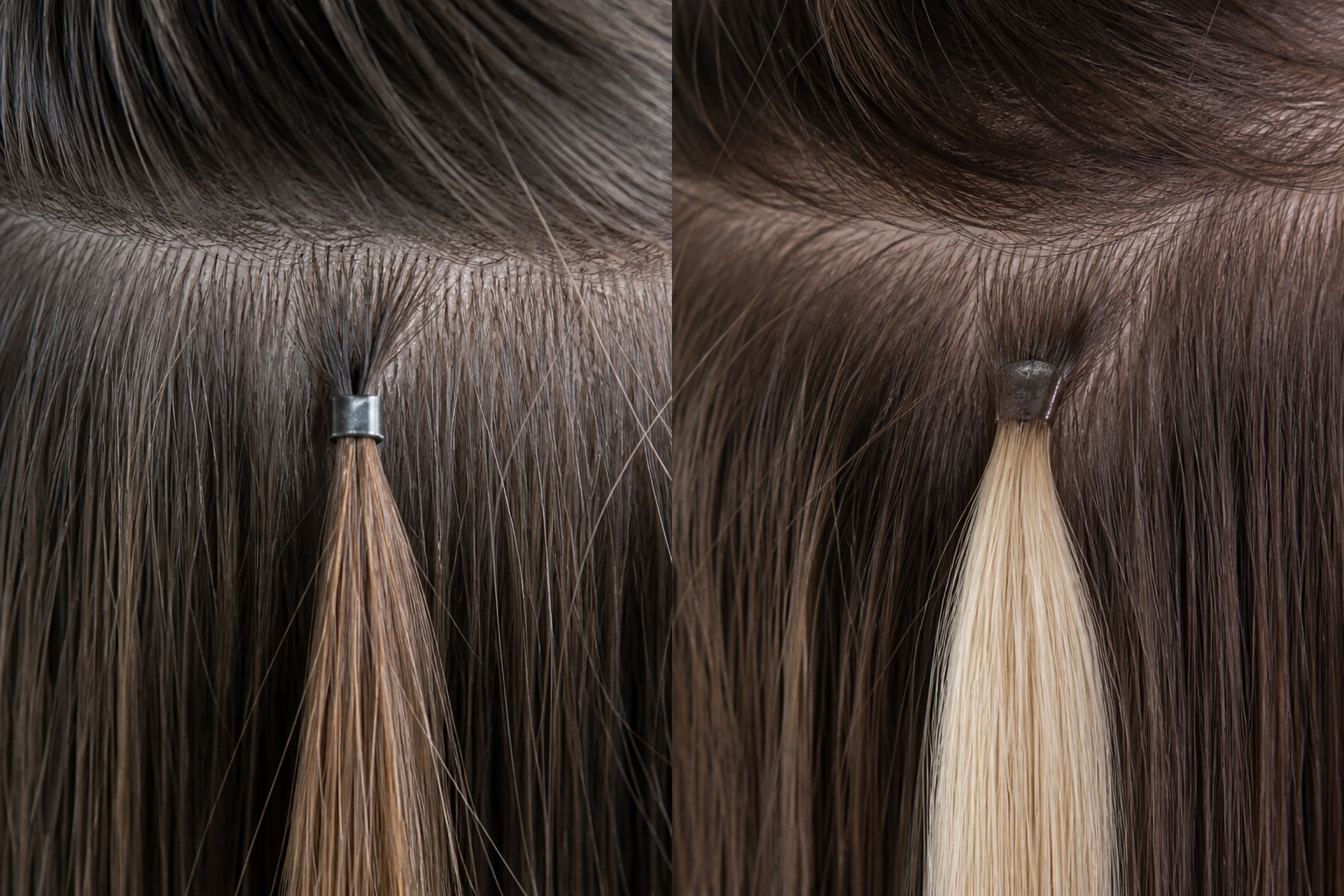
Tape-in extensions use adhesive strips to sandwich sections of natural hair between two wefts. They are generally quicker to apply than sew-ins and can be less damaging if applied correctly, but the adhesive can sometimes cause residue or slippage. Fusion extensions utilize keratin bonds, which are melted to attach individual strands of extension hair to natural hair, creating a very natural fall.
Micro-links, or i-tips, attach individual strands using small metal beads that are crimped onto the natural hair, avoiding heat or adhesive.
Clip-in extensions are a temporary solution, designed for daily wear and easy removal. They offer versatility for special occasions without the long-term commitment or maintenance of permanent methods. While convenient, they are not suitable for continuous wear and must be removed before sleeping to prevent damage to natural hair.
For a deeper dive into the science behind hair and hair care, you might find valuable information from resources like the National Institutes of Health on hair health, which provides insights into hair structure and common issues.
Key Differences in Traditional Extension Comparison: Application, Durability, and Cost
When evaluating hair extension options, a detailed traditional extension comparison must consider several critical factors: application time, durability, maintenance requirements, and cost. These elements significantly influence the overall experience and satisfaction with any chosen method. Understanding these differences helps clients make informed decisions, especially when weighing the pros and cons of traditional versus advanced techniques.
The longevity of extensions is often a primary concern, as is the initial investment and ongoing upkeep. Many traditional methods demand substantial time for application and regular, costly maintenance appointments. This can be a significant commitment for individuals with busy lifestyles or specific budget constraints.
Sew-in vs. Tape-in in Traditional Extension Comparison
Comparing sew-in extensions to tape-ins for durability reveals distinct characteristics. Sew-in extensions are renowned for their robust hold, typically lasting 6-8 weeks before requiring professional removal and reapplication. Their secure attachment, however, can sometimes lead to discomfort or tension on the scalp, especially if the braids are too tight. Tape-ins, while offering good durability for 4-8 weeks, can be prone to slipping if not maintained properly or if exposed to certain hair products.
They are generally considered less damaging than sew-ins if applied and removed by a skilled technician, but adhesive residue can be a challenge.
Fusion vs. Micro-link in Traditional Extension Comparison
When considering fusion versus micro-link hair extensions, the choice often comes down to discretion and application method. Fusion extensions, using keratin bonds, offer a highly discreet and natural look, blending seamlessly with natural hair. They boast a longer wear time, often 3-5 months, but their application involves heat and adhesive, which can be a concern for some. Micro-links, or i-tips, avoid heat and glue, attaching with small beads.
This makes them a preferred option for those seeking a less permanent method without bonding agents, though the beads can sometimes be visible or uncomfortable if not perfectly placed.
Application Time, Longevity, and Maintenance
Application time varies significantly across traditional methods. Clip-ins take mere minutes to apply, while tape-ins typically require 1-2 hours. Sew-ins can take 2-4 hours, and individual strand methods like fusion or micro-links can extend to 3-6 hours or more for a full head. This time commitment is a major factor for many clients. Permanent options like fusion, sew-ins, or micro-links typically last 2-6 months before needing professional maintenance or removal, whereas clip-ins are temporary and last indefinitely with proper care.
Maintenance requirements for traditional extensions are also diverse. They include specific washing techniques, gentle brushing, and avoiding certain products that can compromise bonds or adhesives. Regular salon visits are essential for reapplication or adjustments to prevent matting, tangling, or damage to natural hair.
The average cost comparison for different traditional extension methods also varies widely, with clip-ins being the most affordable, followed by tape-ins, then micro-links and sew-ins, and fusion often being among the higher-priced options due to intricate application and longevity.
Health Impacts and Discretion: A Critical Traditional Extension Comparison
Beyond aesthetics, the health impacts on natural hair and the discretion of the extensions are paramount in any comprehensive traditional extension comparison. Many traditional methods, while effective in adding volume and length, can inadvertently cause tension, breakage, or damage if not applied or maintained perfectly. This concern often leads individuals to seek out gentler, more advanced alternatives.
The goal of hair extensions should be to enhance, not to harm. Unfortunately, the reality for many traditional options is that they can put significant stress on the scalp and hair follicles. This section will explore these critical health considerations and the challenges of achieving a truly invisible blend with traditional techniques.
Damage-Free Volume: A Traditional Extension Comparison Priority
Which traditional hair extension method is best for adding volume without damage? This is a question frequently asked by clients. While some methods, like tape-ins or micro-links, are often touted as less damaging than tightly braided sew-ins or heat-intensive fusions, the risk of damage remains. Sew-ins can strain hair roots, leading to traction alopecia. Tape-ins can leave adhesive residue or cause breakage during removal.
Fusion and micro-links can put stress on individual strands, especially if the natural hair is fine or delicate.
Achieving significant volume without compromising natural hair health is a delicate balance that many traditional methods struggle to maintain. The constant tension, chemical exposure, or weight can weaken hair over time, leading to thinning or breakage. This is where advanced methods truly shine, prioritizing the integrity of your natural hair above all else.
Seamless Blend in Traditional Extension Comparison
The quest for a seamless blend is central to any successful hair extension application. Why do some traditional extensions offer better blend with natural hair? The blend largely depends on the extension’s quality, texture match, color match, and the application technique. Individual strand methods like fusion or micro-links often offer a more natural movement and blend than wefts, as they mimic the way natural hair grows.
However, even with these methods, precise application by a skilled stylist is crucial to ensure the attachment points remain invisible.
For fine hair, discretion is particularly challenging. Which traditional extension method is most discreet for fine hair? Fusion and micro-link extensions are often recommended due to their small attachment points. However, any method requires meticulous application to remain truly invisible. Bulkiness, visible bonds, or tracks can detract from the natural look, especially when hair is styled in an updo or moves in the wind.
The ability to achieve a truly undetectable blend, even for the finest hair, is a hallmark of superior extension technology.
7 Powerful Reasons Our Method Excels in Traditional Extension Comparison
Having explored the nuances and limitations of various traditional hair extension methods, it becomes clear that while they offer solutions, they often come with compromises. Our innovative Evolution Hair Method was developed to specifically address these common drawbacks, offering a truly superior experience. Here are 7 powerful reasons why our method excels in any traditional extension comparison:
- Damage-Free Application: Our method uses a unique, flexible canvas that distributes weight evenly across the scalp, eliminating the tension and pulling associated with braids, tight bonds, or heavy adhesives. This ensures your natural hair remains healthy and undamaged, a critical advantage over traditional sew-ins or fusion.
- Unparalleled Natural Look and Feel: The Evolution Hair Method creates an incredibly seamless blend, making the extensions virtually undetectable. The lightweight design and precise placement allow for natural movement, mimicking your own hair’s flow. This avoids the bulky or artificial appearance sometimes seen with traditional wefts or visible beads.
- Superior Comfort: Designed with client comfort in mind, our extensions are lightweight and flexible, adapting to your head’s natural shape. There’s no pulling, itching, or discomfort often reported with traditional methods like tight braids or rigid bonds, allowing for complete ease of wear.
- Longer Lasting, Healthier Wear: While traditional extensions require frequent reapplication due to growth and potential damage, our method supports healthier hair growth underneath. This often translates to longer wear times between adjustments, offering better value and less stress on your hair.
- Efficient and Gentle Application: Our application process is significantly faster and gentler than many traditional methods. What might take hours for fusion or micro-links can often be achieved in a fraction of the time with our technique, minimizing salon time and maximizing convenience.
- Versatility in Styling: The discreet nature and secure attachment of our extensions mean you can style your hair in any way imaginable – high ponytails, intricate updos, or flowing waves – without revealing the extension points. This level of styling freedom is often limited with traditional methods where bonds or tracks can be visible.
- Dermatologist-Approved Design: Our method was developed with input from dermatologists, ensuring it respects scalp health and hair integrity. This medical-grade consideration is a significant differentiator, offering peace of mind that your hair is being cared for at the highest level, unlike many traditional methods that can cause irritation or damage over time.
Ready for a Superior Traditional Extension Comparison Experience?
Discover how Mariana Plaster Hair Extensions’ Evolution Hair Method redefines traditional hair extension comparison, offering unparalleled quality and a damage-free approach trusted by dermatologists.
Making an Informed Choice: Beyond Traditional Extension Comparison
The journey to beautiful, voluminous hair is deeply personal, and the decision of which extension method to choose should be made with careful consideration. A comprehensive traditional extension comparison is just the first step. Ultimately, it’s about finding a solution that aligns with your hair health goals, lifestyle, and aesthetic desires. Our Evolution Hair Method offers a compelling alternative for those seeking to move beyond the limitations of conventional techniques.
Who is a good candidate for traditional versus newer extension methods? Candidates for traditional extensions typically have healthy hair and scalp, desiring length, volume, or color. However, those with fine, delicate, or damaged hair, or who prioritize minimal impact on natural hair, may be better candidates for newer, less invasive methods, such as Mariana Plaster’s Evolution Hair Method.
This innovative approach is designed to cater to a wider range of hair types, ensuring everyone can achieve their dream hair without compromise.
How do I decide between different traditional hair extension types? Deciding requires considering your hair type, desired look, budget, lifestyle, and commitment to maintenance. Consulting with an experienced stylist is crucial. For a truly damage-free, comfortable, and natural-looking solution, explore the Evolution Hair Method, which offers a superior alternative to many traditional options. We invite you to experience the difference that thoughtful innovation and a commitment to hair health can make.
Your dream hair is within reach, without sacrificing the health and integrity of your natural strands.
Conclusion: Redefining Hair Enhancement Through Traditional Extension Comparison
In conclusion, a thorough traditional extension comparison reveals that while conventional methods have their place, they often fall short in delivering a truly damage-free, natural-looking, and comfortable experience. From the tension of sew-ins to the adhesive challenges of tape-ins and the heat concerns of fusion, traditional techniques present various compromises. Our Evolution Hair Method stands as a testament to what is possible when innovation meets a deep understanding of hair health and client needs.
By offering a damage-free application, unparalleled natural aesthetics, superior comfort, and long-lasting results, our method redefines the standards for hair enhancement. We’ve highlighted 7 powerful reasons why our approach excels, providing a solution that not only transforms your look but also preserves the integrity of your natural hair. When you consider the full spectrum of options, the choice for a healthier, more beautiful, and truly seamless hair extension experience becomes clear.
What are the most popular types of traditional hair extensions?
Popular traditional types include sew-in wefts, tape-ins, fusion (keratin bonds), and micro-links (i-tips). Each method has distinct application processes, longevity, and maintenance requirements, often involving heat, chemicals, or tension.
How do sew-in extensions compare to tape-ins for durability?
Sew-in extensions, known for their durability, typically last 6-8 weeks and require professional removal and reapplication. Tape-ins offer good durability for 4-8 weeks but can slip or require re-taping sooner depending on care, often being less damaging than sew-ins if applied correctly.
Why would someone choose fusion over micro-link hair extensions?
Fusion extensions (keratin bonds) are chosen for their discreet, natural look and long wear (3-5 months), as they are bonded directly to natural hair. Micro-links (i-tips) avoid heat and adhesive, attaching with small beads, making them a good option for those seeking a less permanent method without bonding agents.
What is the average cost comparison for different traditional extension methods?
Traditional extension costs vary widely based on hair quality, length, stylist experience, and location. Typically, clip-ins are the most affordable, followed by tape-ins, then micro-links, and sew-ins. Fusion methods are often among the higher-priced options due to intricate application and longevity.
Which traditional hair extension method is best for adding volume without damage?
Many traditional methods can add volume, but potential damage is a common concern. Methods like tape-ins or micro-links, when applied by a skilled technician, can be less damaging than tightly braided sew-ins or heat-intensive fusions. However, Mariana Plaster’s Evolution Hair Method is specifically designed for damage-free volume and length, avoiding stress on natural hair.
How long do clip-in extensions last compared to permanent options?
Clip-in extensions are temporary, designed for daily wear and removed before sleeping, offering indefinite lifespan with proper care. Permanent options like fusion, sew-ins, or micro-links typically last 2-6 months before needing professional maintenance or removal.
What are the key differences between bond and weft hair extensions?
Bond extensions (e.g., fusion) attach individual strands of extension hair to natural hair using a keratin bond, creating very natural movement. Weft extensions involve sewing or taping a track (weft) of hair to natural hair, often braided or sandwiched, providing more density across a larger section.
Where can I find a detailed comparison chart of traditional hair extensions?
Detailed comparison charts can be found on reputable hair extension brand websites, cosmetology school resources, or specialized hair blogs. These charts often break down application time, longevity, cost, and suitable hair types for various traditional methods.
Who is a good candidate for traditional versus newer extension methods?
Candidates for traditional extensions typically have healthy hair and scalp, desiring length, volume, or color. Those with fine, delicate, or damaged hair, or who prioritize minimal impact on natural hair, may be better candidates for newer, less invasive methods, such as Mariana Plaster’s Evolution Hair Method.
What are the maintenance requirements for various traditional extensions?
Maintenance for traditional extensions includes specific washing techniques, gentle brushing, and avoiding certain products. Sew-ins and tape-ins require reapplication every 6-8 weeks, while fusion and micro-links can last 3-5 months, all needing professional adjustments to prevent matting or damage.
Why do some traditional extensions offer better blend with natural hair?
The blend with natural hair largely depends on the extension’s quality, texture match, color match, and the application technique. Individual strand methods like fusion or micro-links often offer a more seamless blend than wefts, though skilled blending by a stylist is crucial for any method.
How does the application time differ between traditional extension types?
Application time varies significantly: clip-ins take minutes, tape-ins typically 1-2 hours, sew-ins 2-4 hours, and individual strand methods like fusion or micro-links can take 3-6 hours or more for a full head. Mariana Plaster’s Evolution Hair Method boasts an efficient one-hour application time.
Which traditional extension method is most discreet for fine hair?
For fine hair, discreetness is key. Fusion and micro-link extensions are often recommended due to their small attachment points. However, any method requires precise application to remain invisible. The Evolution Hair Method, with its flexible, thin canvas, offers exceptional discretion even for fine hair, minimizing bulk.
What are the health impacts of different traditional hair extension types on natural hair?
Traditional extensions can cause tension, breakage, or damage if applied incorrectly or maintained poorly. Sew-ins can strain roots, tape-ins can cause adhesive residue, and fusion/micro-links can put stress on individual strands. Mariana Plaster’s Evolution Hair Method is specifically designed by dermatologists to be damage-free, preserving natural hair health.
How do I decide between different traditional hair extension types?
Deciding requires considering your hair type, desired look, budget, lifestyle, and commitment to maintenance. Consulting with an experienced stylist is crucial. For a truly damage-free, comfortable, and natural-looking solution, explore the Evolution Hair Method, which offers a superior alternative to many traditional options.