

Achieving beautiful, voluminous hair through extensions should never come at the cost of your well-being. The pursuit of enhanced aesthetics often raises a critical question: how to ensure genuine long-term extension comfort for daily wear? Many individuals seek the transformative power of extensions, only to encounter issues like scalp irritation, tension, or damage over time. For those desiring a truly harmonious blend of beauty and comfort, understanding the underlying principles of proper extension care and application is paramount.
This comprehensive guide will delve into the essential strategies for maintaining optimal comfort with your hair extensions. We will explore the critical factors that contribute to a pain-free experience, from selecting the right method to implementing a meticulous daily care routine. Discover how expert application and consistent maintenance are key to enjoying your extensions as a seamless, comfortable part of your everyday life. Consider this your definitive resource for unlocking the secrets to enduring extension comfort.
Key Takeaways
- Understand how selecting the correct extension method and density is foundational for achieving lasting long-term extension comfort.
- Learn the critical role of professional installation and regular maintenance in preventing common discomforts and preserving scalp health.
- Discover practical daily care routines, including gentle brushing and proper sleeping techniques, that significantly enhance your extension experience.
- Identify the signs of potential issues and learn how to address them promptly to ensure your extensions remain comfortable and damage-free.
What Defines Optimal Long-Term Extension Comfort?
Optimal long-term extension comfort is characterized by a feeling of naturalness and freedom from irritation, tension, or pain. It means your extensions integrate seamlessly with your natural hair, allowing you to move, sleep, and style your hair without constant awareness of their presence. This state is not accidental; it is the result of careful choices and consistent practices.
Many factors contribute to or detract from this comfort. Understanding these elements is the first step toward ensuring your hair extensions enhance, rather than hinder, your daily life. It involves a holistic approach, from the initial consultation to your ongoing maintenance routine.
Understanding Different Extension Types for Long-Term Extension Comfort
Not all hair extension methods are created equal when it comes to comfort. The choice of method significantly impacts your experience. For instance, tape-in extensions are often praised for their lightweight feel, while sew-in wefts can sometimes feel heavy if not installed correctly. Micro-link extensions, when applied properly, can offer excellent flexibility and minimal tension.
The key is to select a method that aligns with your hair type, lifestyle, and scalp sensitivity. Methods that distribute weight evenly and avoid excessive pulling on individual strands are generally superior for long-term wear. The Evolution Hair Method, for example, prioritizes minimal tension and damage-free application, making it a top contender for those seeking superior comfort.
Why Discomfort Arises with Prolonged Extension Use
Discomfort with hair extensions often develops over time due to several preventable issues. Initial tightness from installation can lead to headaches or scalp tenderness. As natural hair grows, the attachment points shift, creating new tension or tangles at the root. This can cause pulling, itching, and even damage to your natural hair.
Another common cause is improper aftercare. Neglecting to brush correctly, using unsuitable products, or failing to protect extensions during sleep can lead to matting and pulling. These issues compound over weeks and months, turning what should be a comfortable enhancement into a source of frustration.
Common Issues Affecting Long-Term Extension Comfort
Several common issues can compromise your long-term extension comfort. These include scalp irritation, which can manifest as itching, redness, or tenderness. This is often a sign of too much tension or an allergic reaction to bonding materials.
Another frequent problem is tangling and matting at the roots, especially if maintenance is skipped. This not only causes discomfort but can also lead to significant damage during removal. Breakage of natural hair around the attachment points is also a serious concern, indicating excessive stress on the hair follicles. Addressing these issues proactively is vital for maintaining comfort and hair health.

9 Ultimate Secrets for Achieving Daily Long-Term Extension Comfort
Achieving consistent long-term extension comfort requires a combination of informed choices and diligent practices. These nine secrets are designed to guide you toward an experience where your extensions feel as natural and comfortable as your own hair, day after day, month after month.
Secret 1: Choosing the Right Method for Long-Term Extension Comfort
Selecting the appropriate extension method is the cornerstone of comfort. For sensitive scalps or fine hair, lightweight options like tape-ins or the Evolution Hair Method are often recommended. These methods minimize stress on individual hair strands. Consult with an experienced stylist to determine the best method for your specific hair type and lifestyle needs.
Consider the weight distribution and flexibility of the attachment points. Some methods, like traditional micro-links, can be comfortable if applied correctly, but others might feel bulky. Researching reputable brands known for their comfortable, long-lasting hair extensions, such as those used in the Evolution Hair Method, is also crucial. This initial choice sets the stage for your entire extension journey.
Secret 2: Expert Installation is Key to Long-Term Extension Comfort
Improper installation is a primary culprit behind extension discomfort. If extensions are placed too tightly, too close to the scalp, or on insufficient natural hair, they can cause immediate pain, headaches, and long-term damage. An expert stylist understands the delicate balance required.
They will ensure even weight distribution, proper sectioning, and secure yet gentle attachment. This precision prevents pulling, minimizes tension, and allows your natural hair to grow without undue stress. Never compromise on the skill of your installer; it directly impacts your comfort and hair health for months to come.
Secret 3: Regular Professional Maintenance for Sustained Long-Term Extension Comfort
Professional maintenance appointments are non-negotiable for sustained long-term extension comfort. As your natural hair grows, the attachment points move further from the scalp, increasing tension and the risk of tangling. Stylists recommend adjustments or reinstallation every 6-8 weeks.
During these appointments, your stylist will reposition the extensions, check for any matting, and assess the health of your natural hair and scalp. This proactive approach prevents accumulation of tension and ensures your extensions continue to feel lightweight and secure. Skipping these crucial appointments can quickly lead to discomfort and potential damage.
Secret 4: Gentle Daily Care and Product Selection for Long-Term Extension Comfort
Your daily hair care routine plays a significant role in maintaining comfort. Always use sulfate-free shampoos and conditioners, as sulfates can strip natural oils and dry out extensions. A leave-in conditioner or detangler is essential to prevent knots and reduce friction.
Brush your hair gently, starting from the ends and working your way up, always supporting the roots to avoid pulling. A specialized extension brush with soft bristles is highly recommended. Avoid harsh scrubbing on the scalp, especially around attachment points, to prevent irritation and loosening.
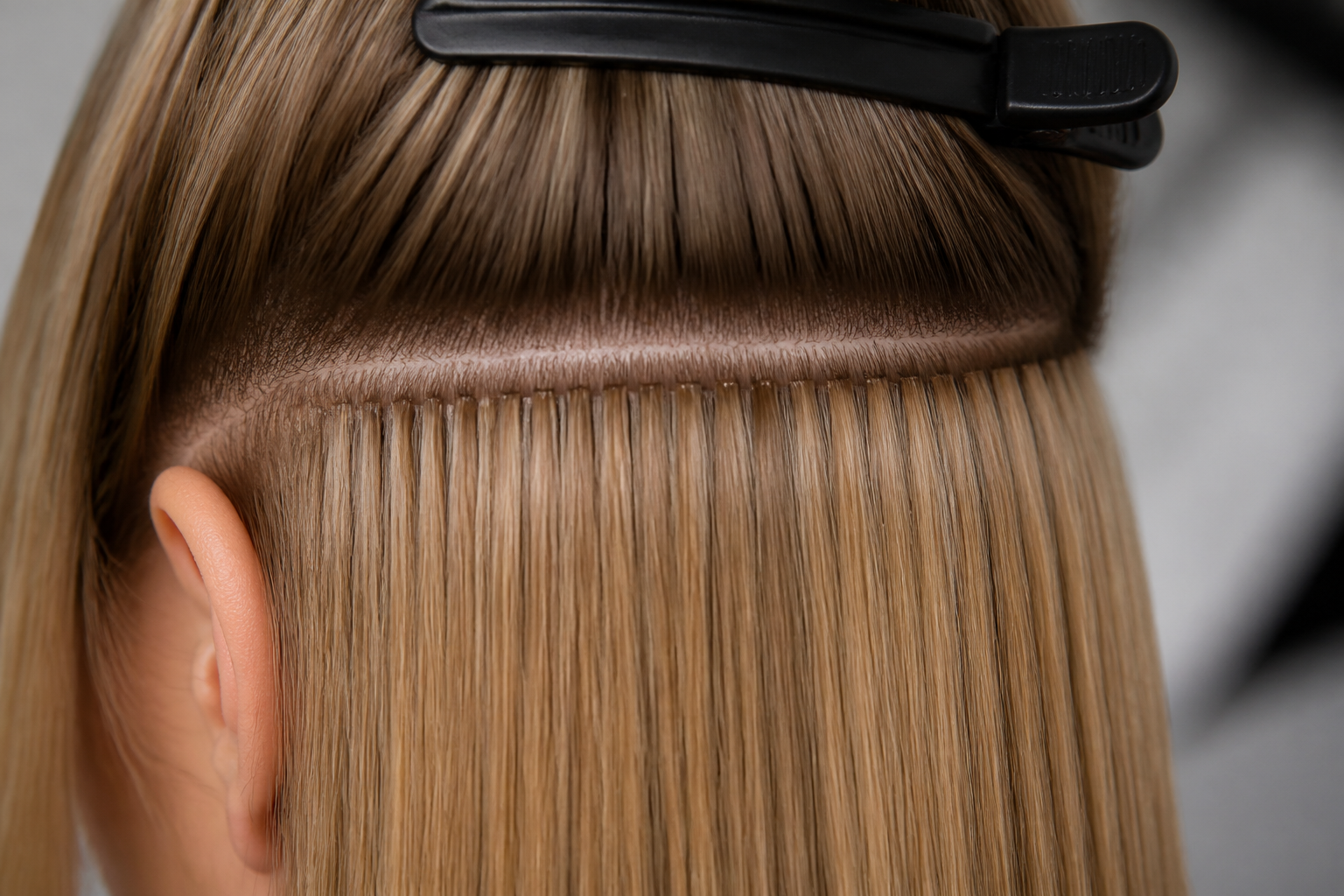
Secret 5: Sleeping Smart for Uninterrupted Long-Term Extension Comfort
How you sleep can drastically affect your long-term extension comfort and longevity. Never go to bed with wet hair, as this can lead to matting and bacterial growth. Before sleeping, loosely braid your hair or gather it into a high, loose ponytail or bun at the crown of your head.
This prevents tangling and reduces friction against your pillow. Additionally, investing in a silk pillowcase can significantly reduce friction, minimizing tangles and preserving the smoothness of your extensions and natural hair. These simple steps ensure you wake up with comfortable, manageable hair.
Secret 6: Selecting Optimal Density and Length for Long-Term Extension Comfort
Choosing the right density and length for your extensions is crucial for maximum long-term extension comfort. While it might be tempting to go for extreme length and volume, exceeding what your natural hair can comfortably support will lead to excessive tension and discomfort.
An experienced stylist will help you select a density and length that blends naturally with your hair and scalp, ensuring the extensions feel light and manageable. Overloading your hair with too much weight can cause strain on your follicles, leading to headaches and potential hair loss. A balanced approach is always best.
Secret 7: Addressing Sensitive Scalps and Damage Signs for Long-Term Extension Comfort
For individuals with sensitive scalps, specific extension methods and products are essential. Look for methods that use hypoallergenic materials and minimize contact with the scalp. The Evolution Hair Method, for instance, is known for its gentle application.
Be vigilant for signs of damage or significant discomfort, such as persistent itching, redness, tenderness, or noticeable hair loss around attachment points. These are red flags that require immediate attention from your stylist. Promptly addressing these issues is critical to preserving both your comfort and the health of your natural hair.
Secret 8: Are Permanent Extensions Truly Comfortable?
The term “permanent hair extensions” typically refers to methods designed for long-term wear, such as micro-links, tape-ins, or sew-ins, which last for several weeks or months before requiring adjustment. When installed and maintained correctly, these methods can indeed be genuinely comfortable for daily, long-term wear.
However, the comfort level is highly dependent on the quality of the installation, the suitability of the method for your hair, and your adherence to aftercare. Micro-link extensions, for example, can be very comfortable due to their flexibility, but their lifespan and comfort depend on regular adjustments to prevent pulling as your hair grows. The key is consistent care and professional oversight.
Secret 9: Finding Specialists for Unrivaled Long-Term Extension Comfort
The search for true long-term extension comfort often leads to finding salons that specialize in advanced, damage-free extension techniques. These salons employ highly trained stylists who understand the nuances of scalp health, hair integrity, and proper weight distribution. They often utilize innovative methods, like the Evolution Hair Method, which are specifically designed for comfort and longevity. The American Academy of Dermatology Association provides valuable insights into preventing hair damage, emphasizing the importance of gentle hair practices, which skilled extension specialists inherently understand.
Look for stylists with extensive experience and positive client testimonials focusing on comfort and natural results. A thorough consultation where your stylist assesses your hair and discusses your comfort concerns is a strong indicator of a reputable specialist. Investing in an expert ensures your extensions are a source of joy, not discomfort.
Experience Unrivaled Long-Term Extension Comfort at Mariana Plaster Hair Extensions
Our Evolution Hair Method ensures a damage-free, pain-free application and wear, allowing you to enjoy beautiful hair extensions with ultimate ease and confidence.
Your Path to Effortless Extension Comfort
Achieving beautiful hair extensions that offer genuine long-term extension comfort is entirely within reach. It begins with making informed decisions about the extension method, prioritizing expert installation, and committing to a consistent routine of gentle care and professional maintenance. By following these ultimate secrets, you can transform your extension experience from a potential source of irritation into a seamless, comfortable, and confidence-boosting enhancement.
Remember, your comfort is paramount. Never hesitate to communicate any concerns with your stylist and seek out professionals who prioritize the health and well-being of your natural hair and scalp. With the right approach, your hair extensions will not only look stunning but will feel wonderfully natural, allowing you to enjoy every moment with your beautiful, voluminous locks.
Frequently Asked Questions About Long-Term Extension Comfort
What are the most comfortable hair extension types for long-term wear?
For long-term extension comfort, methods that minimize tension and preserve natural hair health are ideal. The Evolution Hair Method, used by Mariana Plaster Hair Extensions, is renowned for its damage-free, lightweight application, making it exceptionally comfortable for daily and extended wear compared to traditional methods.
How can I ensure my hair extensions remain comfortable over several months?
Maintaining long-term extension comfort involves regular professional maintenance, gentle hair care, and using recommended products. Avoid excessive pulling or harsh brushing, and ensure your stylist provides proper adjustments every two months to relieve any accumulated tension.
Why do some hair extensions cause discomfort after prolonged use?
Discomfort from hair extensions often arises from excessive tension on the scalp, improper installation, or an unsuitable method for your hair type. Over time, heavy bonds, rough attachment points, or neglecting maintenance can lead to pulling, itching, or even scalp irritation, compromising long-term extension comfort.
Which hair extension methods are best suited for sensitive scalps for long-term comfort?
Methods that are lightweight, free from harsh chemicals, and applied with minimal tension are best for sensitive scalps. The Evolution Hair Method excels in this area, utilizing a thin, flexible canvas and precise application to ensure superior long-term extension comfort without irritation.
How often should long-term hair extensions be adjusted to maintain comfort?
To maintain optimal long-term extension comfort and prevent damage, hair extensions should typically be adjusted or reinstalled every 6-8 weeks, or approximately every two months. This schedule allows for natural hair growth without causing undue stress on the attachments.
Can improper installation lead to long-term discomfort with hair extensions?
Absolutely. Improper installation is a primary cause of long-term discomfort. If extensions are placed too tightly, on too little natural hair, or with poor weight distribution, it can lead to pulling, headaches, scalp tenderness, and even hair breakage, severely impacting long-term extension comfort.
What are the signs that my long-term hair extensions are causing damage or significant discomfort?
Signs of damage or discomfort include persistent itching, redness, tenderness or pain on the scalp, noticeable hair loss around the attachment points, excessive shedding of your natural hair, or a feeling of constant tension. Addressing these signs promptly is crucial for preserving long-term extension comfort and hair health.
How do you sleep comfortably with long-term hair extensions?
To sleep comfortably with long-term hair extensions, loosely braid your hair or gather it into a high, loose ponytail or bun. Using a silk pillowcase also helps reduce friction, preventing tangles and preserving the long-term extension comfort and lifespan of your extensions.
What products are recommended to enhance the long-term comfort of hair extensions?
To enhance long-term extension comfort, use sulfate-free shampoos and conditioners, leave-in detanglers, and lightweight oils or serums. Regular brushing with a specialized extension brush and heat protectants are also essential for keeping both your natural hair and extensions healthy and comfortable.