The pursuit of perfection often involves delicate tasks, whether it’s maintaining pristine surfaces or ensuring the health of your hair. When it comes to removing stubborn adhesives, old caulk, or even hair extensions, the method you choose can make all the difference between a flawless finish and irreversible damage. This is precisely why the principle of no sharp tools removal has become an indispensable approach for professionals and DIY enthusiasts alike. It champions gentle yet effective techniques that preserve integrity and prevent unsightly marks.
In this comprehensive guide, we will explore the brilliant reasons why avoiding sharp implements is crucial for damage-free results. We’ll delve into innovative methods, essential tools, and expert tips that ensure every removal task is handled with the utmost care. Discover how embracing a “no sharp tools” philosophy can transform your approach to delicate projects, safeguarding your valuable possessions and personal well-being.
Key Takeaways
- Understand the critical importance of no sharp tools removal for preventing damage to delicate surfaces and personal items.
- Explore a range of safe and effective alternatives to traditional sharp implements for various removal tasks.
- Learn how to achieve professional-grade results when removing adhesives, caulk, paint, and hair extensions without risk.
- Discover the specific tools and products that facilitate damage-free processes, ensuring surface integrity and safety.
The Brilliant Necessity of No Sharp Tools Removal
When tackling any removal project, the immediate instinct might be to reach for the sharpest tool available. However, this approach often leads to unintended consequences, especially when dealing with delicate surfaces or personal items like hair extensions. The brilliant necessity of no sharp tools removal lies in its ability to protect what matters most: the integrity of the underlying material and your own safety. This method prioritizes gentle, non-abrasive techniques that achieve effective results without the risk of scratches, cuts, or punctures.
Why is it important to use ‘no sharp tools’ for certain removal tasks? The answer is simple: sharp tools introduce a high risk of irreversible damage. Imagine trying to remove a sticker from a car window with a metal razor blade – the potential for scratching the glass is immense. Similarly, attempting to pry off old caulk with a utility knife can easily gouge the surrounding tile or countertop. For hair extensions, using sharp implements can sever natural hair strands, damage follicles, or irritate the scalp, leading to breakage and discomfort. Embracing no sharp tools removal ensures a meticulous, damage-free outcome every time.
Preserving Delicate Surfaces with No Sharp Tools Removal
Many surfaces in our homes and on our bodies are incredibly sensitive. Glass, polished wood, painted walls, and even human hair require a gentle touch during any removal process. Traditional sharp tools, while effective at cutting, are inherently aggressive. They can leave permanent marks, compromise finishes, and necessitate costly repairs. The philosophy of no sharp tools removal champions methods that soften, dissolve, or gently lift materials, rather than forcibly scrape them away. This approach is not just about avoiding damage; it’s about maintaining the aesthetic and functional value of your items.
Enhancing Safety and Efficiency
Beyond preventing damage, opting for no sharp tools removal significantly enhances safety. Accidental cuts and injuries are common when handling sharp implements, especially during intricate or awkward tasks. Non-sharp alternatives, such as plastic scrapers or specialized solvents, drastically reduce this risk. Furthermore, when used correctly, these gentle methods can often be more efficient. By softening the adhesive or material first, the removal becomes easier, cleaner, and requires less brute force, leading to a more satisfying and safer experience overall.
Safe Alternatives for No Sharp Tools Removal
Successfully implementing no sharp tools removal requires knowing which alternatives to use. Fortunately, a wide array of safe and effective options are available, ranging from simple household items to specialized commercial products. These tools and techniques are designed to tackle various removal challenges without compromising surface integrity or personal safety.
What are safe alternatives to sharp tools for removing objects? For general adhesive or residue removal, consider plastic scrapers, silicone spatulas, or even old credit cards. These items provide the necessary leverage to lift material without scratching. For softer residues, a microfiber cloth combined with a suitable solvent can work wonders. Heat, in the form of a hairdryer or steam, is another powerful ally, softening adhesives and making them easier to peel away. For more detailed guidance on various sticky situations, refer to Family Handyman’s guide to removing sticky residue.
Everyday Items for Gentle Removal
Many common household items can be repurposed for effective no sharp tools removal. Rubbing alcohol is excellent for dissolving sticky residues from glass or hard plastics. Vinegar, a natural acid, can help break down mineral deposits and some glues. For oil-based adhesives, a dab of olive oil or peanut butter can often loosen the bond. Even dental floss can be surprisingly effective for sliding under emblems or stickers. The key is to allow the softening agent enough time to work before attempting removal.
Specialized Tools and Products
Beyond household staples, there are numerous specialized tools and commercial products designed for no sharp tools removal. Plastic razor blades, for instance, offer the precision of a razor without the risk of scratching. Caulk softener products chemically break down old caulk, making it easy to peel away with a plastic tool. For paint, eco-friendly paint strippers or citrus-based removers can soften layers for gentle scraping. These specialized solutions are invaluable for more stubborn or extensive removal projects.
Experience Damage-Free No Sharp Tools Removal for Your Hair Extensions
Mariana Plaster Hair Extensions uses the revolutionary Evolution Hair Method, ensuring your hair extensions are removed safely and gently, preserving your natural hair’s integrity and health.
Mastering No Sharp Tools Removal for Hair Extensions
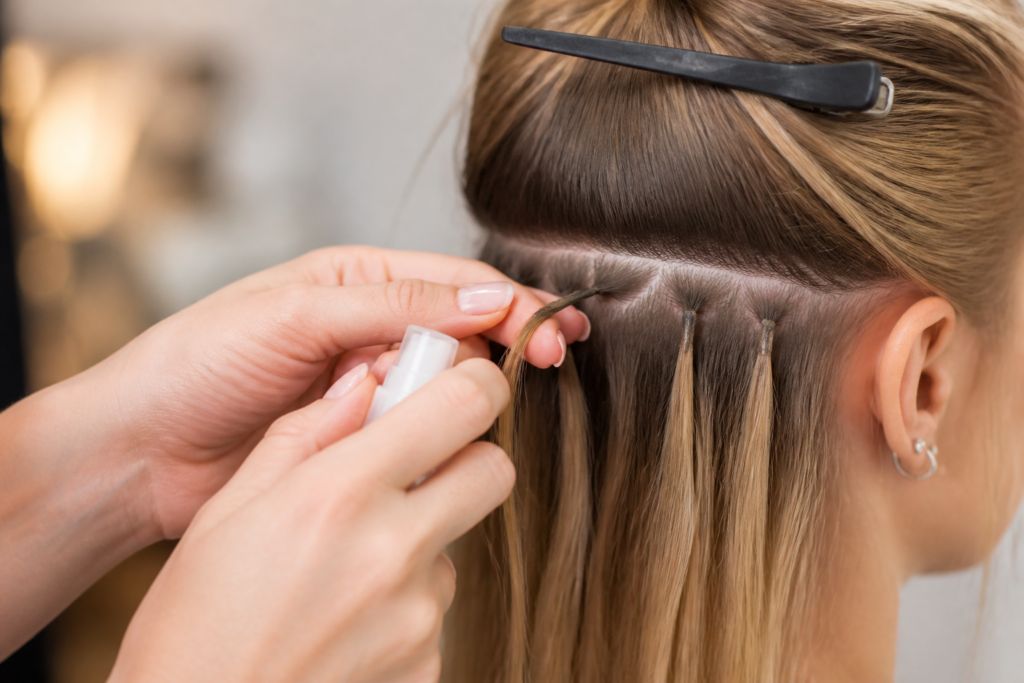
One of the most critical applications for no sharp tools removal is in the delicate process of hair extension upkeep and removal. The natural hair and scalp are incredibly sensitive, and any use of sharp implements can lead to severe damage, breakage, or even permanent hair loss. Professionals in the hair industry, like Mariana Plaster Hair Extensions, understand this implicitly, employing specialized techniques to ensure hair health.
How can I book a ‘no sharp tools’ professional removal service? For hair extensions, it is highly recommended to seek out salons that specialize in gentle, damage-free methods. For example, Mariana Plaster Hair Extensions uses the revolutionary Evolution Hair Method, ensuring your hair extensions are removed safely and gently, preserving your natural hair’s integrity and health. You can visit their website or call (407) 946-0311 to book a consultation for a professional no sharp tools removal service. This ensures that your natural hair remains healthy and strong, ready for future styling.
The Evolution Hair Method and Gentle Techniques
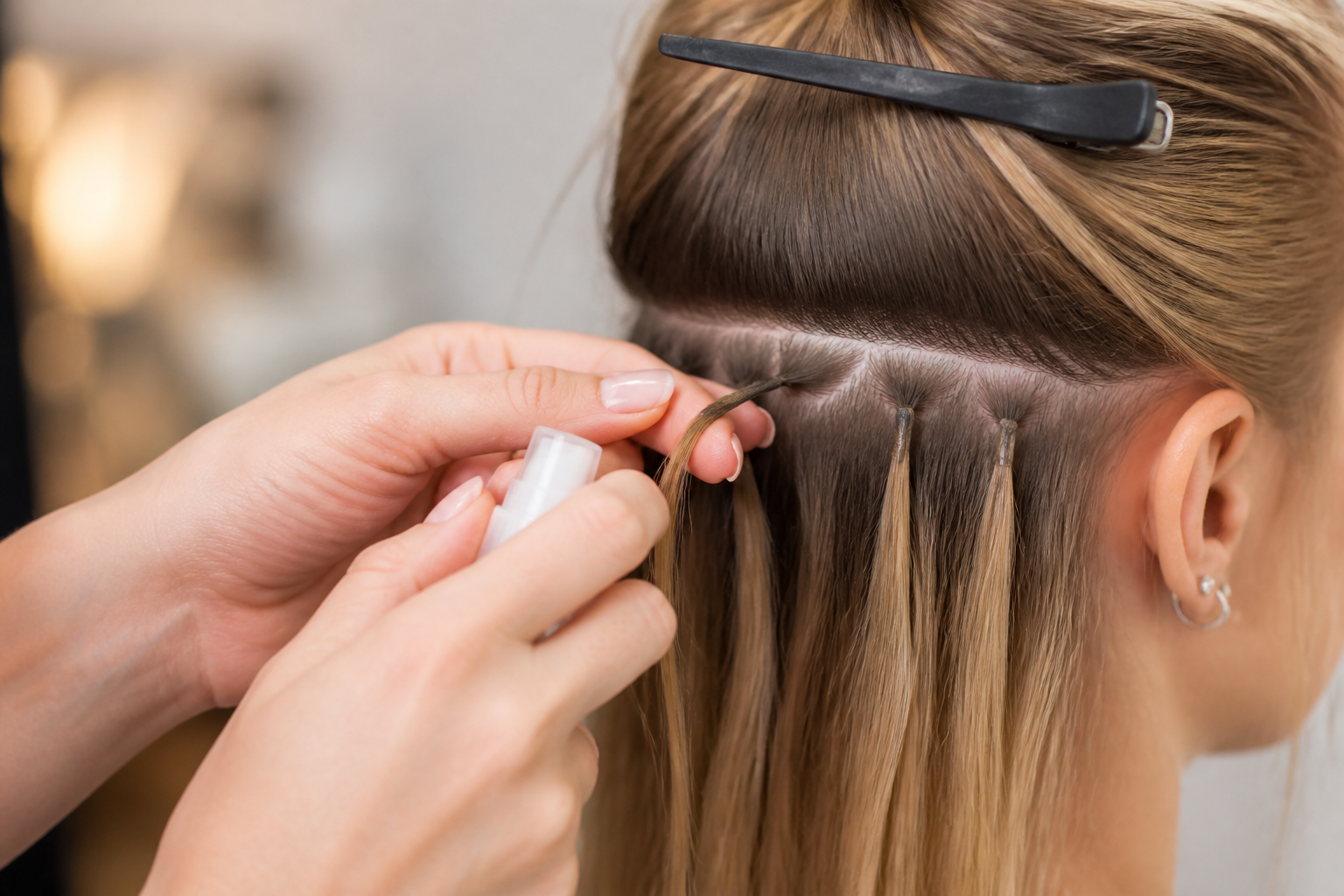
The Evolution Hair Method is a prime example of professional no sharp tools removal in action. This technique focuses on carefully breaking down the adhesive bonds without pulling or cutting the natural hair. It often involves specialized solvents that gently loosen the bonds, allowing the extensions to slide off effortlessly. This meticulous approach prevents tension on the hair follicles, minimizes shedding, and protects the scalp from irritation, ensuring a comfortable and damage-free experience.
Damage-Free No Sharp Tools Removal for Household Tasks
The principles of no sharp tools removal extend far beyond hair care, proving invaluable for a multitude of household tasks. From removing stubborn stickers to refreshing old caulk, adopting gentle methods safeguards your home’s surfaces and saves you from costly repairs.
How can I remove stickers from a car without using sharp tools? Start by applying heat with a hairdryer to soften the adhesive. Once warm, gently peel the sticker away. Any remaining residue can be tackled with rubbing alcohol, WD-40, or a specialized automotive adhesive remover applied to a microfiber cloth. For glass, techniques for removing adhesive from glass without scratching it include applying heat, soaking with warm soapy water, or using products like Goo Gone. A plastic scraper or an old credit card can then gently lift softened residue.
Tackling Old Caulk with No Sharp Tools Removal
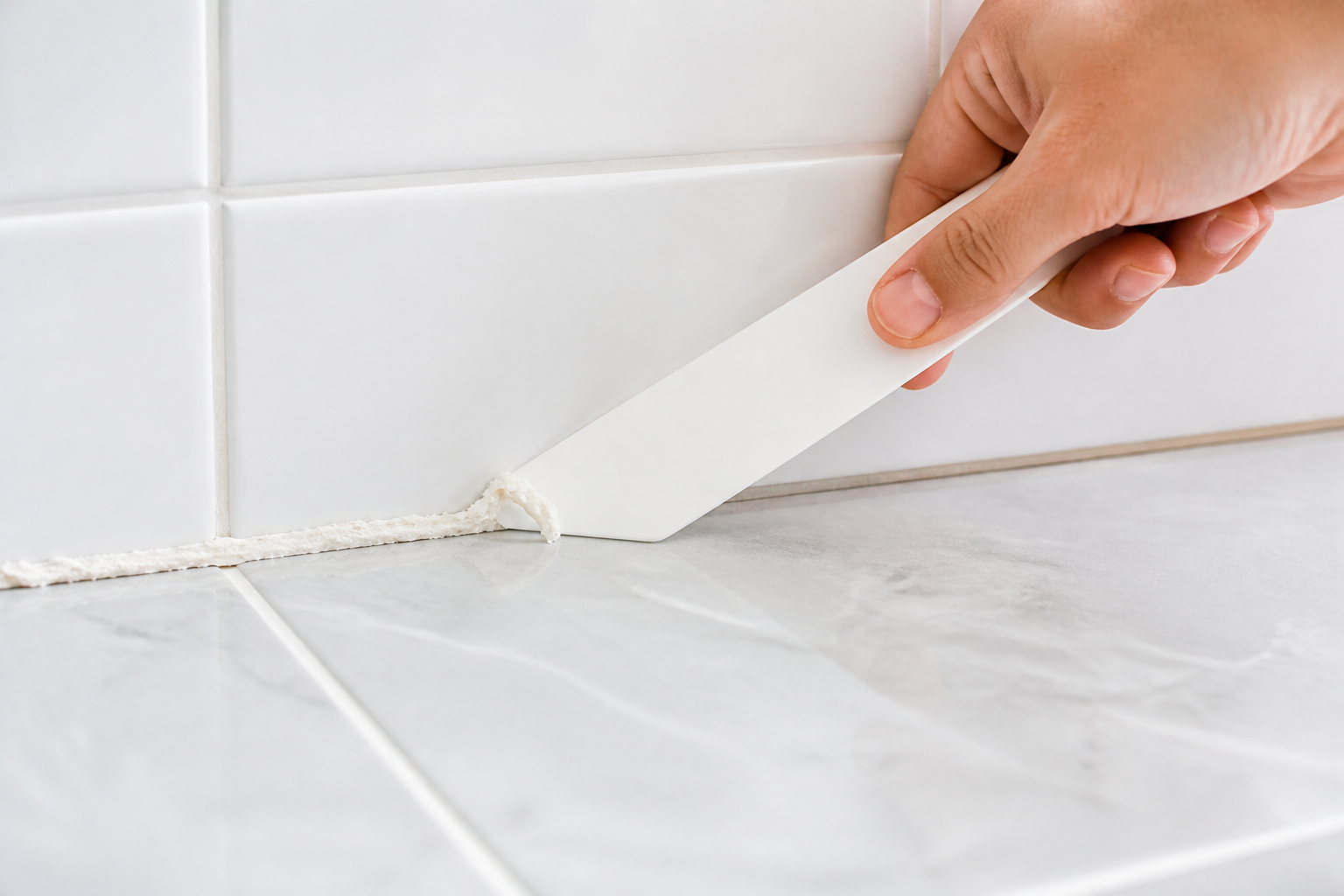
What methods are best for removing old caulk without sharp implements? Old caulk can be notoriously difficult to remove, but no sharp tools removal offers effective solutions. Caulk softener products are excellent for breaking down the material, making it pliable enough to scrape off with a plastic scraper or even a gloved finger. A heat gun on a low setting can also soften caulk, allowing for gentle removal without damaging adjacent surfaces.
Gentle Paint Removal and Grime Cleaning
Are there commercial products for ‘no sharp tools’ paint removal? Yes, many options exist. Chemical paint strippers, citrus-based removers, and eco-friendly paint softeners can dissolve or soften paint, allowing it to be wiped or gently scraped away. How to remove dried paint from wood without sharp tools? Non-toxic paint strippers, a low-heat gun, or a baking soda paste for light stains are effective. What are the best non-abrasive tools for removing grime from sensitive surfaces? Silicone spatulas, plastic razor blades, microfiber cloths, and steam cleaners are ideal for delicate cleaning.
Professional Techniques for No Sharp Tools Removal
Professionals often encounter the most challenging removal scenarios, from industrial adhesives to delicate historical restorations. Their expertise in no sharp tools removal is a testament to its effectiveness and versatility. They employ a combination of advanced products and meticulous techniques to ensure flawless results.
How do professionals remove stubborn residues without damaging surfaces? Professionals typically assess the surface type and residue to select the safest and most effective method. This often involves specialized solvents, controlled heat application, and non-abrasive tools like plastic scrapers or steam cleaners. They understand the chemical properties of different adhesives and surfaces, allowing them to choose a solution that dissolves the bond without harming the substrate.
Where to Find Your No Sharp Tools Removal Kit
Where can I find a ‘no sharp tools’ removal kit? These kits, often containing plastic scrapers, adhesive removers, and microfiber cloths, are readily available. You can find them at auto parts stores, hardware stores, craft stores, and online retailers like Amazon. For specific needs, such as hair extension removal, consulting a professional salon or specialized beauty supplier is best.
Avoiding Common Mistakes in No Sharp Tools Removal
What are common mistakes to avoid when attempting ‘no sharp tools’ removal? One common error is not testing products on an inconspicuous area first. Different surfaces react differently to solvents. Another mistake is using too much force; gentle, consistent pressure is always better. Not allowing softening agents enough time to work is also a frequent oversight. Patience is key. Finally, using the wrong product for the surface or adhesive type can lead to damage, even without sharp tools. Always research and choose wisely.
Can I remove rust from metal without using abrasive or sharp tools?
Yes, you can remove rust from metal without abrasive or sharp tools. Methods include soaking the rusted item in vinegar, lemon juice, or oxalic acid solutions. These acids chemically react with the rust, making it easier to wipe away. Rust converters are also effective; they chemically transform rust into a stable, paintable surface without the need for physical scraping. These techniques embody the spirit of no sharp tools removal by relying on chemical action rather than mechanical force.
No Sharp Tools Removal: Your Questions Answered
What are safe alternatives to sharp tools for removing objects?
Safe alternatives to sharp tools include plastic scrapers, silicone spatulas, dental floss, rubbing alcohol, hot water, steam, and specialized adhesive removers. For hair extensions, professional methods like the Evolution Hair Method utilize gentle, non-damaging techniques to ensure integrity.
Why is it important to use ‘no sharp tools’ for certain removal tasks?
Using no sharp tools is crucial for delicate surfaces and personal safety. Sharp tools can scratch, cut, or puncture materials, causing irreversible damage. When removing hair extensions, sharp tools can damage natural hair follicles and scalp, leading to breakage or irritation.
How can I remove stickers from a car without using sharp tools?
To remove stickers from a car without sharp tools, try heating the sticker with a hairdryer to soften the adhesive, then gently peel it away. For residue, use a microfiber cloth with rubbing alcohol, WD-40, or a specialized automotive adhesive remover.
What methods are best for removing old caulk without sharp implements?
Removing old caulk without sharp implements often involves caulk softener products that break down the material, making it easier to peel or scrape off with a plastic scraper or even a finger. Heat guns on a low setting can also soften caulk for gentle removal.
Are there commercial products for ‘no sharp tools’ paint removal?
Yes, there are many commercial products for no sharp tools paint removal, including chemical paint strippers, citrus-based removers, and eco-friendly paint softeners. These products dissolve or soften paint, allowing for easy removal with a plastic scraper or cloth.
Where can I buy plastic scrapers for delicate removal jobs?
Plastic scrapers for delicate removal jobs can be purchased at most hardware stores, automotive supply shops, craft stores, and online retailers like Amazon. Look for sets with various sizes and shapes for versatility.
How do professionals remove stubborn residues without damaging surfaces?
Professionals often use a combination of heat, specialized solvents, and non-abrasive tools like plastic scrapers, microfiber cloths, or steam cleaners. They assess the surface type and residue to choose the safest, most effective no sharp tools removal method.
What techniques can be used for removing adhesive from glass without scratching it?
Techniques for removing adhesive from glass without scratching include applying heat (hairdryer), soaking with warm soapy water, or using adhesive removers like rubbing alcohol, Goo Gone, or vinegar. A plastic scraper or even an old credit card can gently lift softened residue.
How can I book a ‘no sharp tools’ professional removal service?
To book a ‘no sharp tools’ professional removal service, particularly for hair extensions, visit the Mariana Plaster Hair Extensions website or call (407) 946-0311. They specialize in the Evolution Hair Method, ensuring damage-free removal.
What household items can I use for gentle glue removal?
For gentle glue removal using household items, try rubbing alcohol, vinegar, olive oil (for stickers/labels), peanut butter (for sticky residues), or warm soapy water. Always test on an inconspicuous area first.
How to remove dried paint from wood without sharp tools?
To remove dried paint from wood without sharp tools, consider using a non-toxic paint stripper, a heat gun on a low setting to soften the paint for gentle scraping with a plastic tool, or even a paste of baking soda and water for light stains.
What are the best non-abrasive tools for removing grime from sensitive surfaces?
The best non-abrasive tools for removing grime from sensitive surfaces include silicone spatulas, plastic razor blades, microfiber cloths, steam cleaners, soft bristle brushes, and specialized cleaning erasers.
Can I remove rust from metal without using abrasive or sharp tools?
Yes, you can remove rust from metal without abrasive or sharp tools using methods like soaking in vinegar, lemon juice, or oxalic acid solutions. Rust converters also chemically transform rust without needing physical scraping.
Where can I find a ‘no sharp tools’ removal kit?
‘No sharp tools’ removal kits, often containing plastic scrapers, adhesive removers, and microfiber cloths, can be found at auto parts stores, hardware stores, and online marketplaces. For hair extension-specific needs, consult a professional salon.
What are common mistakes to avoid when attempting ‘no sharp tools’ removal?
Common mistakes include not testing products on an inconspicuous area, using too much force, not allowing softening agents enough time to work, and using the wrong product for the surface or adhesive type, which can lead to damage despite avoiding sharp tools.
Your Invitation to Damage-Free Excellence
Embracing the philosophy of no sharp tools removal is a commitment to precision, safety, and the longevity of your valuable possessions. As we’ve explored, from the delicate process of hair extension removal to tackling stubborn household residues, gentle methods consistently yield superior, damage-free results. By utilizing the right non-abrasive tools, specialized products, and a patient approach, you can achieve professional-grade outcomes without the risks associated with sharp implements. This approach not only protects your surfaces but also enhances your efficiency and peace of mind.
Whether you’re a DIY enthusiast or seeking professional assistance, the principles of damage-free removal are universally applicable. For those requiring expert hair extension removal, services like Mariana Plaster Hair Extensions exemplify the highest standards of care, ensuring your natural hair remains healthy and intact. By choosing no sharp tools removal, you’re opting for a smarter, safer, and ultimately more brilliant way to maintain and restore.