Science of Hair Extensions: 10 Brilliant Principles for Damage-Free Growth
The pursuit of luxurious, voluminous hair often leads to exploring extensions. However, achieving stunning results without compromising natural hair health requires a deep understanding of the underlying science of hair extensions. This isn’t merely about adding length or volume; it’s about a sophisticated interplay of biology, chemistry, and engineering that, when mastered, ensures damage-free growth and breathtaking beauty. For those seeking to enhance their hair responsibly, delving into the scientific principles behind professional application, material quality, and proper care is paramount.
This comprehensive guide will illuminate the brilliant principles that govern successful hair extension integration. We will explore the intricate mechanics of attachment, the molecular compatibility of materials, and the critical factors that prevent damage. Understanding these scientific foundations empowers you to make informed choices, ensuring your journey to dream hair is both beautiful and healthy.
Key Takeaways
- Discover the biological and chemical principles that underpin the successful and damage-free application of science of hair extensions.
- Learn how different attachment methods interact with natural hair at a microscopic level to ensure integrity and longevity.
- Understand the crucial role of high-quality materials and ethical sourcing in preventing damage and promoting healthy hair growth.
- Explore advanced care techniques and scientific breakthroughs that enhance the durability and aesthetic appeal of your extensions.
Understanding the Science of Hair Extensions: Foundations for Flawless Results
The journey to beautiful, extended hair begins with a foundational understanding of hair biology. Natural hair is a complex structure, primarily composed of keratin protein, arranged in a cuticle, cortex, and medulla. The health and integrity of these layers are paramount when considering extensions.
The true science of hair extensions lies in respecting the natural hair’s molecular architecture. This means selecting methods and materials that integrate seamlessly, minimizing stress on the hair shaft and follicle. It’s a delicate balance between achieving desired aesthetics and preserving biological health.
The Molecular Science of Hair Extensions and Compatibility
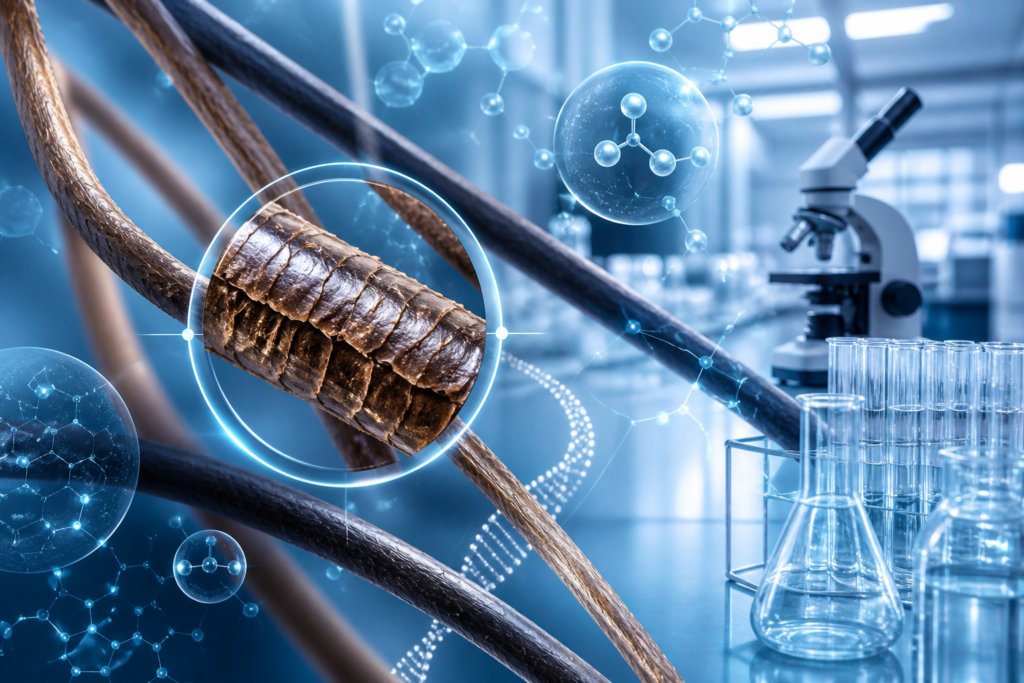
The molecular structure of hair, primarily its keratin protein composition and cuticle orientation, profoundly influences extension compatibility. Natural hair consists of an outer cuticle, cortex, and sometimes a medulla. The cuticle, when healthy, has scales that lie flat, providing smoothness and protection.
If extension hair has a disrupted or reversed cuticle, it creates friction and tangling with natural hair. The porosity and elasticity of natural hair also play a role. Highly porous hair may absorb bonding agents differently or be more prone to breakage under tension. Compatible extensions ideally have a similar molecular structure and cuticle direction, like Remy hair, to ensure seamless blending, minimal friction, and optimal longevity without causing damage.
Attachment Methods: The Engineering Behind Science of Hair Extensions
The method of attachment is a critical component in the overall science of hair extensions. Each technique employs distinct mechanical and chemical principles designed to secure the extension hair while minimizing stress on the natural strands. Understanding these differences is key to choosing a damage-free option.
What is the Science of Hair Extensions Attachment Methods?
The science of hair extensions attachment methods involves diverse mechanical and chemical principles. Tape-ins use medical-grade adhesive that provides a secure, flat bond without excessive tension. Sew-ins (wefts) distribute weight across braided natural hair, relying on tension and even distribution to prevent breakage.
Keratin bonds use a heat-activated protein adhesive designed to mimic the molecular structure of natural hair’s keratin, allowing for flexible, durable, and discreet attachment. Micro-link or I-tip extensions use small metal or silicone-lined beads that clamp onto natural hair, requiring precise pressure to hold without causing damage. The Evolution Hair Method, for instance, uses a thin, flexible canvas with an implanted micropele, integrating extensions with minimal stress on the natural hair.
Keratin Bonds: The Chemical Science of Hair Extensions
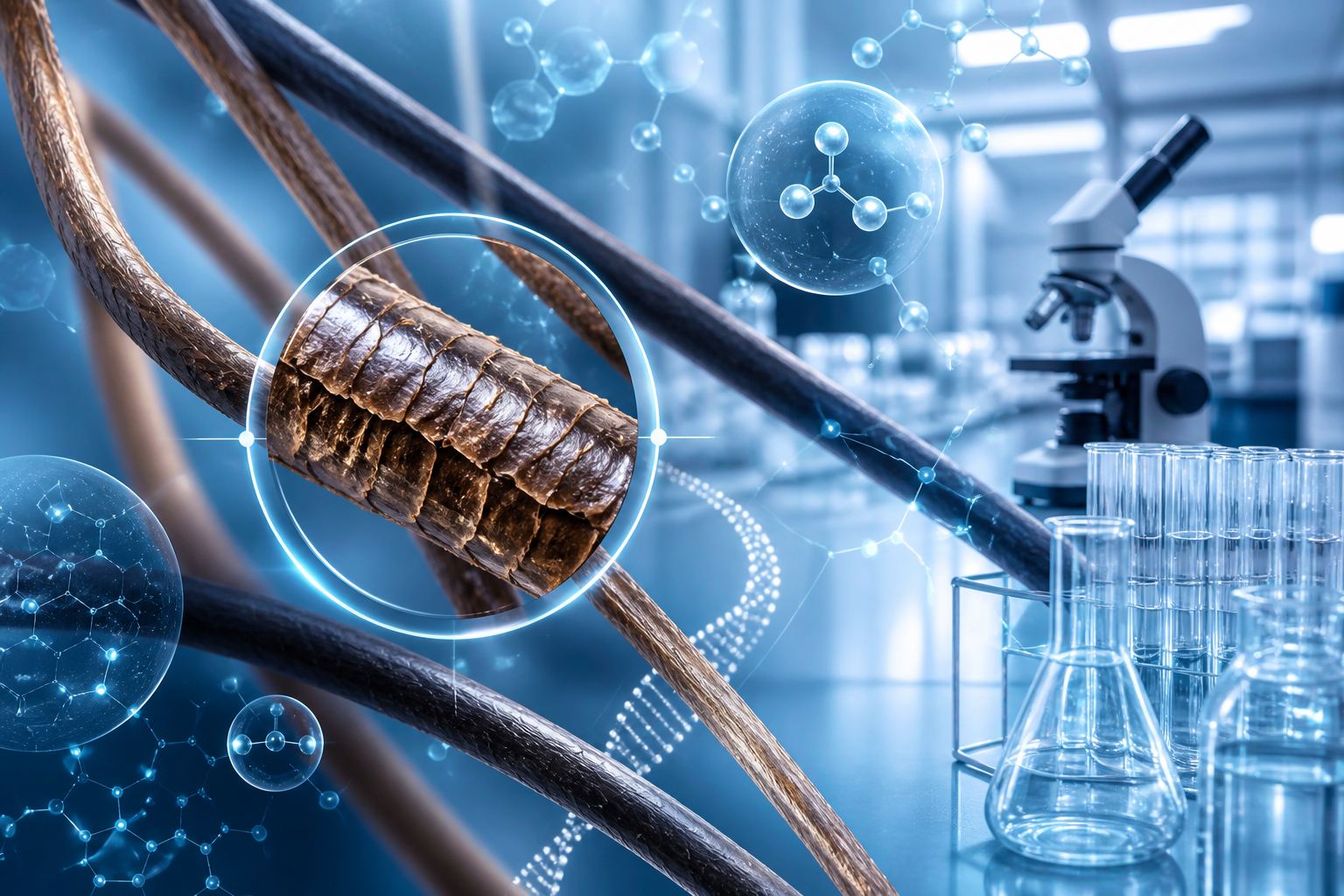
Keratin bonds in hair extensions are designed to create a molecularly compatible fusion with natural hair. The bonding agent is a polymer blend, often including synthetic keratin, which is softened by heat. When applied, this softened keratin encapsulates small sections of natural hair. As it cools, it hardens, forming a strong, yet flexible, bond.
The scientific interaction hinges on the molecular similarities between the bond’s polymer structure and the disulfide bonds within natural hair keratin. This ensures a secure attachment that moves naturally and minimizes stress, provided proper application and high-quality materials are used. This intricate chemical process is a cornerstone of the science of hair extensions.
Damage Prevention: The Critical Science of Hair Extensions
Preventing damage is arguably the most crucial aspect of the science of hair extensions. Poor application, incompatible materials, or inadequate aftercare can lead to significant issues, from breakage to traction alopecia. A scientific approach prioritizes the long-term health of the client’s natural hair.
Why Do Some Hair Extensions Cause Damage from a Scientific Standpoint?
Hair extensions can cause damage from a scientific standpoint due to several factors: excessive tension, incorrect application, poor quality materials, and inadequate maintenance. Excessive tension, common with poorly installed braids or tight micro-links, can lead to traction alopecia by pulling hair follicles, disrupting blood supply, and inhibiting growth.
Harsh adhesives or solvents can chemically weaken the hair shaft, leading to breakage. Low-quality extension hair, with compromised cuticle layers, can cause tangling, friction, and matting, leading to physical damage to natural hair. Improper removal methods, often involving aggressive pulling or incompatible solvents, can also severely compromise the integrity of the natural hair and scalp.
Scientifically Tested Hair Extension Products
Finding scientifically tested hair extension products is essential for ensuring safety and efficacy. Reputable brands invest in research and development, often collaborating with dermatologists and trichologists. These products undergo rigorous testing for bond strength, material compatibility, and hypoallergenic properties.
Look for certifications and transparent ingredient lists. Brands that prioritize the science of hair extensions will openly share data on their product’s performance and safety. This commitment to scientific validation protects both your natural hair and your investment.
Unlock the Science of Hair Extensions for Your Best Hair at Mariana Plaster Hair Extensions
Experience the Evolution Hair Method, a dermatologist-trusted, damage-free technique that prioritizes the health and integrity of your natural hair.
Quality & Longevity: The Material Science of Hair Extensions
The durability and aesthetic appeal of hair extensions are directly linked to the quality of their materials and how they are sourced. Understanding the chemical properties of extension hair and bonding agents is fundamental to the science of hair extensions. This knowledge ensures both beauty and resilience.
Chemical Properties of High-Quality Hair Extensions
High-quality hair extensions, particularly those made from human hair, are composed primarily of keratin, a fibrous structural protein. The chemical properties of this keratin are crucial: it should have intact cuticles, which are overlapping scales that protect the inner cortex, maintaining strength, luster, and minimizing tangling.
Synthetic extensions are made from various polymers like kanekalon or toyokalon, chosen for their heat resistance, texture, and color retention. Bonding agents often use medical-grade silicones or keratin-based polymers, designed for flexibility, adhesion, and biocompatibility with human hair, ensuring they do not chemically damage the hair shaft or scalp. The Evolution Hair Method uses carefully selected materials to ensure compatibility and minimal chemical interaction.
Ethical Sourcing and the Scientific Integrity of Extensions
Ethical sourcing of hair is crucial for the scientific integrity of extensions because it directly impacts the quality and consistency of the product. When hair is ethically sourced, it generally means it is collected with care, ensuring the cuticles remain intact and aligned (Remy hair). This preserves the natural molecular structure and health of the hair, making it more durable, less prone to tangling, and more compatible with natural hair from a scientific perspective.
Unethically sourced hair is often poor quality, chemically processed, and has a compromised cuticle, leading to reduced longevity, tangling, and potential for damage. This undermines the scientific principles of effective and healthy hair extension application. A commitment to ethical sourcing is a commitment to the true science of hair extensions.
Advanced Care: Maintaining the Science of Hair Extensions
Proper aftercare is not just about aesthetics; it’s a scientific necessity for prolonging the life of your extensions and protecting your natural hair. Environmental factors and product choices can significantly impact the integrity of both.
How UV Light Degrades Hair Extension Color and Texture
UV light scientifically degrades hair extension color and texture through photochemical reactions. UV radiation, particularly UVA and UVB rays, can break down the melanin pigments in the hair shaft, leading to fading and discoloration. It also causes oxidative damage to the keratin proteins, disrupting the disulfide bonds that give hair its strength and elasticity.
This molecular degradation manifests as dryness, brittleness, and a rougher texture. Synthetic extensions are also susceptible, with UV breaking down polymer chains and affecting dyes. This degradation is why UV protective sprays are often recommended for both natural hair and extensions to preserve their structural integrity and aesthetic quality, a key aspect of the science of hair extensions.
Why Certain Hair Care Products Affect Hair Extensions Differently
Certain hair care products affect hair extensions differently on a scientific level primarily due to their chemical composition and the type of extension. Products containing sulfates, parabens, or heavy silicones can degrade extension bonds (especially keratin and tape adhesives) by breaking down their polymer structure or creating a slick barrier that causes slippage.
Alcohols can dry out extension hair, leading to brittleness and breakage, particularly for human hair extensions. Oil-based products, while beneficial for natural hair, can weaken adhesive bonds. Therefore, scientifically formulated extension-safe products use gentle, bond-friendly ingredients, often pH-balanced and sulfate-free, to maintain the integrity of the attachment method and the quality of the extension hair, supporting the overall science of hair extensions.
The Future of Science of Hair Extensions: Innovation and Expertise
The field of hair extensions is continuously evolving, driven by scientific advancements aimed at improving durability, comfort, and natural integration. Understanding these breakthroughs and seeking out expert application are crucial for optimal results.
Scientific Breakthroughs Improving Hair Extension Durability
Scientific breakthroughs improving hair extension durability focus on advanced materials science, bonding technologies, and hair treatment methods. Innovations include medical-grade adhesives with enhanced flexibility and water resistance for tape-ins, reducing bond breakdown. The development of more resilient synthetic keratin polymers for fusion bonds has improved their longevity and natural feel.
Advances in hair processing techniques, such as cold fusion methods or gentle cuticle preservation treatments, maintain the hair’s natural strength. Furthermore, research into biomimetic coatings and UV-protective polymers applied to extension hair is extending color retention and preventing environmental degradation, ensuring the “science of hair extensions” continues to evolve for superior results.
Salons Specializing in the Scientific Application of Hair Extensions
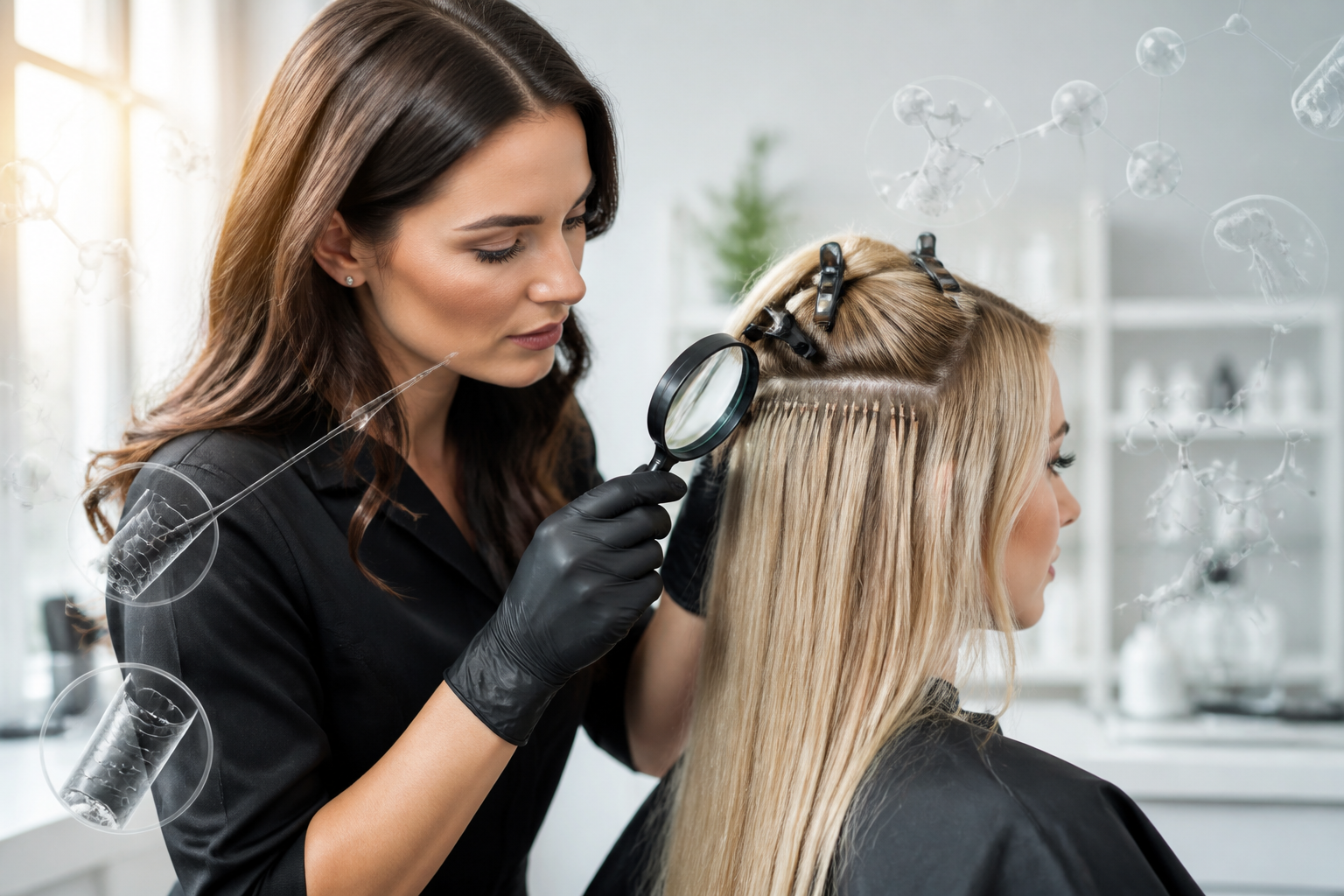
Salons that specialize in the scientific application of hair extensions for minimal damage are distinguished by their commitment to education, advanced techniques, and high-quality products. These establishments often employ stylists who have undergone specialized training in hair biology, chemistry, and various extension methods.
They understand the nuances of hair types, scalp health, and the biomechanics of extension placement. Such salons prioritize consultations to assess individual hair needs and recommend methods that align with the principles of the science of hair extensions. Mariana Plaster Hair Extensions in Winter Garden, for example, is known for its Evolution Hair Method, a dermatologist-trusted approach.
The Cost of a Scientifically Optimized Hair Extension Consultation
A scientifically optimized hair extension consultation is an investment in the health and beauty of your hair. These consultations typically involve a thorough assessment of your natural hair, scalp condition, and lifestyle, along with a detailed discussion of suitable extension types and methods. The cost can vary widely depending on the salon’s expertise and location.
While some salons may offer complimentary consultations, a comprehensive, in-depth scientific assessment often ranges from $50 to $150. This fee reflects the stylist’s specialized knowledge and the time dedicated to creating a personalized, damage-free plan, ensuring your investment in the science of hair extensions is well-guided.
Certified Stylists Trained in the Science of Hair Extensions
Finding certified stylists trained in the science of hair extensions for application is paramount for damage-free results. These professionals possess a deep understanding of hair anatomy, chemical interactions, and proper tension distribution. Certifications from reputable extension brands or trichology programs indicate a commitment to scientific principles.
Look for stylists who can articulate the “why” behind their chosen methods and products, not just the “how.” They will prioritize the health of your natural hair, offering tailored advice on maintenance and removal. Mariana Plaster, with her Evolution Hair Method, exemplifies a stylist dedicated to the scientific application of extensions.
Key Researchers and Scientific Studies Supporting Longevity
While specific peer-reviewed studies directly comparing the longevity of all hair extension types are limited in a formal academic sense, the scientific principles of material science and biomechanics underpin their durability. Studies in dermatology often focus on scalp health and potential damage from extensions, indirectly assessing longevity through client outcomes.
For instance, research on adhesive strength and polymer degradation provides insights into tape-in and keratin bond durability. Biomechanical analyses of tension distribution inform the design of sew-in and micro-link methods to prevent breakage. Brands like Mariana Plaster often conduct internal studies and rigorous testing, leveraging scientific understanding of hair physiology and material science to develop methods like the Evolution Hair Method, which emphasizes durability and damage prevention through its specific design and application.
For further reading on hair structure and health, a foundational understanding can be found in scientific journals focusing on dermatology and cosmetology, such as those indexed by the National Center for Biotechnology Information.
Frequently Asked Questions About the Science of Hair Extensions
What is the science behind different hair extension attachment methods?
The science of hair extensions attachment methods involves diverse mechanical and chemical principles. Tape-ins use medical-grade adhesive that provides a secure, flat bond without excessive tension. Sew-ins (wefts) distribute weight across braided natural hair, relying on tension and even distribution to prevent breakage. Keratin bonds use a heat-activated protein adhesive designed to mimic the molecular structure of natural hair’s keratin, allowing for flexible, durable, and discreet attachment.
Micro-link or I-tip extensions use small metal or silicone-lined beads that clamp onto natural hair, requiring precise pressure to hold without causing damage. The Evolution Hair Method, for instance, uses a thin, flexible canvas with an implanted micropele, integrating extensions with minimal stress on the natural hair.
How do keratin bonds in hair extensions scientifically interact with natural hair?
Keratin bonds in hair extensions are designed to create a molecularly compatible fusion with natural hair. The bonding agent is a polymer blend, often including synthetic keratin, which is softened by heat. When applied, this softened keratin encapsulates small sections of natural hair. As it cools, it hardens, forming a strong, yet flexible, bond.
The scientific interaction hinges on the molecular similarities between the bond’s polymer structure and the disulfide bonds within natural hair keratin, ensuring a secure attachment that moves naturally and minimizes stress, provided proper application and high-quality materials are used.
Why do some hair extensions cause hair damage from a scientific standpoint?
Hair extensions can cause damage from a scientific standpoint due to several factors: excessive tension, incorrect application, poor quality materials, and inadequate maintenance. Excessive tension, common with poorly installed braids or tight micro-links, can lead to traction alopecia by pulling hair follicles, disrupting blood supply, and inhibiting growth. Harsh adhesives or solvents can chemically weaken the hair shaft, leading to breakage.
Low-quality extension hair, with compromised cuticle layers, can cause tangling, friction, and matting, leading to physical damage to natural hair. Improper removal methods, often involving aggressive pulling or incompatible solvents, can also severely compromise the integrity of the natural hair and scalp.
What are the chemical properties of materials used in high-quality hair extensions?
High-quality hair extensions, particularly those made from human hair, are composed primarily of keratin, a fibrous structural protein. The chemical properties of this keratin are crucial: it should have intact cuticles, which are overlapping scales that protect the inner cortex, maintaining strength, luster, and minimizing tangling. Synthetic extensions are made from various polymers like kanekalon or toyokalon, chosen for their heat resistance, texture, and color retention.
Bonding agents often use medical-grade silicones or keratin-based polymers, designed for flexibility, adhesion, and biocompatibility with human hair, ensuring they do not chemically damage the hair shaft or scalp. The Evolution Hair Method uses carefully selected materials to ensure compatibility and minimal chemical interaction.
How does the molecular structure of hair influence extension compatibility?
The molecular structure of hair, primarily its keratin protein composition and cuticle orientation, profoundly influences extension compatibility. Natural hair consists of an outer cuticle, cortex, and sometimes a medulla. The cuticle, when healthy, has scales that lie flat, providing smoothness and protection. If extension hair has a disrupted or reversed cuticle, it creates friction and tangling with natural hair.
The porosity and elasticity of natural hair also play a role; highly porous hair may absorb bonding agents differently or be more prone to breakage under tension. Compatible extensions ideally have a similar molecular structure and cuticle direction (e.g., Remy hair) to ensure seamless blending, minimal friction, and optimal longevity without causing damage.
What scientific studies support the longevity of various hair extension types?
While specific peer-reviewed studies directly comparing the longevity of all hair extension types are limited in a formal academic sense, the scientific principles of material science and biomechanics underpin their durability. Studies in dermatology often focus on scalp health and potential damage from extensions, indirectly assessing longevity through client outcomes. For instance, research on adhesive strength and polymer degradation provides insights into tape-in and keratin bond durability.
Biomechanical analyses of tension distribution inform the design of sew-in and micro-link methods to prevent breakage. Brands like Mariana Plaster often conduct internal studies and rigorous testing, leveraging scientific understanding of hair physiology and material science to develop methods like the Evolution Hair Method, which emphasizes durability and damage prevention through its specific design and application.
Why is ethical sourcing of hair important for the scientific integrity of extensions?
Ethical sourcing of hair is crucial for the scientific integrity of extensions because it directly impacts the quality and consistency of the product. When hair is ethically sourced, it generally means it is collected with care, ensuring the cuticles remain intact and aligned (Remy hair). This preserves the natural molecular structure and health of the hair, making it more durable, less prone to tangling, and more compatible with natural hair from a scientific perspective.
Unethically sourced hair is often poor quality, chemically processed, and has a compromised cuticle, leading to reduced longevity, tangling, and potential for damage, undermining the scientific principles of effective and healthy hair extension application.
How does UV light scientifically degrade hair extension color and texture?
UV light scientifically degrades hair extension color and texture through photochemical reactions. UV radiation, particularly UVA and UVB rays, can break down the melanin pigments in the hair shaft, leading to fading and discoloration. It also causes oxidative damage to the keratin proteins, disrupting the disulfide bonds that give hair its strength and elasticity. This molecular degradation manifests as dryness, brittleness, and a rougher texture. Synthetic extensions are also susceptible, with UV breaking down polymer chains and affecting dyes.
This degradation is why UV protective sprays are often recommended for both natural hair and extensions to preserve their structural integrity and aesthetic quality.
What scientific breakthroughs are improving hair extension durability?
Scientific breakthroughs improving hair extension durability focus on advanced materials science, bonding technologies, and hair treatment methods. Innovations include medical-grade adhesives with enhanced flexibility and water resistance for tape-ins, reducing bond breakdown. The development of more resilient synthetic keratin polymers for fusion bonds has improved their longevity and natural feel. Advances in hair processing techniques, such as cold fusion methods or gentle cuticle preservation treatments, maintain the hair’s natural strength.
Furthermore, research into biomimetic coatings and UV-protective polymers applied to extension hair is extending color retention and preventing environmental degradation, ensuring the “science of hair extensions” continues to evolve for superior results.
Why do certain hair care products affect hair extensions differently on a scientific level?
Certain hair care products affect hair extensions differently on a scientific level primarily due to their chemical composition and the type of extension. Products containing sulfates, parabens, or heavy silicones can degrade extension bonds (especially keratin and tape adhesives) by breaking down their polymer structure or creating a slick barrier that causes slippage. Alcohols can dry out extension hair, leading to brittleness and breakage, particularly for human hair extensions. Oil-based products, while beneficial for natural hair, can weaken adhesive bonds.
Therefore, scientifically formulated extension-safe products use gentle, bond-friendly ingredients, often pH-balanced and sulfate-free, to maintain the integrity of the attachment method and the quality of the extension hair, supporting the overall science of hair extensions.
Conclusion: Embracing the Science of Hair Extensions for Lasting Beauty
The journey to achieving stunning, damage-free hair extensions is deeply rooted in scientific understanding. From the molecular structure of hair to the engineering of attachment methods and the chemistry of aftercare products, every aspect plays a crucial role. By embracing the principles of the science of hair extensions, you empower yourself to make informed decisions that prioritize both aesthetic appeal and the long-term health of your natural hair.
Choosing a professional who understands these scientific nuances, like Mariana Plaster and her Evolution Hair Method, ensures that your investment yields beautiful, sustainable results. It’s about more than just adding hair; it’s about a harmonious integration that respects your body’s biology and delivers confidence. The future of hair extensions is undoubtedly scientific, offering brilliant pathways to damage-free growth and unparalleled beauty.